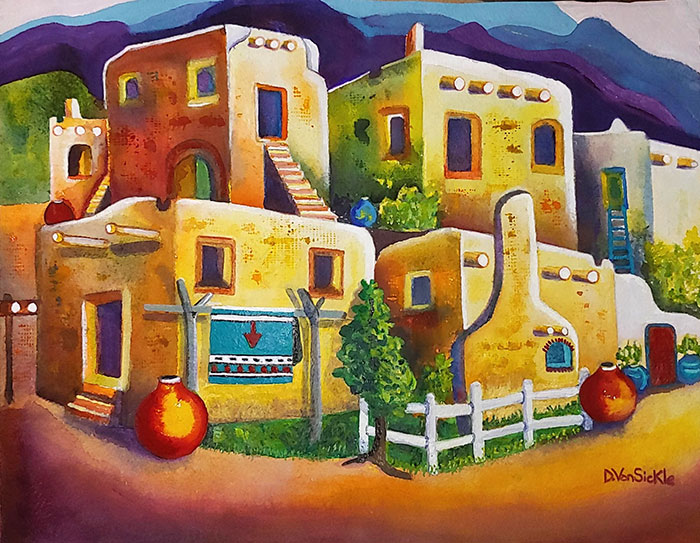
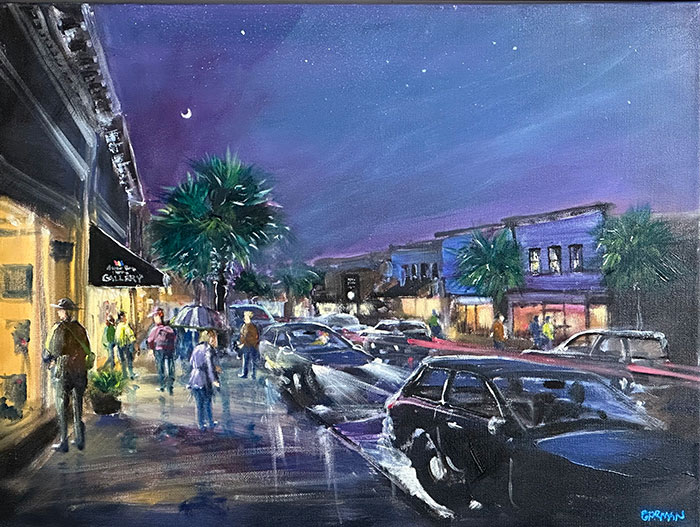
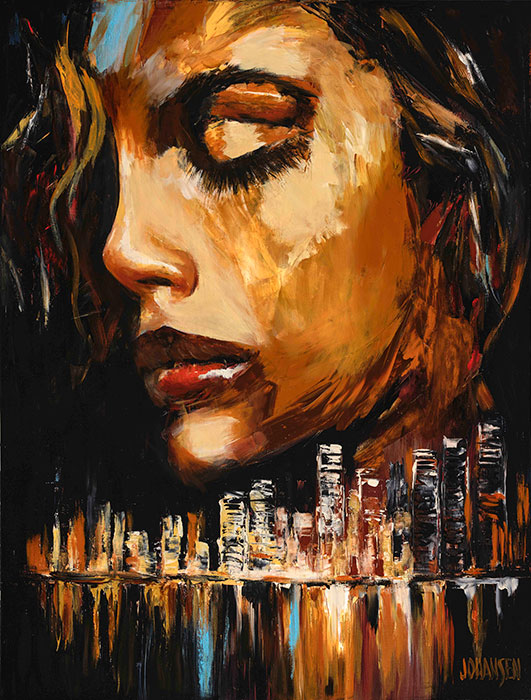
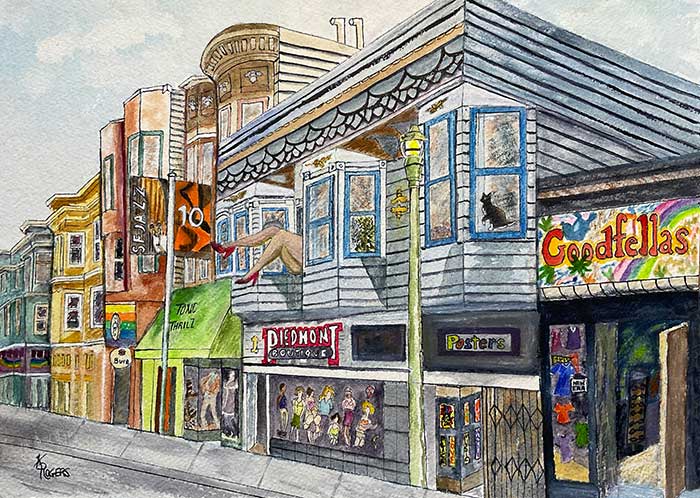
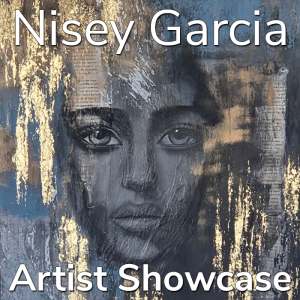
 Light Space & Time Online Art Gallery is extremely pleased to announce that Nisey Garcia has been named as the Gallery’s new featured artist and she will now be promoted by the gallery for the next 14 days in the gallery’s Artist Showcase.
Nisey is an award-winning artist based in Nevada, USA. She was selected as 1 of the top twelve finalists in the gallery’s 34th Solo Art Exhibition Series. The placement in this competition qualified her work to be showcased in this feature.
Her Artist Showcase feature will be promoted to hundreds of major news outlets. In addition, the gallery will also be featuring and promoting her artwork in the gallery’s various social media networks for further exposure.
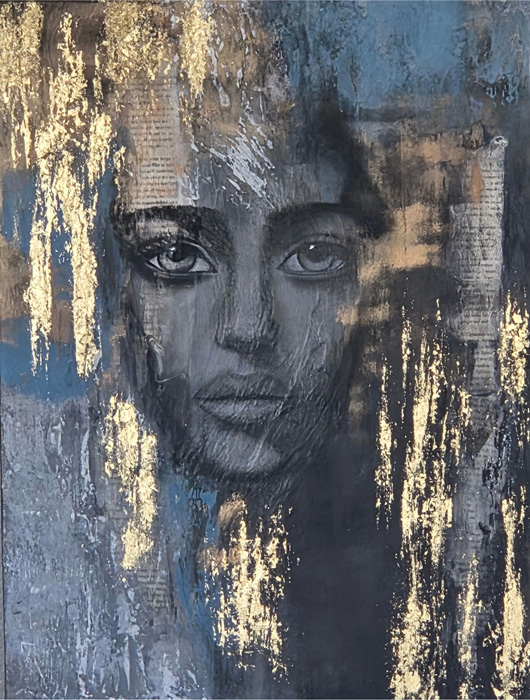
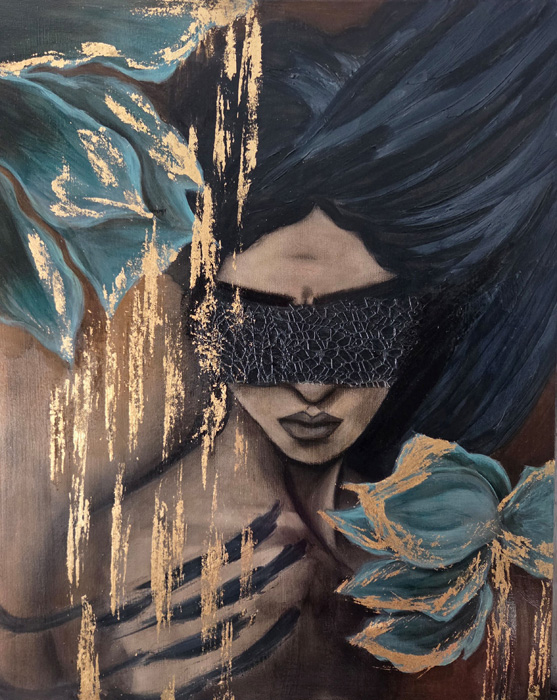
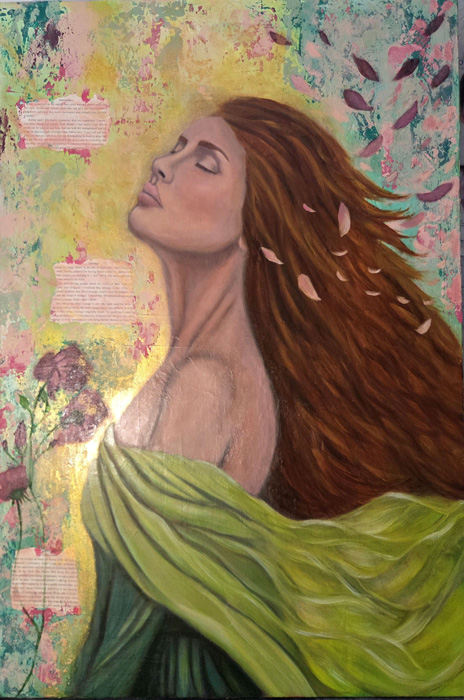
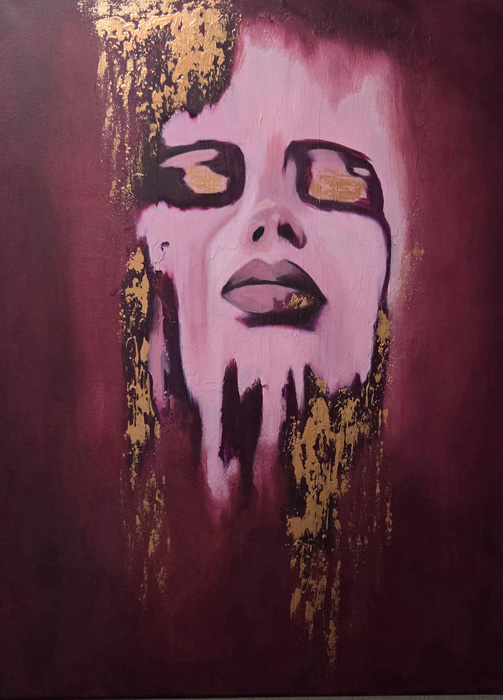
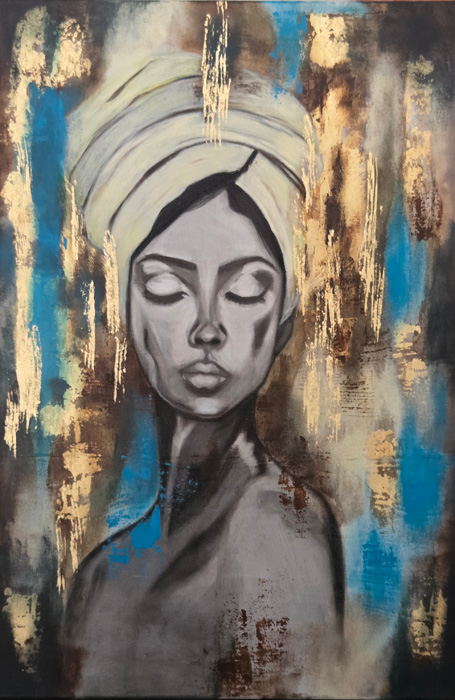
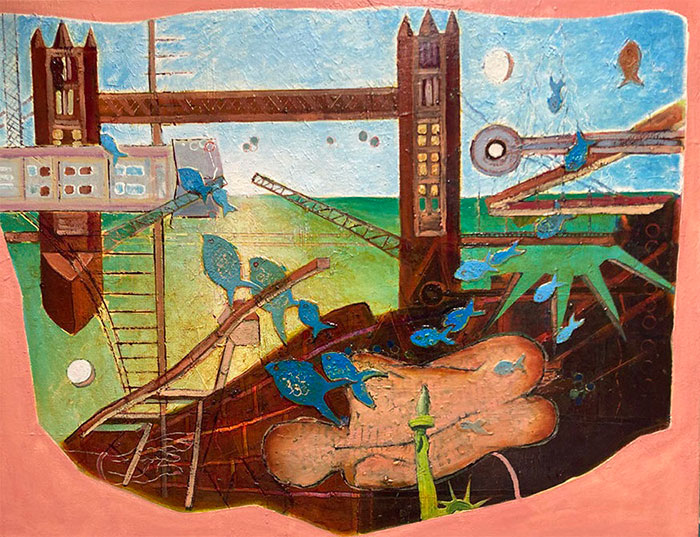
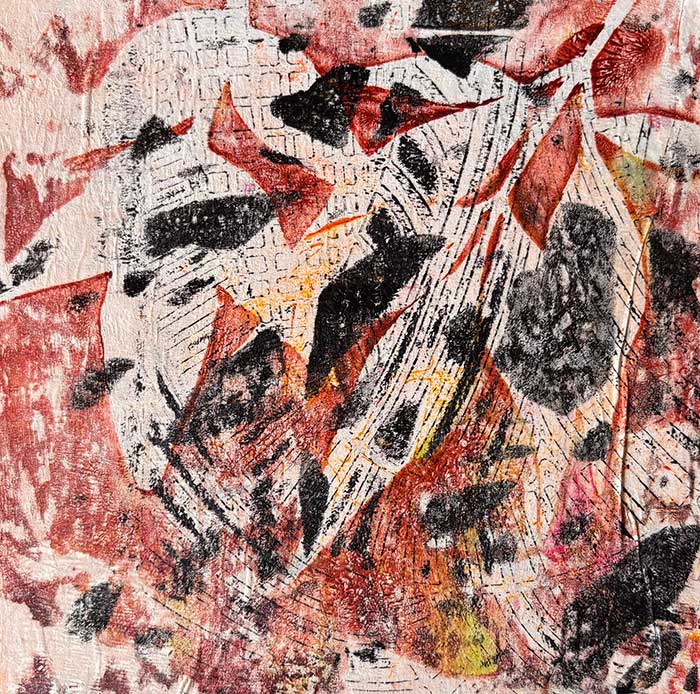
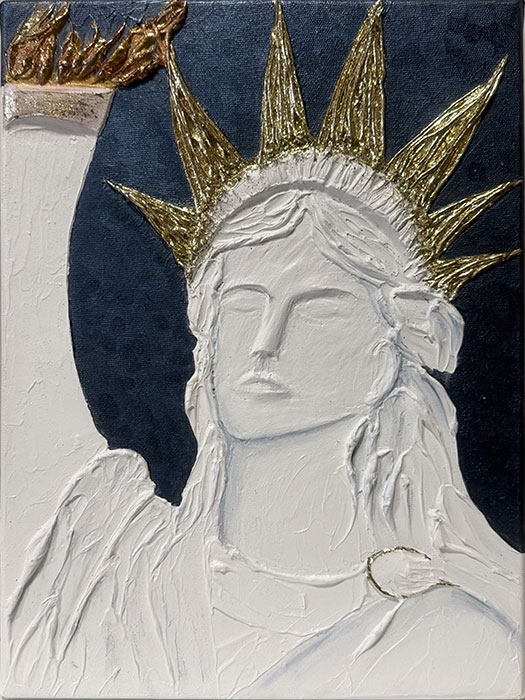
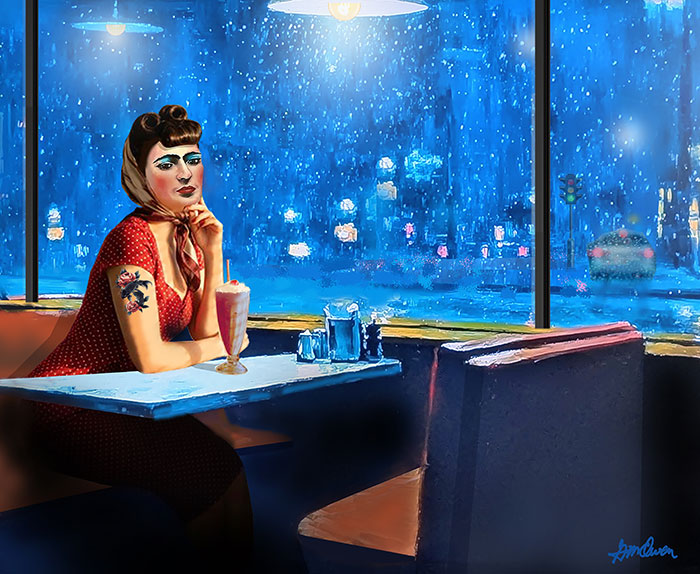
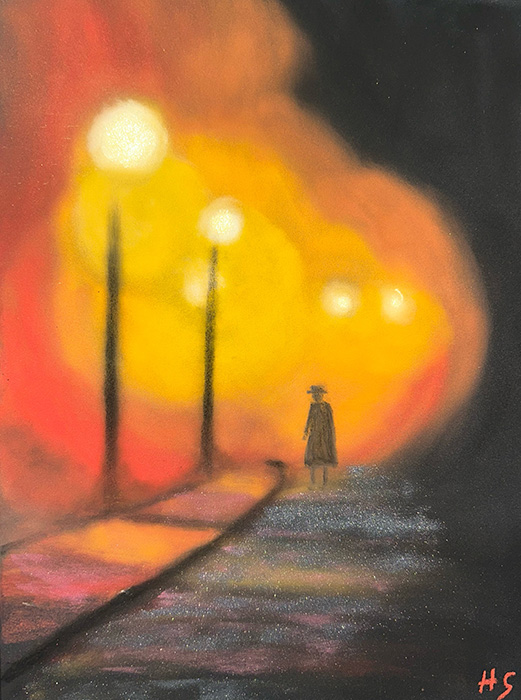
Below are Nisey’s Artist Biography, Artist Statement and 5 of her mixed media artwork submitted to this competition.
Nisey Garcia is a Las Vegas-based visual artist working primarily in oil, acrylic, charcoal, texture, and mixed media. Her artistic practice centers on expressive portraiture and figurative work, often incorporating organic elements, symbolism, and layered textures.
Garcia has exhibited her work throughout Southern Nevada with organizations including the Boulder City Art Guild, Las Vegas Artists’ Guild, and City of the World Art Gallery. Her work has also been exhibited through the Las Vegas-Clark County Library District. In 2026, her painting Echoes of Her Memory received the Mayor’s Choice Award at the City Light Art Gallery Spring Juried Show. She was also selected as a Spotlight NV recipient, with support from the Nevada Arts Council.
Committed to continuing her artistic development, Garcia has studied oil painting and drawing through the Milan Art Institute and is currently enrolled in Evolve, a year-long art education program co-created by artist Kevin Murphy.
Through exhibitions, education, and her independent studio practice, Garcia continues to develop a body of work that reflects her interest in portraiture, storytelling, and the emotional experiences that connect us.
My work explores human emotion, transformation, femininity, and inner resilience through oil painting, texture, symbolism, and mixed media. Rooted in themes of personal growth and emotional reflection, I combine expressive portraiture, organic elements, and layered textures to create pieces that invite connection and introspection.
Through my art, I seek to capture the complexity of our inner lives—the moments of vulnerability, strength, change, and self-discovery that shape who we become.
To see more of Nisey’s work, visit her website.
Click the Thumbnail to See the Artwork in a Lightbox
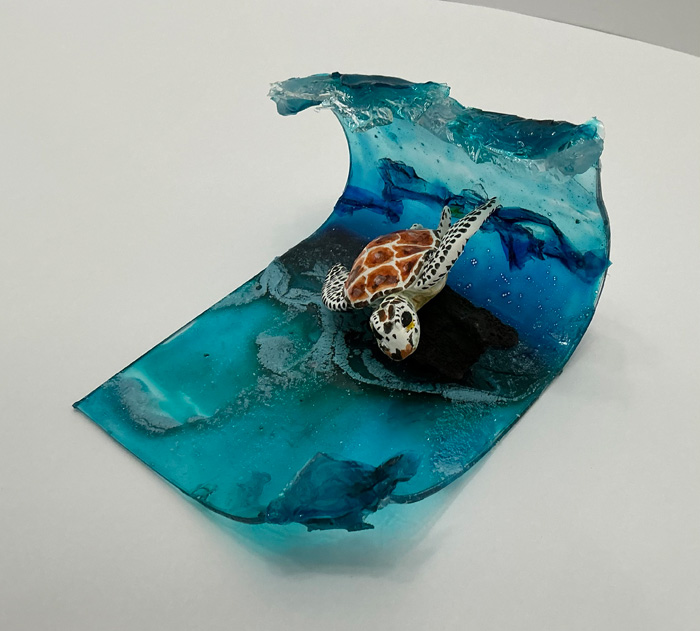
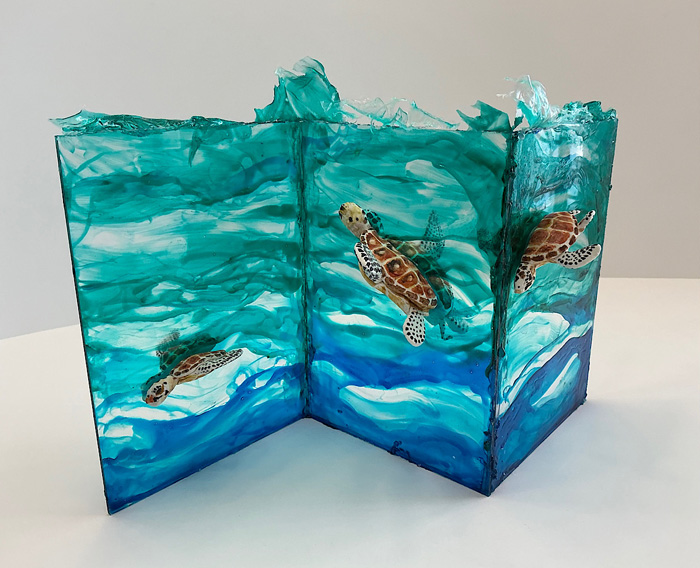
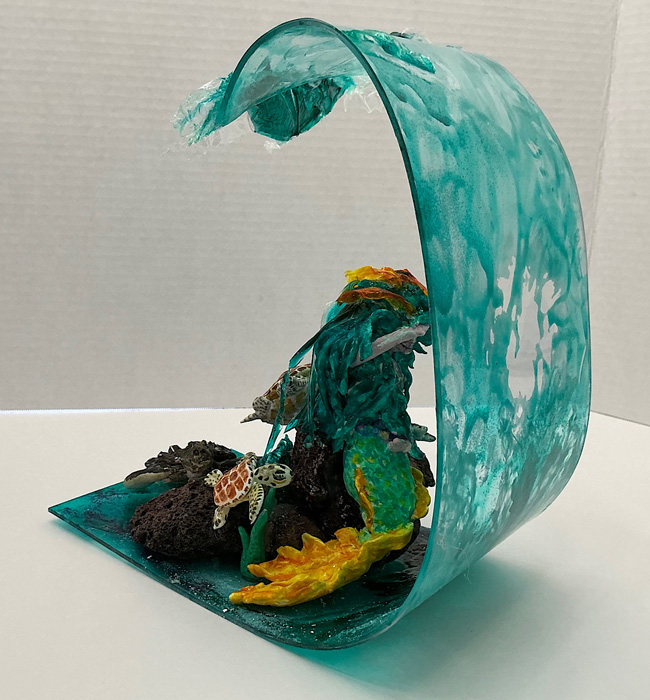
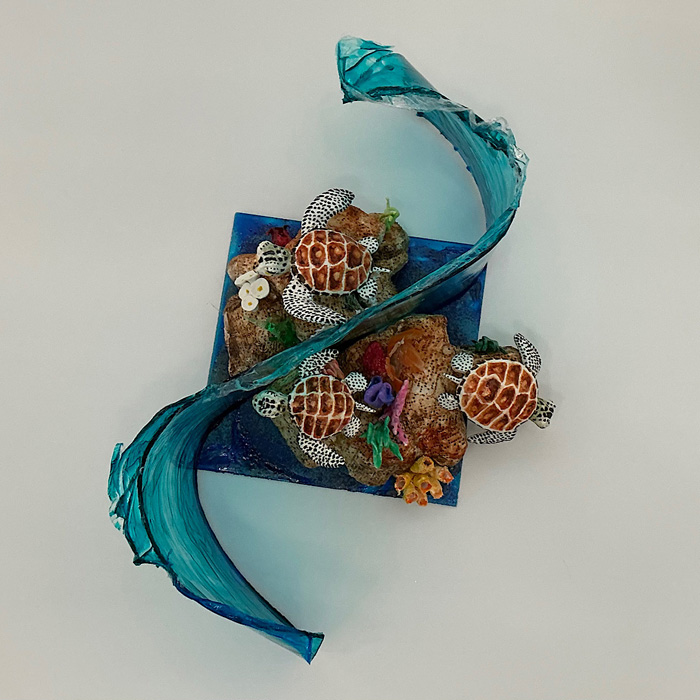
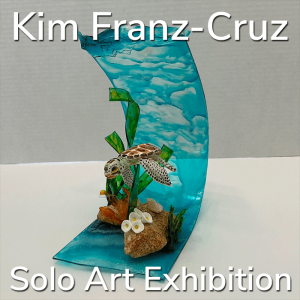 Light Space & Time Online Art Gallery is very pleased to announce that Kim Franz-Cruz has been selected as one of the four winning artists of the gallery’s recent 34th “Solo Art Series” Art Competition. Kim will now have a month-long solo art exhibition, and she will be featured on the gallery’s front page, on the Gallery’s YouTube Channel, as well as in the “Solo Art Series” Archive.
Kim Franz-Cruz is an award-winning sculptor based in Missouri, USA. She will now be promoted by the gallery with an extensive public relations campaign.
For this solo exhibition, the gallery will distribute, promote, and circulate press releases to hundreds of major news outlets. The Gallery will also provide social media distribution through LST’s broad social media network.
Kim’s sculptures will also be featured on the gallery’s YouTube Channel, and with an event postcard.
The “Solo Art Series” is a series of monthly solo art exhibitions for established artists who have a body of work to present to the public. Artist participants were asked to submit the following 3 components for the “Solo Art Series” competition: 1. Their art. 2. Their artist biography. 3. Their artist statement. These elements were evaluated and judged, resulting in the selection of the artists who will be featured in individual month-long solo art exhibitions.
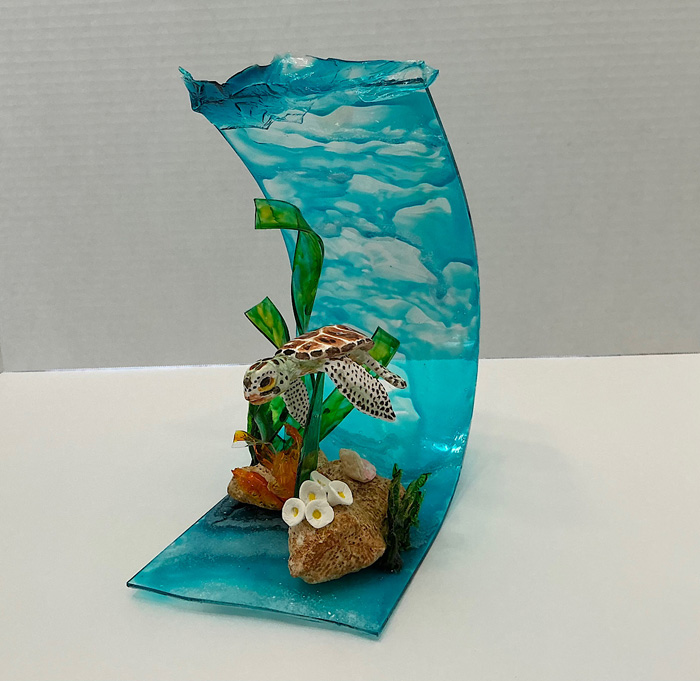
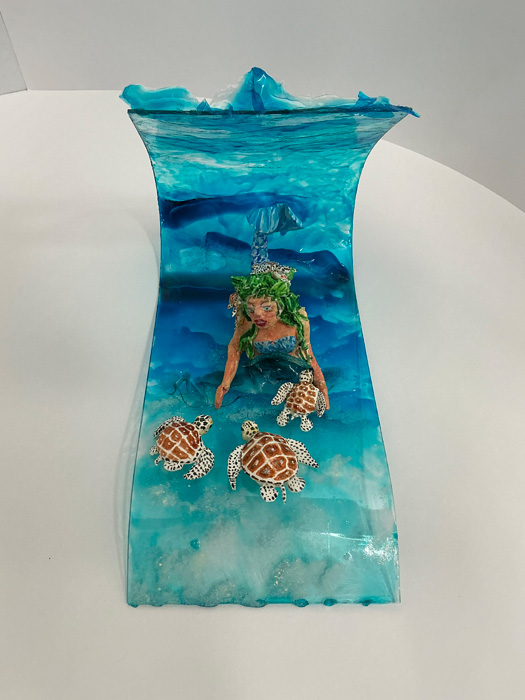
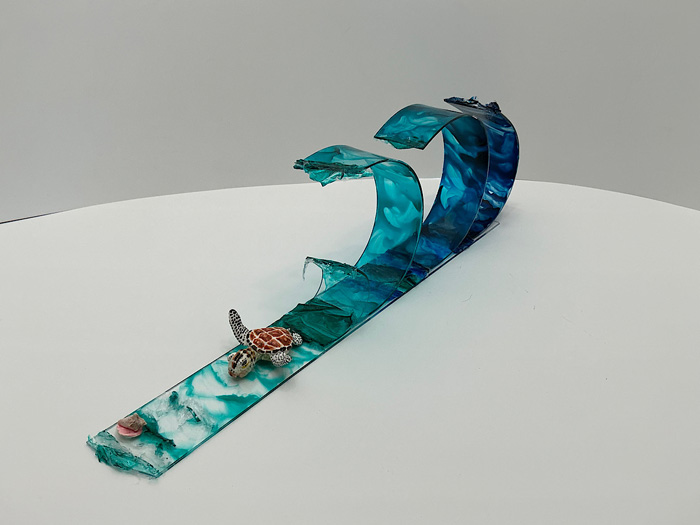
Below are Kim’s Artist Biography and her Artist Statement, along with 15 of her sculptures. We hope that you will take the time to read her information and to take a look at her artwork.
Kim Franz-Cruz obtained a BFA in both sculpture and painting. She worked commercially in the design and printing field. She designed work for several companies including Woolrich, Lee Jeans, Health-Tex, Real Kids, and Cross Stitch by Cronar. Her paintings and sculptures have been exhibited in private galleries including Art Saint Louis and Soulard Art Gallery as well as on line galleries including Fusion Art, Light Space & Time, Grey Cube, and Art Room Gallery.
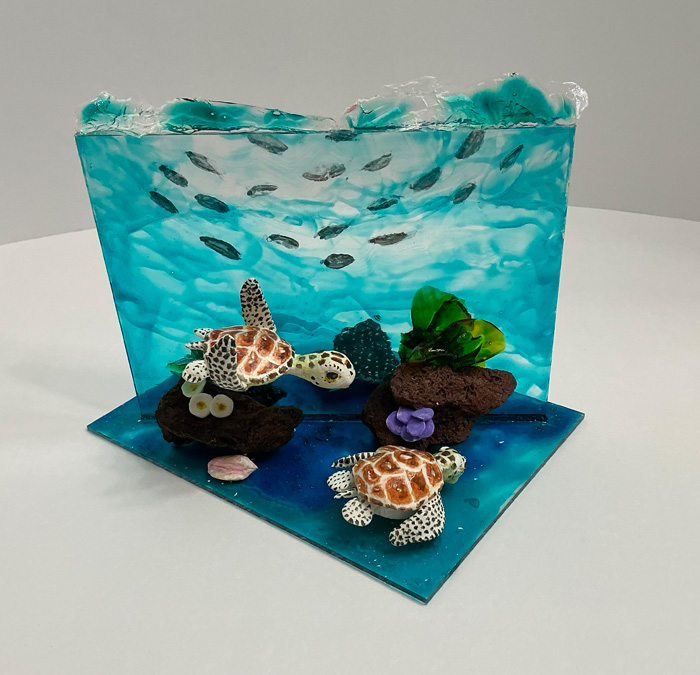
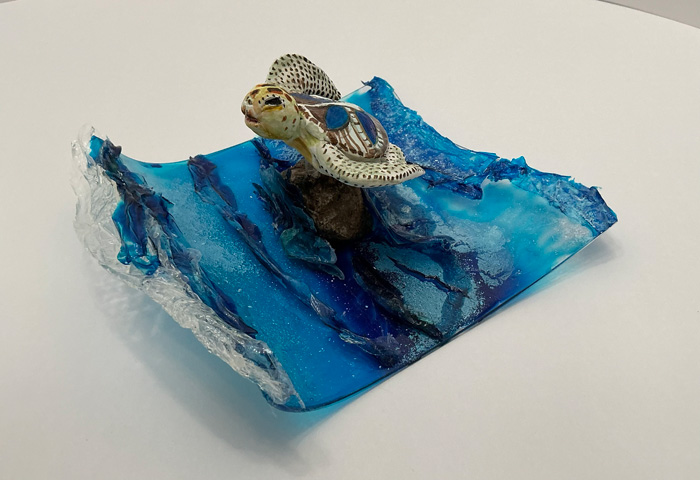
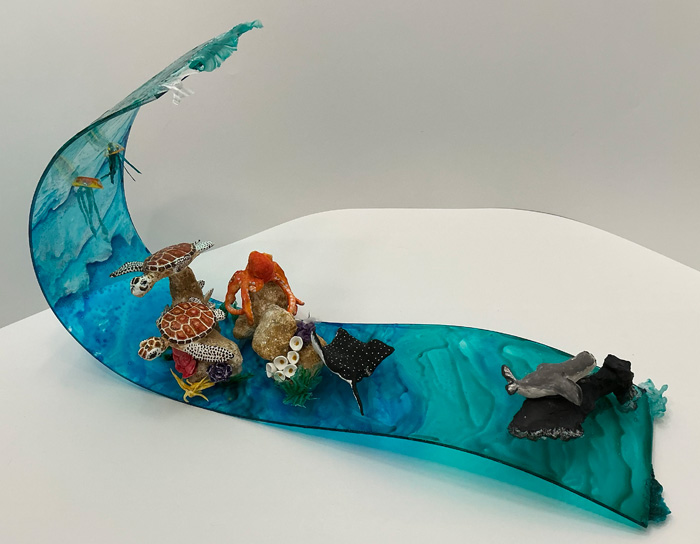
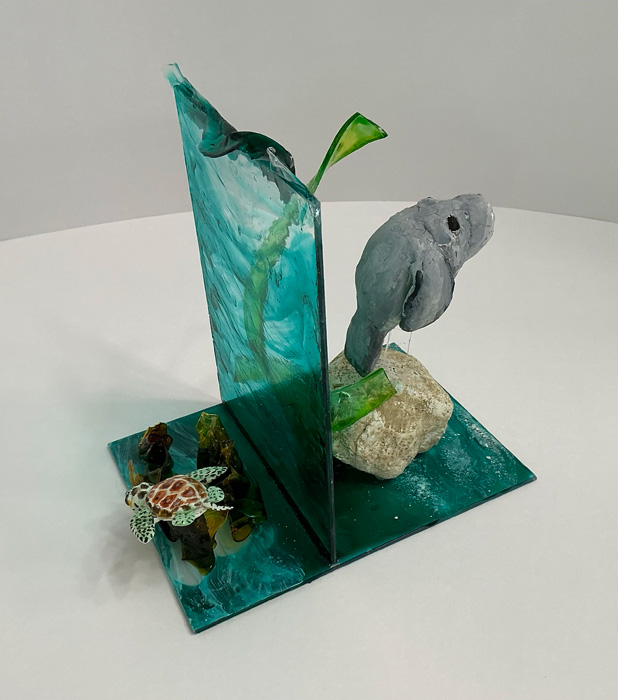
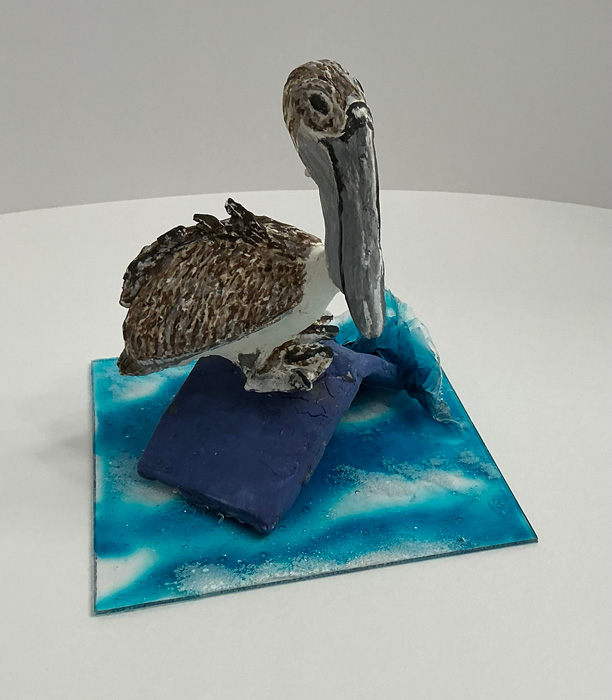
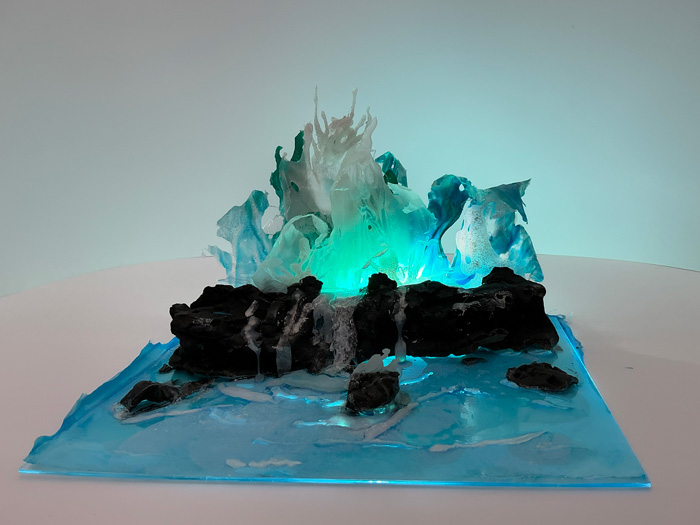
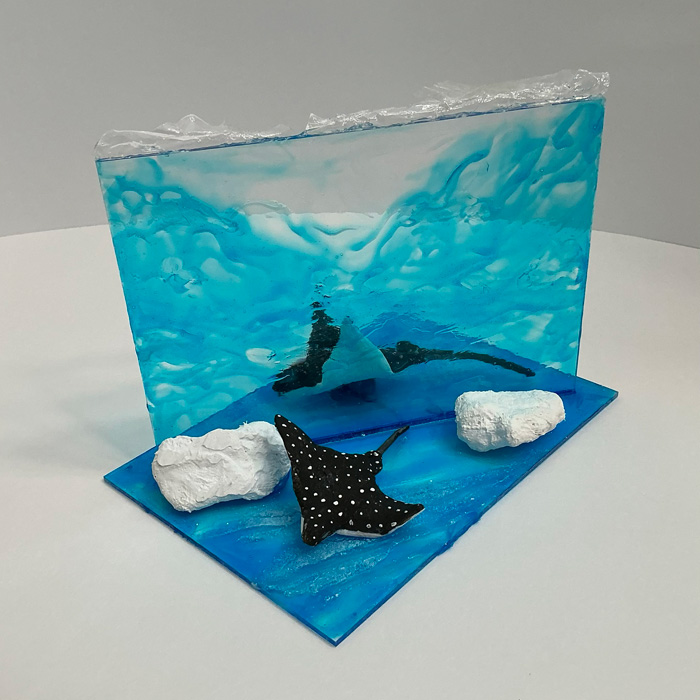
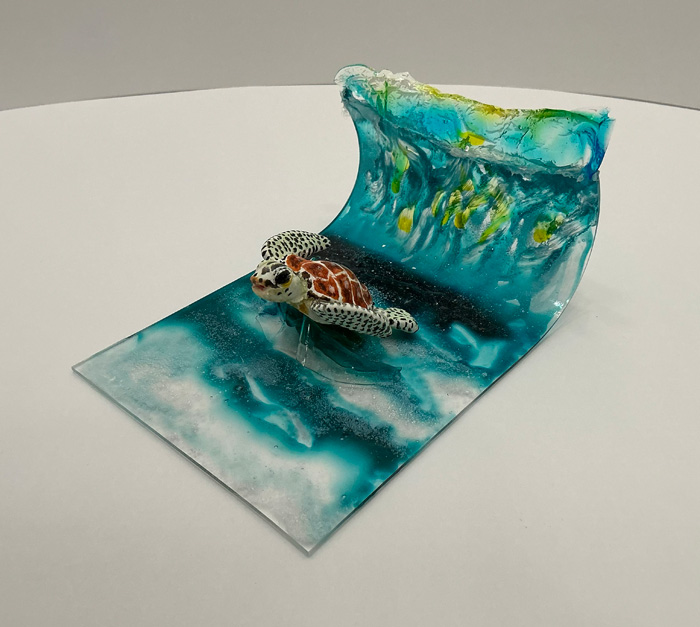
Each sculpture created reflects respect for ocean life and giving back to that which has provided not only for ourselves but for our ancestors as well. To view the ocean in its cleanest and most pristine state is to allow the natural beauty to come forward. It is our responsibility, as people, to care and give more than we take. The power of the ocean is eternal.
The use of vibrant colors and clear forms creates the illusion of the water’s movement. The reef forms and sculpted ocean life create a world beneath the surface we never see. For if you see it, you have become an invasive part of the natural habitat. Therefore, we can only imagine what we are unable to see.
The profits from these sculptures are used as donations for the conservation and rehabilitation of sea turtles.
The sculptures capture a moment in time created by the ocean, ever changing with constant movement and an abundance of life. Each piece is formed by heating and hand shaping acrylic to represent the water and hand forming clay for the individual life forms. The reef backgrounds are a combination of both clay and acrylic. All pieces are meticulously hand painted in great detail.
I grew up on the ocean. Its tidal rhythms are as my breath, continuous and calm. I hope to evoke in the viewers of my work a connection which brings peace and wonder at the brilliant vibrant world that thrives below us. No need to hold your breath. Just enjoy.
To see more of Kim’s work, visit her website.
Click the Thumbnail to See the Artwork in a Lightbox
 Light Space & Time Online Art Gallery announces their 16th Annual “Nature” Online Art Competition. 2D and 3D artists from around the world are called upon to make online submissions for possible inclusion into the Gallery’s December 2026 online group exhibition.
The “Nature” theme is the artist’s interpretation and depiction of nature art. Nature subjects include geographical subjects, landscapes, natural objects, wildlife and natural environments.
Artists should submit their best work in any media before the deadline of October 30, 2026.
Here is a link to the “Nature” 2025 Online Art Exhibition in order to help artists see what type of art was accepted in the past. Please review our article post which explains the Judging Criteria for Our Juried Art Competitions in order to help you as a guide with your entry submissions.
From September 15th to October 15th, we'll be traveling through Europe exploring art in person after 8 years without a real break - so we're adjusting our schedule accordingly. The submission deadline for the 16th Annual "Nature" Online Art Competition is moving from our usual 27th to October 30, 2026, and the exhibition opening will shift to November 5th. To balance out the later opening, the exhibition will run for an extra month on the website, giving your work more time on display.
| Art Competition Opens | July 6, 2026 | |
| Early Registration & Lower Fees End | August 01, 2026 | |
| Deadline for Receiving Entries | October 30, 2026 | |
| Results Emailed to Artists & Posted | November 05, 2026 | |
| Art Exhibition Opens | November 05, 2026 | |
| Online Art Exhibition Closes & Archived | December 31, 2026 |
Artists provide us with your best representative and/or abstract art before the deadline.

We are listed on Photo Contest GURU – Photography Competitions Directory
We're listed on Photocompete - Open Photo Contests
 Light Space & Time Online Art Gallery announces its 16th Annual “Open” (No Theme) Online Art Competition. 2D and 3D artists from around the world are called upon to make online submissions for possible inclusion into the Gallery’s December 2026 online group exhibition.
There is no theme for this art competition so any subject matter and any media are acceptable for consideration.
Artists should submit their best representational and/or abstract work before the deadline of November 27, 2026.
Here is a link to the “Open” (No Theme) 2024 Online Art Exhibition in order to help artists see what type of art was accepted in the past. Please review our article post which explains the Judging Criteria for Our Juried Art Competitions in order to help you as a guide with your entry submissions.
| Art Competition Opens | August 29, 2026 | |
| Early Registration & Lower Fees End | October 01, 2026 | |
| Deadline for Receiving Entries | November 27, 2026 | |
| Results Emailed to Artists & Posted | December 01, 2026 | |
| Art Exhibition Opens | December 01, 2026 | |
| Online Art Exhibition Closes & Archived | December 31, 2026 |
Artists provide us with your best representative and abstract art (any subject matter and any media) before the deadline.
We are listed on Photo Contest GURU – Photography Competitions Directory
We're listed on Photocompete - Open Photo Contests
 Light Space & Time Online Art Gallery announces the 2026 “Winter 5 for $10” Online Art Competition.
For this competition, all artists from around the world are called upon to make online submissions for possible inclusion into the Gallery’s “Winter 5 for $10” online group art exhibition.
Artists can enter up to 5 entries, for $10.00 and the gallery will choose 12 overall winning artists from those who entered. A special online exhibition will be held on the Light Space & Time website from December 20, 2026 through March 20, 2027.
This is an “Open” (No Theme) art online competition and the gallery invites 2D and 3D artists (including photography & digital arts), regardless of where they reside, to apply to this competition by submitting their best representational and/or abstract art.
The artwork for this competition does not need to be “Winter” themed. Any subject matter and any media are acceptable for consideration.
Here is a link to the “Winter 5 for $10” 2024 Online Art Exhibition in order to help artists see what type of art was accepted in the past. Please review our article post which explains the Judging Criteria for Our Juried Art Competitions in order to help you as a guide with your entry submissions.
| Art Competition Opens | August 28, 2026 | |
| Deadline for Receiving Entries | December 15, 2026 | |
| Results Emailed to Artists & Posted | December 20, 2026 | |
| Art Exhibition Opens | December 20, 2026 | |
| Online Art Exhibition Closes & Archived | March 20, 2027 |
Winning artists (12 Overall Category Artists) of the 2026 “Winter 5 for $10” Art Exhibition will be promoted extensively by the gallery in the following manner:
Artists provide us with your best representative and/or abstract art before the deadline of December 15, 2026.
We are listed on Photo Contest GURU – Photography Competitions Directory
We're listed on Photocompete - Open Photo Contests
 Light Space & Time Online Art Gallery announces its 17th Annual “Botanicals” Online Art Competition. 2D and 3D artists from around the world are called upon to make online submissions for possible inclusion into the Gallery’s January 2027 online group exhibition.
The gallery invites artists (including photography & digital art), regardless of where they reside, to apply to this competition by submitting their best botanical and/or floral art. Botanical subjects will include flowers, herbs, fruit, leaves, plants and related botanical and floral subjects.
Artists should submit their representational and/or abstract best work in any media before the deadline of December 28, 2026.
Here is a link to the “Botanicals” 2026 Online Art Exhibition in order to help artists see what type of art was accepted in the past. Please review our article post which explains the Judging Criteria for Our Juried Art Competitions in order to help you as a guide with your entry submissions.
| Art Competition Opens | September 6, 2026 | |
| Early Registration & Lower Fees End | October 01, 2026 | |
| Deadline for Receiving Entries | December 28, 2026 | |
| Results Emailed to Artists & Posted | January 01, 2027 | |
| Art Exhibition Opens | January 01, 2027 | |
| Online Art Exhibition Closes & Archived | January 31, 2027 |
Artists provide us with your best representative and/or abstract botanical and floral art before the deadline.
We are listed on Photo Contest GURU – Photography Competitions Directory
We're listed on Photocompete - Open Photo Contests
 4 Solo Exhibitions & 8 Artist Showcases will be Awarded
Light Space & Time Online Art Gallery announces its 35th “Solo Art Series” Online Art Competition. The gallery will judge the Top 12 artists who have the most complete “Body of Work” to show. From that group of 12 artists, the gallery will award 4 monthly Solo Art Exhibitions and the next 8 artists will be featured in the gallery’s Artist Showcase Section.
The first of the four Solo Art Exhibitions will begin on January 15, 2027, and each solo exhibition will run for approximately 30 days through May 14, 2027. The Artist Showcase features will also begin on January 15, 2027, with one of the 8 artists being shown on the 1st and 15th of each month. The Artist Showcase content will be the artist's Solo Art Series entry package.
Amateur or professional 2D & 3D artists (including photography and digital art), worldwide, with or without prior group or solo art exhibition experience, are encouraged to submit their best abstract and/or representational art.
There is No Theme for this “Solo Art Series” Competition so any subject matter and any media are acceptable for consideration.
The competitive process will encompass not only the quality and depth of the artist’s artwork but will also include an evaluation of the overall presentation of the artist’s biography and artist’s statement as included in the entry package. The requirement of a complete entry package creates an opportunity for the artist to craft and/or to polish their current artist statement and artist biography.
For guidance as to the type and quality of art that was featured in prior shows, view our prior shows at Solo Art Series Exhibition Archives. The Light Space & Time Online Art Gallery Website also contains several “How To” articles to assist artists with their entry preparation and entry materials (See Our Helpful Articles Below).
How to Write an Effective Artist’s Biography
How to Write the Perfect Artist’s Statement
Comparing an Artist’s CV with an Artist’s Biography
Do You Have a Body of Artwork to Show? – Part 1.
Do You Have a Body of Artwork to Show? – Part 2.
| Solo Art Series Competition Opens | October 1, 2026 | |
| Deadline for Receiving Entries | January 05, 2027 | |
| Results Emailed to Artists & Posted | January 12, 2027 | |
| First Solo Art Exhibition Opens | January 15, 2027 | |
| First Artist Showcase Feature Opens | January 15, 2027 |
The exhibitions and winning artists will be marketed and promoted to an international audience extensively through the gallery's website, in hundreds of online press release announcements, email marketing campaigns to over 35,000+ subscribers, gallery directors, art collectors, art consultants and art professionals, in online event calendars, through art news websites and through our extensive and growing social media network. Those who subscribe to our newsletter bulletins include gallery owners, corporate art representatives, art collectors, and decision makers in the fine arts field. Winning solo artists also receive a digital Award Certificate, Event Postcard, and Press Release for their art portfolio.
By having their work on the LST website, winning artists should increase exposure to their work, enhance their professional resume and create a high-quality backlink to their own website.
Artists may only be selected for a solo art exhibition once in a 12-month period. After 12 months, artists may again apply for a solo art exhibition, but only with different body of work. Artists may qualify and be selected for an Artist Showcase more than once per year, but also only with a different body of work.
Any art that was previously entered and shown on the Light Space & Time website may also be entered for the Solo Art Series.
We are listed on Photo Contest GURU – Photography Competitions Directory
We're listed on Photocompete - Open Photo Contests
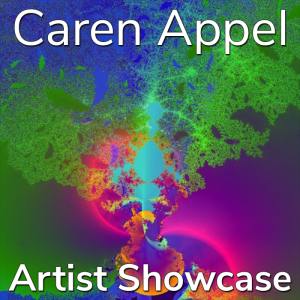 Light Space & Time Online Art Gallery is extremely pleased to announce that Caren Appel has been named as the Gallery’s new featured artist and she will now be promoted by the gallery for the next 14 days in the gallery’s Artist Showcase.
Caren is an award-winning artist based in Maryland, USA. She was selected as 1 of the top twelve finalists in the gallery’s 34th Solo Art Exhibition Series. The placement in this competition qualified her work to be showcased in this feature.
Her Artist Showcase feature will be promoted to hundreds of major news outlets. In addition, the gallery will also be featuring and promoting her artwork in the gallery’s various social media networks for further exposure.
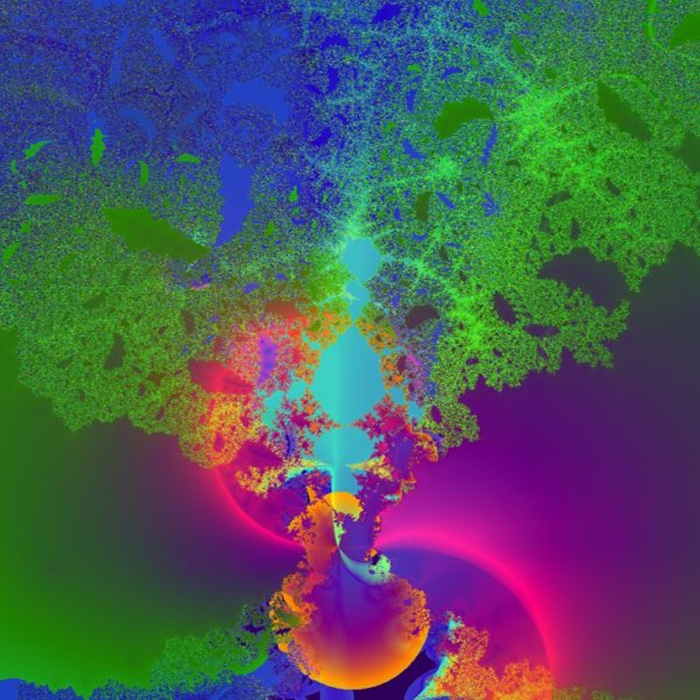
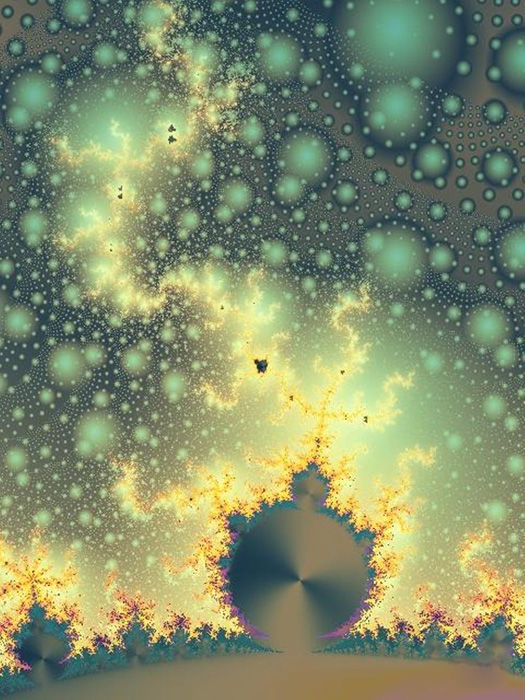
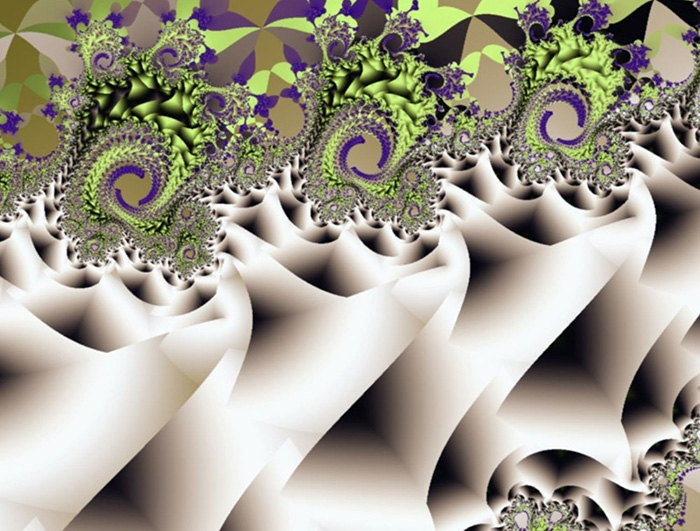
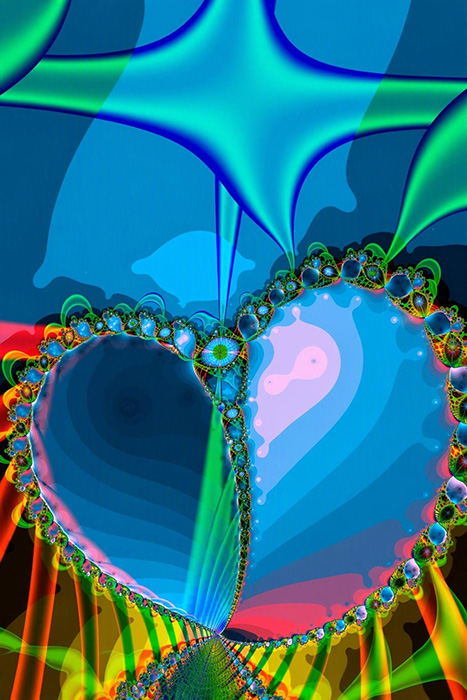
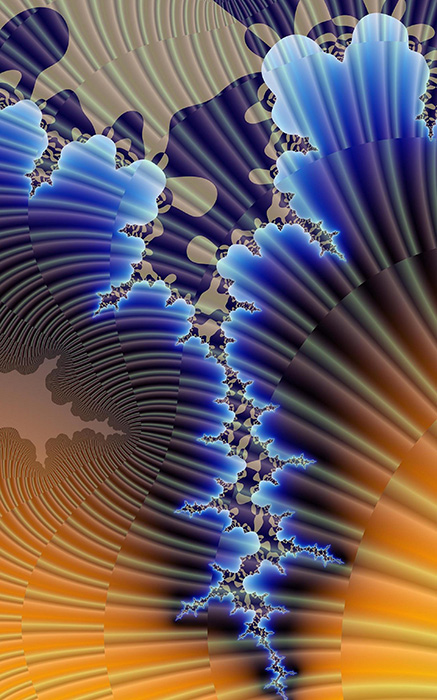
Below are Caren’s Artist Biography, Artist Statement and 5 of her fractal digital artworks submitted to this competition.
Caren Appel is a multi-faceted artist who has expressed across mediums and subject matter from the age of eight. In her artist explorations she discovered a passion for fractal imagery. Being an avid student of metaphysics, she became fascinated when she learned that fractals represent a hidden order of repetitive form in the universe. She has an extensive background as a metal sculptor who in some of her metal work has included a metaphysical theme.
She has also created handmade instruments such as the mountain dulcimer and the Native American Indian flute which she has sold at themed gift shops. She further enjoys painting with gouache and other mediums with a specialty in pet portraits and other animals. She also has run a craft show business, Anya Art for many years.
Caren actively gives back to the community by teaching art to the elderly bi-weekly at an assisted living community. She furthers her love of teaching at a local winery where she has taught how to make dream catchers, rain-sticks, and more soon to come.
She received the majority of her art education from Towson State University in Baltimore, Maryland and continued to pursue extensive coursework at the Maryland Institute College of Art (MICA).
Her fractals have been displayed at local coffee house shows and she has featured her work in local craft fairs.
We live in a universe of repetitive form from the microcosmic to the macrocosmic. When I learned about fractals, it lit my world up as I have long been a student of metaphysics and the interface between science and spirituality.
Fractal art is a visual expression of the cosmic universe. It utilizes principles of sacred geometry and is created from mathematical formulas of infinity. They are geometric patterns that repeat at every smaller or never-ending larger scales. You might say they are snapshots of infinity. These patterns show up with an identical ratio from the spiral of our Milky Way all the way down to the double helix of our DNA and in between in nature, such as the spiral in a nautilus shell. Our world is a living fractal, the entire universe is a fractal, and it is often said that when viewers gaze at fractal images, they get a feeling that they cannot describe with words.
So it is with enthusiasm, joy and a passionate connection to this subject, that I share my fractal art and invite you to your own unique personal experience with them.
To see more of Caren’s work, visit her website.
Click the Thumbnail to See the Artwork in a Lightbox
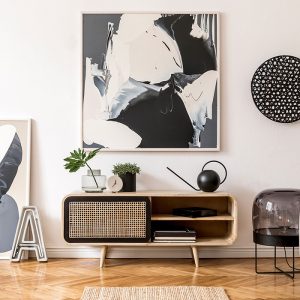 Large wall art succeeds when it feels connected to the room rather than added after the fact. Before considering color, subject matter, or artistic style, study the architecture that will surround the piece. Ceiling height, wall width, window placement, built-in cabinetry, fireplaces, and doorways all influence how large an artwork can comfortably become. A broad uninterrupted wall can support a commanding horizontal canvas, while a narrow wall between windows may call for a tall vertical work. Rooms with vaulted ceilings can absorb more visual scale than compact spaces with low ceilings and dense furniture arrangements. Treating the architecture as the first design constraint helps prevent a piece from appearing either insignificant or overpowering.
The shape of the wall is often as important as its square footage. A long wall above a sectional sofa usually benefits from artwork that emphasizes width, because the horizontal line reinforces the furniture below it. A tall wall beside a fireplace may look more balanced with an elongated vertical composition that draws the eye upward. Square artwork can be effective on contained walls where symmetry already plays a strong role, particularly between matching lamps, windows, or architectural details. In open-plan homes, a large artwork can also serve as a visual boundary that defines the living area without requiring a physical divider. That function makes wall art part of the room's architecture, even though it is technically decoration.
Negative space deserves equal attention because large artwork needs room around it to register clearly. Filling every available inch of a wall can make even an expensive piece feel crowded and visually restless. Leaving intentional space around the artwork creates separation from moldings, furniture, sconces, and nearby decorative objects. This breathing room becomes especially important in minimalist, contemporary, and formal interiors, where each element is expected to carry more visual responsibility. Traditional and eclectic rooms may tolerate closer layering, but the artwork should still have a recognizable boundary around it. The best starting point is therefore not asking how much wall can be covered, but how much art the room can support while retaining visual balance.
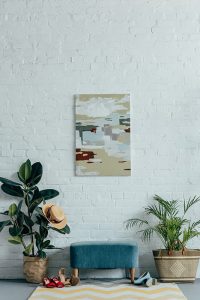
Scale is one of the most consequential decisions in choosing large living room art because furniture establishes the visual weight that artwork must answer. A substantial sofa placed beneath a small picture often makes the art seem accidental, regardless of its quality. As a practical guideline, artwork positioned above a sofa often looks most convincing when its width occupies roughly two-thirds to three-quarters of the furniture below it. That proportion is not an inflexible rule, but it provides a reliable reference when evaluating larger pieces. Oversized art can exceed that range when the design is deliberately dramatic, particularly in contemporary rooms with restrained furnishings. What matters most is that the artwork and furniture appear to belong to the same visual composition.
Once homeowners have a rough size and orientation in mind, the search becomes less about finding attractive art and more about identifying pieces that work at living-room scale. Browsing by dimensions, format, and placement can be more useful than starting with subject matter. Broad marketplaces can also make it easier to compare how materials and proportions affect a piece’s presence on a large wall. iCanvas, an online marketplace, offers ready-to-hang works from independent artists, licensed estates, and cultural institutions across canvas, fine art paper, acrylic glass, wood, and metal. When the main challenge is filling a generous stretch of wall without overwhelming the room, browsing its range of art in larger proportions can help clarify the options, while those furnishing a seating area can narrow the search to art suited to larger living-room walls. This approach keeps proportion and placement central while allowing style and imagery to guide the final selection naturally.
Measurements, however, are only part of the equation. The visual density of the furniture should also influence how substantial the artwork needs to feel. A low-profile cream sofa with slender legs presents less visual weight than a deep leather Chesterfield of identical width. The lighter sofa may pair comfortably with an airy abstract painting, while the heavier sofa may require stronger contrast or a more substantial composition to keep the wall from feeling weak. The same principle applies to coffee tables, bookcases, floor lamps, and side chairs that enter the field of view. When several heavy pieces occupy the lower half of the room, larger artwork can help distribute attention vertically and restore equilibrium. Successful scale is therefore both mathematical and perceptual, combining physical dimensions with the apparent weight of everything nearby.
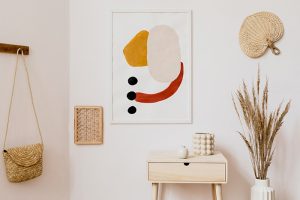 Let the Room's Design Language Guide the Subject
Subject matter has a powerful effect on whether large wall art looks integrated with a living room. A modern interior with clean lines and limited ornament often benefits from abstract work, architectural photography, geometric compositions, or restrained landscapes. Traditional rooms may respond well to botanical studies, portraiture, classical landscapes, or works that carry a sense of history and craftsmanship. Eclectic interiors have more freedom because contrast is often part of the intended character, although seemingly unrelated objects still need common threads. Coastal rooms, for example, do not require literal pictures of beaches, but they may benefit from atmospheric landscapes, soft photography, or abstract work inspired by water and sky. The objective is to support the room's design vocabulary without turning the artwork into a predictable illustration of the decorating theme.
Literal coordination can become a weakness when every decorative element repeats the same idea. A rustic living room filled with timber, woven materials, and natural colors does not necessarily need a painting of a barn or forest. A contemporary room does not automatically require black-and-white geometric abstraction simply because the furniture has sharp edges. More sophisticated interiors often use art to extend the room's emotional character rather than duplicate its objects. A warm minimalist room might gain depth from a muted figurative painting, while an industrial loft could benefit from a soft atmospheric piece that offsets concrete and steel. Thinking in terms of mood, rhythm, texture, and visual tension usually produces a more layered result than choosing art by theme alone.
The emotional tone of a large artwork deserves particular attention because scale magnifies its effect. A small unsettling image can be an intriguing accent, while the same imagery at six feet wide may dominate the emotional atmosphere of the entire room. Conversely, expansive landscapes, expressive abstracts, and quiet monochromatic works can give a living area a powerful sense of calm when reproduced at substantial scale. Consider how often the room is used, who uses it, and what the space is meant to encourage. A formal sitting room can accommodate a more intellectually challenging work than a family room designed primarily for everyday relaxation and conversation. Large art operates almost like background music for the eye, so its emotional register should be chosen with the same care as its dimensions.
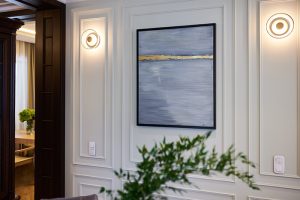
Color matching does not mean finding artwork that reproduces the exact colors of the sofa, rug, and curtains. That approach often creates interiors that feel overly coordinated and visually flat. Instead, large wall art can draw from one or two existing colors while introducing additional tones that make the palette more complex. A neutral living room might benefit from artwork containing warm rust, deep green, or muted blue, provided one of those shades connects naturally with an existing object in the space. Conversely, a colorful room may benefit from quieter artwork that gives the eye a place to rest. The strongest color relationships usually involve repetition, variation, and contrast rather than exact duplication.
Undertones become particularly important when the artwork occupies a large percentage of the visual field. Whites can lean warm, cool, gray, cream, or even slightly green, while ostensibly neutral browns and beiges can carry red, yellow, or gray undertones. A large print with icy blues may feel unexpectedly harsh beside warm ivory upholstery, even if both appear subdued when viewed separately. Similarly, an artwork dominated by warm ochre can make a cool gray wall look bluer than expected. Viewing samples or product images near the furniture and wall color can reveal these interactions before installation. Large art changes how adjacent colors are perceived, which makes undertone compatibility a practical design issue rather than a minor aesthetic detail.
Contrast can be used strategically when a room needs more definition. Light walls can provide an effective background for richly saturated artwork, while darker rooms may gain dimension from pieces with pale areas, reflective surfaces, or high tonal variation. In monochromatic spaces, artwork does not necessarily need to introduce a new hue because contrast can also come from value, texture, or line. A black-and-white photograph, for example, can provide strong visual structure in a beige room without disrupting its neutral palette. Colorful artwork can similarly function as the main source of energy in an otherwise restrained interior. The goal is to decide whether the art should reinforce the existing palette, expand it, or deliberately interrupt it.
The surface on which art is presented affects how the work interacts with the rest of the living room. Canvas tends to provide a softer, more tactile appearance, making it versatile across contemporary, transitional, rustic, coastal, and casual interiors. Fine art paper placed behind a frame can create a more structured presentation that works particularly well in traditional, Scandinavian, gallery-inspired, and modern spaces. Acrylic surfaces often create sharper color, greater visual depth, and a polished finish that can suit sleek contemporary rooms. Metal can reinforce industrial or modern interiors, especially when photographic or graphic imagery is involved. Wood-based art introduces texture and warmth, qualities that may complement organic modern, farmhouse, lodge, or nature-focused spaces.
Finish should also be considered in relation to the room's existing materials. A living room already filled with polished stone, glass tables, and metallic fixtures may not need another highly reflective surface. A textured canvas could provide useful softness and prevent the space from appearing too slick. In contrast, a room dominated by linen, unfinished timber, boucle, and other matte materials might benefit from an acrylic or metal piece that introduces subtle visual precision. Repetition can create cohesion, but variation is what keeps a sophisticated room from becoming monotonous. Good material selection therefore balances compatibility with enough contrast to give the artwork a distinct presence.
Frames can significantly alter the character of large art, particularly because their thickness becomes more noticeable as dimensions increase. Thin black frames can lend structure to contemporary photography, posters, and abstract prints without demanding excessive attention. Natural wood frames can soften modern artwork and establish connections with flooring, cabinetry, or furniture. Ornate frames may strengthen the historical or formal character of traditional interiors, but they should be proportional to both the artwork and surrounding furnishings. Frameless canvas presentations often create a cleaner, less architectural appearance, allowing the image itself to dominate. The frame is not merely an accessory around the art; it is part of the transition between the artwork and the room.
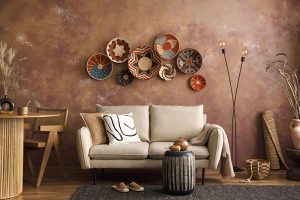
Placement is often discussed as a question of hanging height, but successful positioning requires looking at the complete seating arrangement. Artwork above a sofa should typically appear visually connected to the furniture rather than floating near the ceiling. A common mistake is leaving so much space between the sofa and artwork that they read as unrelated elements. In many rooms, placing the lower edge of the artwork roughly six to twelve inches above the sofa provides a useful starting range, although furniture height and artwork dimensions can justify adjustments. The center of the art does not always need to correspond with generic gallery-height recommendations if the piece is anchored to furniture. Residential placement works best when relationships between objects take priority over universal numbers.
Centering also requires judgment because the architectural center of a wall may differ from the visual center of a furniture grouping. If a sectional extends farther on one side, artwork centered on the wall can appear misaligned with the seating area. Likewise, a sofa positioned off-center because of a doorway or fireplace may require the art to follow the furniture rather than the room itself. Floor lamps, side tables, consoles, and adjacent chairs can shift the perceived center of the composition. Photographing the wall straight on can make these imbalances easier to identify than viewing the space while standing inside it. The correct position is the one that makes the group feel balanced as a whole.
Large art can also be positioned away from the sofa entirely, especially in living rooms with multiple focal points. An oversized piece on the wall opposite the seating area can create a destination for the eye and prevent the television from becoming the room's only dominant feature. Artwork beside a fireplace can help balance a chimney breast when there is enough uninterrupted wall space. In open-concept homes, a commanding artwork on a dining-adjacent or entry-facing wall may visually announce where the living room begins. These placements are particularly effective when the art can be seen from several parts of the home. Thinking about sightlines expands the role of large artwork from wall decoration to a tool for directing movement and attention.
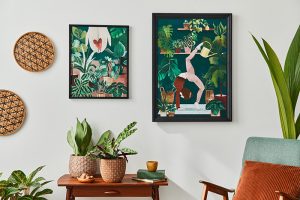 Adapt the Choice to Specific Interior Styles
Modern and contemporary living rooms generally reward clarity, scale, and restraint. Large abstract works, architectural photography, minimalist landscapes, and graphic compositions can reinforce the clean geometry commonly found in these spaces. A single substantial piece often works better than a crowded arrangement because it preserves the visual simplicity of the room. Yet contemporary does not have to mean cold, and textured paintings or organic forms can soften sharp furniture and hard architectural surfaces. Warm contemporary rooms increasingly mix simple silhouettes with natural materials, making atmospheric art and earthy palettes particularly effective. The common principle is confidence, with fewer pieces allowed to make stronger statements.
Traditional and transitional living rooms usually benefit from artwork that feels established without becoming overly formal. Landscapes, botanicals, portraiture, still lifes, maps, and historically influenced imagery can work well, especially when paired with appropriate frames. Transitional interiors can support more contemporary subjects because they already mix classic furniture proportions with cleaner modern details. The key is finding an artwork whose level of formality corresponds with the furnishings. A highly ornate gilt frame may look disconnected from a streamlined transitional sofa, while a simple dark frame can make traditional subject matter feel current. Large art is particularly useful in these rooms because it can bridge older and newer design elements through color, composition, and presentation.
Bohemian, eclectic, industrial, and organic interiors allow greater freedom, but they still benefit from deliberate editing. Bohemian rooms can support expressive color, figurative work, cultural motifs, and richly textured compositions, provided the artwork does not become lost among textiles and collected objects. Industrial spaces often provide ideal settings for very large photography, graphic prints, street-inspired work, or bold abstract pieces because brick and concrete can absorb significant visual weight. Organic modern rooms tend to favor natural forms, landscape imagery, muted abstraction, and earthy palettes that complement wood, stone, linen, and sculptural furniture. Eclectic interiors can combine almost any genre when there is a meaningful connection through color, scale, history, or personal significance. Freedom works best when the artwork looks consciously chosen rather than simply accumulated.
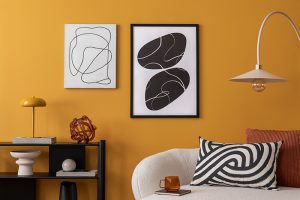
One of the most practical uses of large wall art is correcting a room that feels visually incomplete. Living rooms frequently carry most of their furniture weight in the lower half of the space, leaving a broad area of empty wall above sofas, consoles, and chairs. A sufficiently large artwork raises the visual center of gravity and makes the architecture feel more fully occupied. This is especially important in rooms with ceilings above the standard height, where conventional artwork can appear disproportionately small. Vertical compositions can emphasize height, while wide works can make narrow rooms feel more expansive. Art becomes a tool for adjusting perceived proportions without structural renovation.
Large artwork can also compete with architectural features that would otherwise dominate the room. A fireplace, television, broad window, or built-in shelving unit often attracts immediate attention because of its size. Placing substantial artwork elsewhere gives the eye a second major focal point, creating a more balanced visual hierarchy. This can be especially useful in rooms where the television occupies a prominent black rectangle when switched off. A large, expressive work on an adjacent or opposite wall gives the room an identity that is not centered exclusively on electronics. The result can feel more residential, intentional, and complete.
Asymmetrical rooms often benefit from this corrective effect as well. A living area may have a window on one side, an opening on another, and furniture arranged according to circulation rather than architectural symmetry. Trying to force perfect symmetry into such a room usually exposes the irregularities instead of solving them. Large art can establish a new visual anchor around which the rest of the furnishings appear organized. An intentionally off-center composition may even look more sophisticated when balanced by a tall floor lamp, plant, or sculptural chair. The aim is not to disguise the room's architecture, but to give uneven elements a convincing visual counterweight.
 Buy for Longevity Rather Than a Temporary Trend
Because large wall art commands attention and usually represents a more significant purchase than small decorative pieces, it should ideally survive more than one decorating cycle. Trend-driven imagery can look fresh when it appears repeatedly on social media, but ubiquity can quickly reduce its sense of individuality. Personal connection is a more durable criterion than popularity. An image associated with travel, nature, architecture, cultural interests, or a particular artistic movement is more likely to remain meaningful as furniture and accessories change. Strong artwork does not need to match every future sofa, but it should have enough visual complexity to coexist with more than one palette. Buying with a five-year perspective often leads to better decisions than decorating for the current season.
Versatility also matters when choosing dimensions and orientation. Extremely specialized shapes can be impressive in a particular location but difficult to relocate if the room is redesigned. A moderately wide landscape format may work above a sofa today and above a console or dining cabinet later. Large square pieces can be surprisingly flexible because they are not tied strongly to either vertical or horizontal architecture. Neutral frames and adaptable materials can further extend an artwork's usefulness through future changes in paint colors and furniture. Considering possible second locations before buying can help distinguish a lasting investment from a piece that solves only one temporary design problem.
The final decision should still make room for instinct because art is not merely a proportional exercise. Measurements, palettes, materials, and decorating styles help eliminate poor choices, but they cannot determine which image will continue to reward attention. Large artwork is encountered repeatedly, often every day, and that familiarity makes emotional durability important. A piece that creates curiosity, calm, pleasure, recognition, or even productive tension can become part of how a room is experienced over time. The strongest choice will satisfy both the practical demands of the living room and the personal standards of the people who occupy it. When those two considerations align, large wall art stops functioning as filler and becomes one of the defining elements of the home.
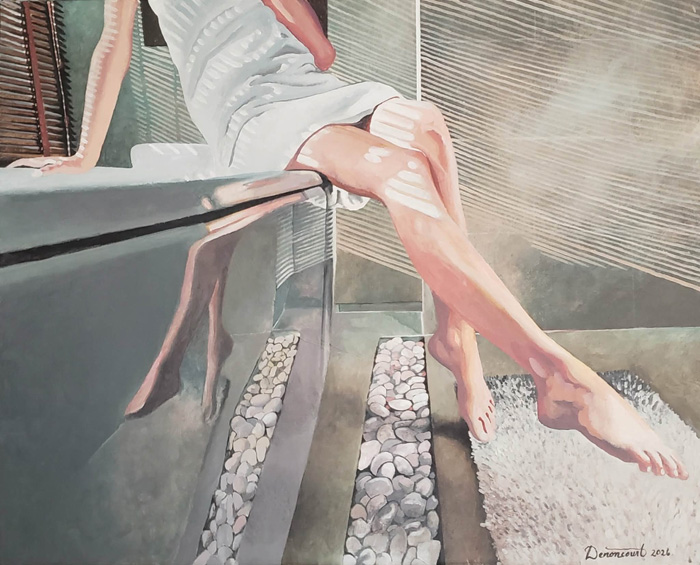
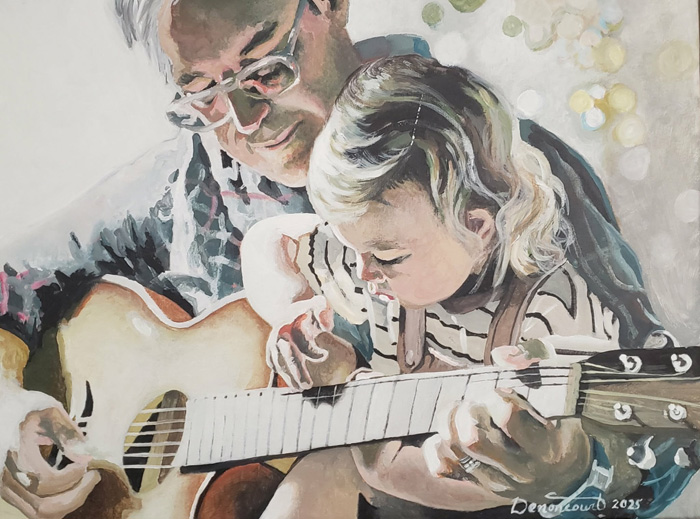
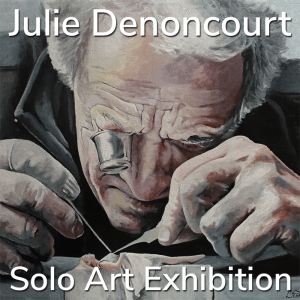 Light Space & Time Online Art Gallery is thrilled to announce that Julie Denoncourt has been named one of four winning artists in the gallery's 34th "Solo Art Series" Art Competition. Julie will receive a month-long solo exhibition and will be featured on the gallery's front page, its YouTube channel, and in the Solo Art Series Archive.
Julie is an award-winning artist based in Ontario, Canada, and the gallery will promote her exhibition through an extensive public relations campaign. This includes press releases sent out to hundreds of major news outlets, along with distribution across LST's social media channels. Her work will also appear on the gallery's YouTube channel and on an event postcard.
The Solo Art Series runs monthly, spotlighting established artists who already have a substantial body of work behind them. To enter, artists had to submit three things: their artwork, an artist biography, and an artist statement. These were reviewed and judged to select the artists who would each receive their own month-long solo exhibition.
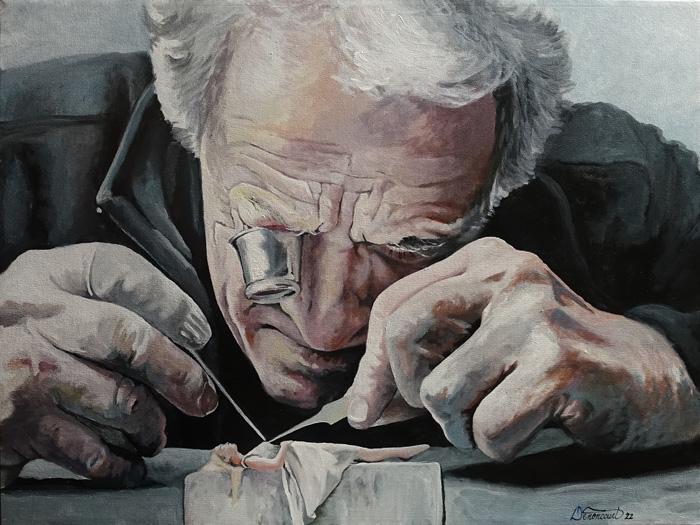
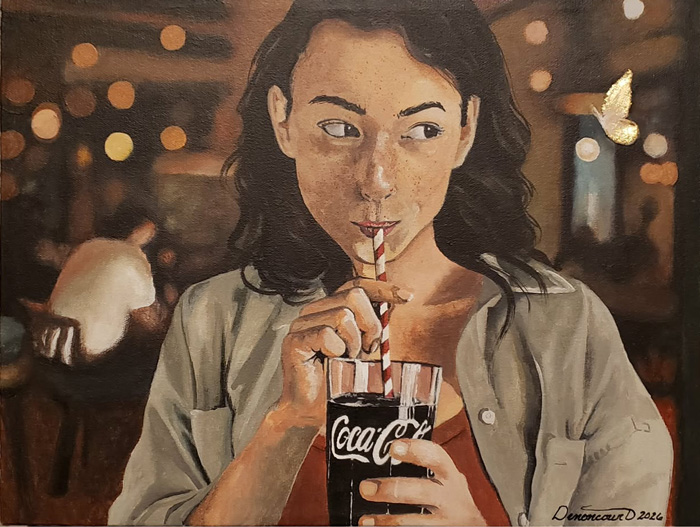
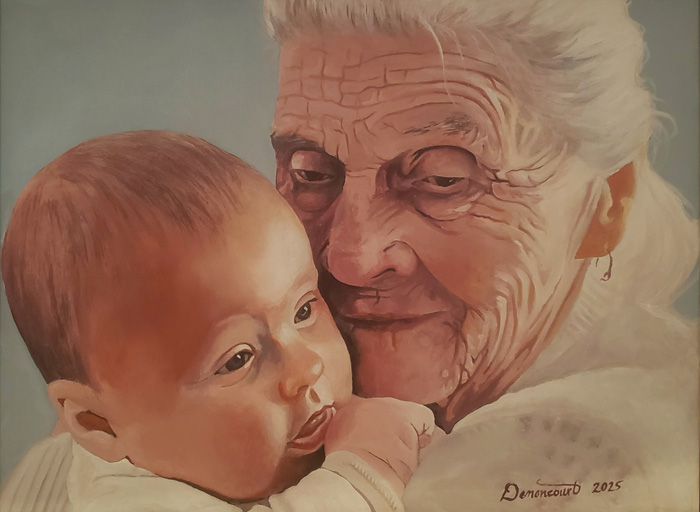
Below, you'll find Julie's artist biography and artist statement, along with five of her acrylic on canvas paintings. We invite you to read about her background and spend some time with her work.
Julie Denoncourt is a Gatineau‑based painter whose contemporary figurative practice centers on light, emotional presence, and the precision of gesture. An internationally awarded artist, she exhibits annually and pursues a pictorial exploration focused on the intimacy of bodies, the vibration of color, and the silent narratives carried by faces. Alongside her personal work, she teaches drawing and painting to youth and adults, maintaining a clear boundary between her artistic practice and her pedagogical approach. Her work investigates how textures, shadows, and fragments of everyday life reveal human depth.
My work explores the quiet, intimate spaces where human presence reveals itself through light, gesture, and emotional resonance. In my paintings, I focus on the subtle narratives carried by bodies and faces — those fleeting moments where vulnerability, strength, and interiority coexist. I am drawn to the tension between precision and softness, to the way textures, shadows, and fragments of daily life can expose something deeper about who we are. Through contemporary figurative painting, I seek to honor these moments of stillness and connection. Each piece becomes a way to slow down time, to observe the delicate choreography of relationships, and to reveal the depth that lies beneath the surface of the ordinary.
To see more of Julie’s work, visit her website.
Click the Thumbnail to See the Artwork in a Lightbox
 Light Space & Time Online Art Gallery is extremely pleased to announce that Anastasiia Yatsunenko has been named as the Gallery’s new featured artist and she will now be promoted by the gallery for the next 14 days in the gallery’s Artist Showcase.
Anastasiia is an award-winning artist based in Florida, USA. She was selected as 1 of the top twelve finalists in the gallery’s 34th Solo Art Exhibition Series. The placement in this competition qualified her work to be showcased in this feature.
Her Artist Showcase feature will be promoted to hundreds of major news outlets. In addition, the gallery will also be featuring and promoting her artwork in the gallery’s various social media networks for further exposure.
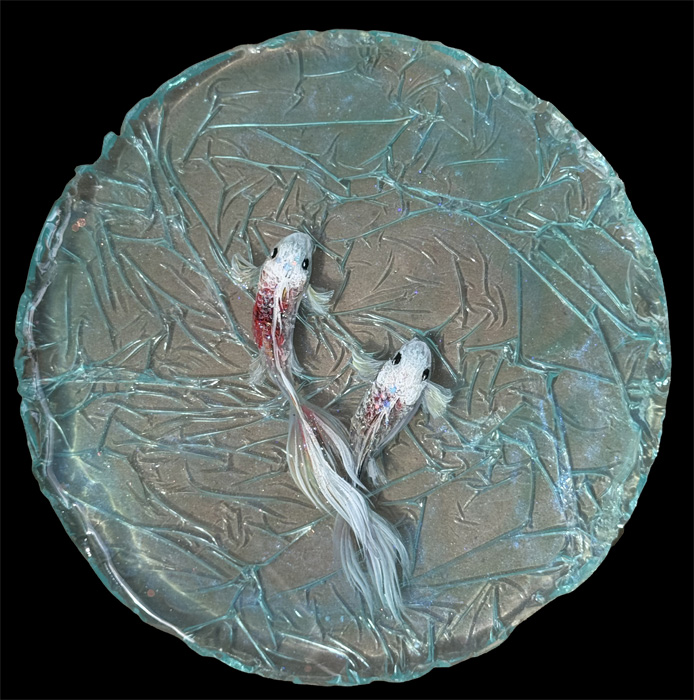
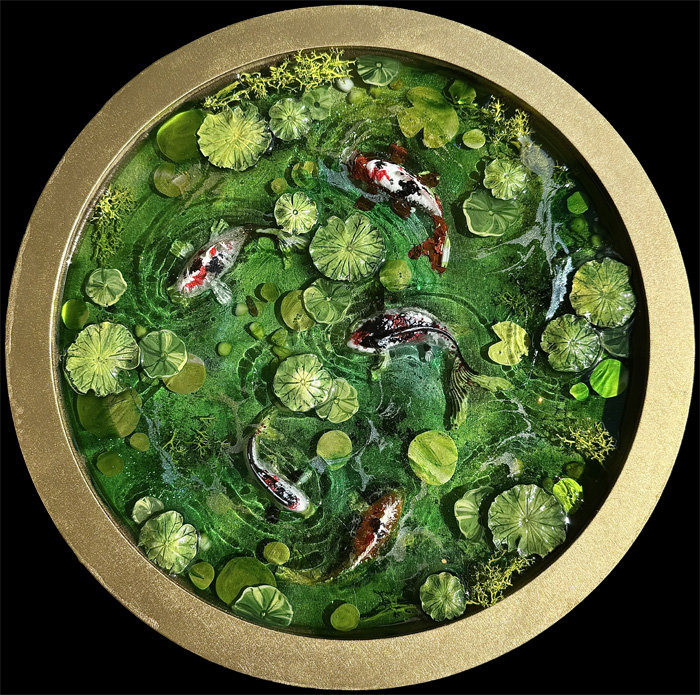
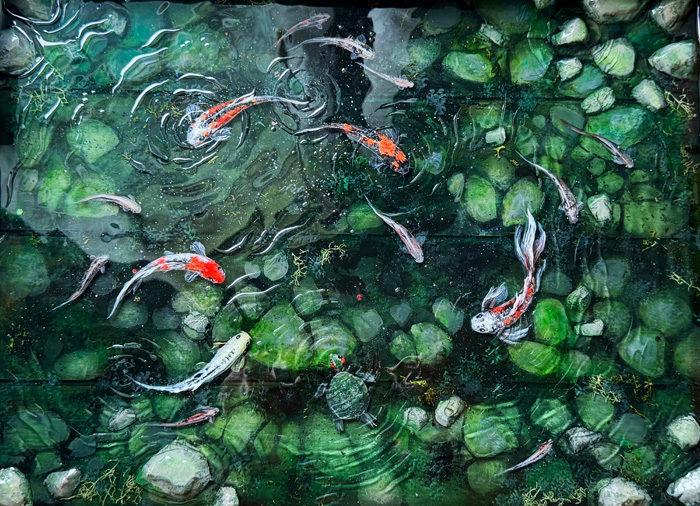
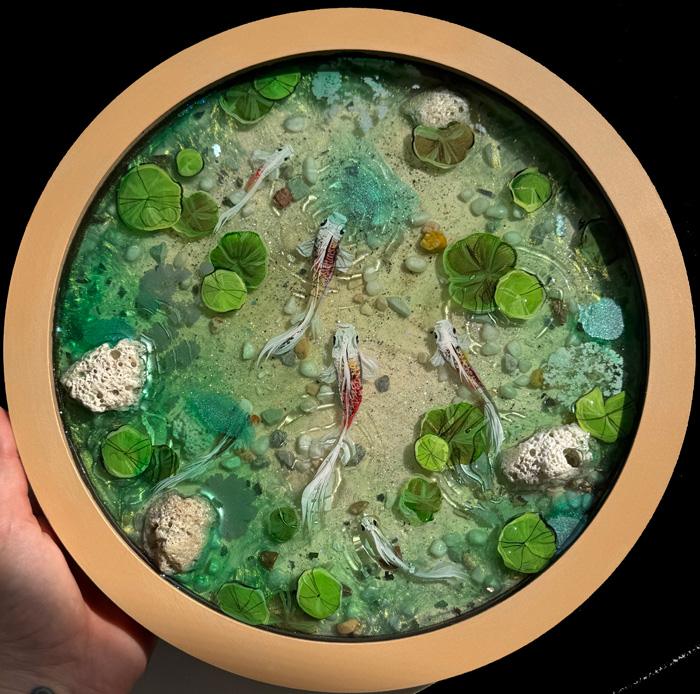
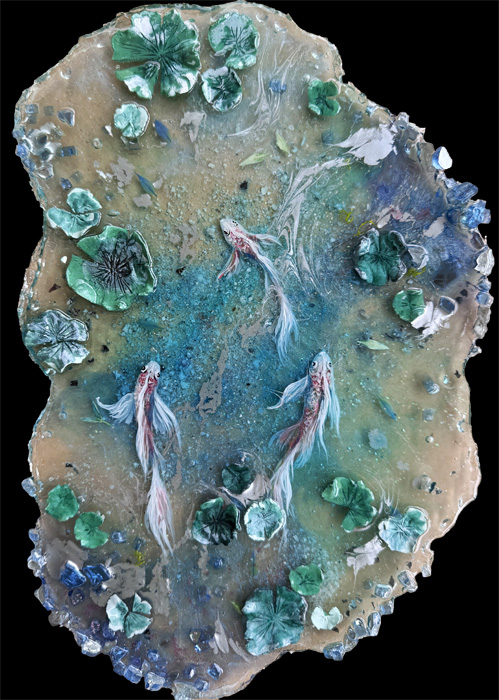
Below are Anastasiia’s Artist Biography, Artist Statement and 5 of her koi series artwork submitted to this competition.
Anastasiia Yatsunenko is a Ukrainian visual artist currently based in Florida, United States. Formally trained in fine art, she holds a bachelor’s degree in Graphic Design and has developed a multidisciplinary practice encompassing painting, mixed media, and three-dimensional resin art.
Born and raised in Ukraine, Yatsunenko began studying art at an early age and continued her education through formal artistic training and university studies. Following the outbreak of war in Ukraine, she was forced to leave her home country and relocate to the United States through the Uniting for Ukraine (U4U) program. This profound transition reshaped both her life and her relationship with art. Her creative practice became not only a means of expression, but also a way to process change, preserve a sense of continuity, and rebuild a connection with the world around her.
Yatsunenko works with oil, acrylic, watercolor, epoxy resin, and mixed media. Her practice combines traditional foundations in drawing, painting, color, and composition with experimentation in materials, texture, transparency, light, and dimensional form. She is particularly interested in work that exists between painting and three-dimensional art, where physical depth and changing reflections become active elements of the viewer’s experience.
Since continuing her artistic career in the United States, Yatsunenko has participated in juried exhibitions and art competitions, and her work has appeared in art publications. Her artwork has been exhibited in Florida, New York, and Colorado and has received recognition in international art competitions.
Florida’s subtropical environment has become an important source of inspiration in her recent work. Its waterways, ponds, wetlands, aquatic vegetation, wildlife, and constantly changing light have encouraged a deeper exploration of nature and the relationship between visible surfaces and the worlds that exist beneath them.
Across her practice, Yatsunenko explores memory, transformation, emotional resilience, nature, and the search for inner equilibrium. Through both traditional and experimental media, she seeks to create works that invite viewers to slow down, observe closely, and experience a moment of contemplation.
My koi series grew from a search for stillness during a period of profound change in my life. After moving to the United States and beginning to rebuild my life, art increasingly became a place where I could slow down, reflect, and restore a sense of inner balance.
Living in Florida brought me into constant contact with water. Ponds, lakes, wetlands, aquatic plants, wildlife, and changing reflections became part of my everyday environment. I became fascinated by the quiet experience of observing these places. Water can appear completely still while an entire world continues moving beneath its surface. That contrast became the emotional foundation of this series.
I was also inspired by Japanese culture and the visual tradition surrounding koi. Their associations with perseverance, strength, transformation, and good fortune resonated with my own experience, while their graceful movement through water embodied the tranquility I wanted these works to convey.
Creating each piece is a slow and technically demanding process. I work with epoxy resin in multiple pours, using appropriate respiratory protection, protective gloves, and careful handling while the material is uncured. A single work may contain three to seven layers of clear resin, with approximately twelve hours or more required before I can continue to the next stage. As a result, one piece can develop over several weeks.
Between these transparent layers, I build the underwater environment by hand. Koi may be painted progressively with acrylics across multiple levels, allowing parts of the same fish to occupy different physical depths. I also paint aquatic plants, lilies, algae, stones, and details of the pond floor. Some compositions incorporate real stones or separately created three-dimensional koi forms, which I cast in resin, finish, paint, and then integrate into the work.
I experiment with inks and reflective effects within the resin, including gold, silver, and color-shifting pigments that become visible only from particular angles. Because light travels through and reflects across several transparent levels, the image changes as the viewer moves around it. Details can appear, disappear, brighten, or shift in color.
The final clear layer becomes more than a protective surface. For me, it completes the illusion of water—a reflective boundary between the viewer and the world beneath it.
The lengthy process itself has become meditative. Pouring, waiting, painting, and returning repeatedly to the same underwater world requires patience and concentration. Each work captures a different moment of that experience, but together they form one continuous environment: a quiet window into another world, where movement exists without urgency and stillness is full of life.
To see more of Anastasiia’s work, visit her website.
Click the Thumbnail to See the Artwork in a Lightbox
 The Light Space & Time Online Art Gallery announces the winners of the 34th "Solo Art Series" Art Competition.
The competition closed on September 8, 2026, with 59 artists submitting work for consideration. Our selection panel chose 12 finalists, awarding 4 artists month-long solo exhibitions and 8 artists featured placement in our Artist Showcase.
We thank all participants for their submissions. The strength and diversity of work presented this year made for a highly competitive field and a demanding selection process.
Entries were evaluated on multiple criteria, including artistic quality, portfolio strength, and the artist's ability to articulate their practice through their biography and statement.
The four Solo Exhibition winners and their exhibition dates are listed below.
| Julie Denoncourt | September 15, 2026 to October 14, 2026 | |
| Kim Franz-Cruz | October 15, 2026, to November 14, 2026 | |
| Daniel Williams | November 15, 2026, to December 14, 2026 | |
| Patricia Cannon | December 15, 2026, to January 14, 2027 |
As part of the selection process, the remaining 8 finalists have been awarded Artist Showcase features. The Artist Showcase recipients, with features posting every 2 weeks beginning September 15th, are:
| Anastasiia Yatsunenko | September 15, 2026 to September 30, 2026 | |
| Caren Appel | October 1, 2026 to October 14, 2026 | |
| Nisey Garcia | October 15, 2026 to October 31, 2026 | |
| Kylo-Patrick Hart | November 1, 2026 to November 14, 2026 | |
| Theresa Poalucci | November 15, 2026 to November 30, 2026 | |
| Sergiy Cherednychenko | December 1, 2026 to December 14, 2026 | |
| L Richardson | December 15, 2026 to December 31, 2026 | |
| Tan En En | January 1, 2027 to January 14, 2027 |
Of the 59 artists who submitted to this “Solo Art Series” competition, 27 advanced past the initial review stage based on the strength of their artwork, biography, and artist's statement. From these 27 artists, 21 were selected as finalists, with 12 ultimately chosen for recognition. The quality among finalists was consistently strong, making final selections highly competitive.
Each solo exhibition will be promoted through press release distribution to hundreds of major news outlets and art news websites, as well as through the gallery's extensive social media network.
The 8 Artist Showcase recipients will receive similar promotional support, including distribution to major news outlets, art news websites, and social media channels.
Winning artists will be featured on ArtWeek, which generates 800,000 page impressions monthly, attracts 280,000 website visitors per month, and reaches 30,000 newsletter subscribers.
Solo exhibition winners will also receive a YouTube video presentation of their body of work, an event postcard, a press release, and links to their website as part of their achievement package.
The gallery's Solo Art Series Archives can be accessed here. Our next “Solo Art Series” competition will open for entries in October 2026.
We thank all participants for their interest in our “Solo Art Series” and congratulate the winners.
 We want to share some important news about upcoming changes at both Light Space & Time Online Art Gallery and our parent gallery, Fusion Art. Starting January 1, 2027, we will be making a modest adjustment to our competition entry fees.
We have always worked hard to keep entry costs reasonable so that artists at every stage of their career, from students to established professionals, can afford to submit their work and have it seen by our jurors and audience. That commitment has not changed. But like any organization, we're not immune to rising operational costs, and after holding our rates steady for a long time, a small increase has become necessary to keep both galleries running strong and to continue offering the level of service, promotion, and prize support our artists have come to expect.
Even with this adjustment, we want to be clear about one thing: our fees remain among the most affordable in the online art competition space. Many comparable galleries charge a minimum of $20-$25 per image. Our new rates stay well below that standard.
Here is what will change, and when.
The new rates will take effect with each gallery's first competition deadline of the year. For Light Space & Time, that will be our 18th "Abstracts" competition, with a deadline of January 27th. For Fusion Art, that will be our Black & White 2027 competition, with a deadline of January 1st. Any competition with a deadline before those dates will still be entered at current pricing.
Light Space & Time Online Art Gallery: New entries will be $20 for 1 to 2 images, which works out to $10 per image, and $30 for 3 to 5 images, which averages to $6 per image when submitting the full five. Our early entry discount will continue as well. Artists who enter during the first month a competition is open will pay the discounted rate of $18 for 1 to 2 images and $28 for 3 to 5 images. Our student discount will also be adjusted, moving to $18 for 1 to 2 images and $26 for 3 to 5 images. Light Space & Time is still the only online gallery offering both an early entry and student discount, and we're proud to keep both in place.
Reminder: To qualify for the student discount, artists must enter using a valid educational email address ending in .edu, and that address must be the one associated with their Submittable account. We mention this because we've recently seen the discount used by artists who don't appear to be currently enrolled students. We'd much rather keep the discount in place, but continued misuse may leave us no choice but to discontinue it. We appreciate our artists helping us keep this benefit available for the students who genuinely qualify.
Our Solo Art Series entry fee will be $30 for 5 images. Our popular Summer and Winter "5 for $10" competitions, held twice a year, will stay exactly the same. No change there.
Again, these new rates begin with our 18th "Abstracts" competition, which has a deadline of January 27th and our 35th “Solo Art Series,” which has a deadline of January 5th.
Fusion Art: New entries will be $30 for 1 to 2 images, which comes to $15 per image, an increase of only $2.50 per image. Entries of up to 5 images will be $45, averaging $9 per image, up from the previous average of $8 per image when submitting the full five.
Reminder: These new rates begin with our Black & White 2027 competition, which has a deadline of January 1st.
Along with this update, we’re pleased to share some good news too. In 2027, both galleries will be expanding the number of winners who receive cash prizes. More of our talented artists will be recognized with a cash award or complimentary membership to our Fusion Art Members Gallery than ever before. We will be announcing the full new prize structure for each gallery in December, so keep an eye out for that.
For our Fusion Art Members Gallery members, there is one more update on the way. We’re making changes to the Fusion Artist Membership program, and we’ll share full details before the end of the year. Current members will receive a direct email outlining exactly what is changing and what it means for their membership.
We know that any fee increase, even a modest one, is not something artists want to see, and we don’t take that lightly. Please know that every decision we make is guided by our goal of keeping these galleries sustainable, well run, and worth being part of for years to come.
Thank you to every artist who has submitted work, trusted us with their art, and been part of the Fusion Art and Light Space & Time family. We are grateful for your talent and your continued support, and we are looking forward to a bright future together.
 Light Space & Time Online Art Gallery is extremely pleased to announce that Patricia Cannon has been named as the Gallery’s new featured artist and she will now be promoted by the gallery for the next 14 days in the gallery’s Artist Showcase.
Patricia is an award-winning photographer and poet based in California, USA. She was selected as 1 of the top twelve finalists in the gallery’s 33rd Solo Art Exhibition Series. The placement in this competition qualified her work to be showcased in this feature.
Her Artist Showcase feature will be promoted to hundreds of major news outlets. In addition, the gallery will also be featuring and promoting her artwork in the gallery’s various social media networks for further exposure.
Below are Patricia’s Artist Biography, Artist Statement and 5 of her black and white digital photographs submitted to this competition.
Patricia Cannon was a registered nurse at UCSF for over twenty years, working in critical care—from cardiac and neuro-intensive care to hematology-oncology and research. Her professional journey is as diverse and passionate as her artistic pursuits. Outside the hospital, Patricia finds comfort and creative expression in her photography and poetry. Her work captures the subtle dance between life’s light and shadows, touching on themes of nature, love, and loss.
As a poet and photographer, Patricia's artistry is deeply connected to her life experiences and faith. Her images and words invite viewers and readers to explore emotional landscapes, offering a gentle yet powerful glimpse into moments of beauty and reflection. Patricia's work has been featured in numerous books and magazines. "Each piece, be it a photograph or a poem, reflects her commitment to capturing life's fleeting moments and honoring them with both heart and skill. Her ability to turn personal experiences into universal truths, combined with the emotional depth of her photography, makes Patricia Cannon a distinctive voice in both the art and literary worlds. Through her lens and pen, she illuminates the beauty and fragility of the human experience." — Barbagelata Art Foundation.
Photography and poetry are closely linked in my art. Whether I am capturing an object or highlighting the distinct features of a human face, I occasionally experience a deep spiritual moment when the “veil lifts,” and I catch a glimpse of something new.
To see more of Patricia’s work, we invite you to explore her photographs and poems, including her debut book, "Wild Heart," on the Poetry Box website at https://thepoetrybox.com/bookstore/wild-heart
Click the Thumbnail to See the Artwork in a Lightbox
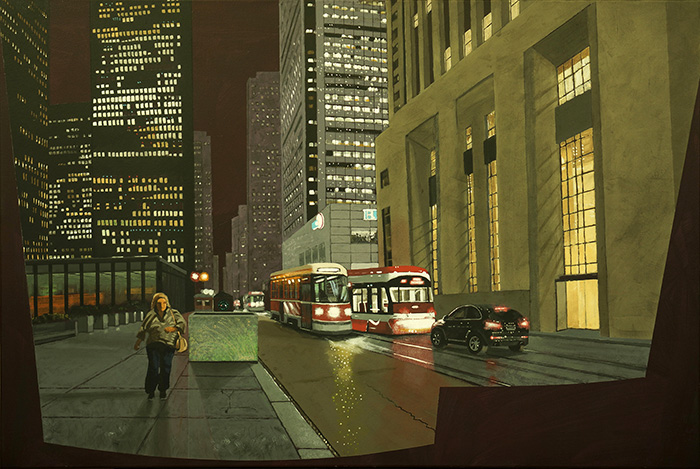
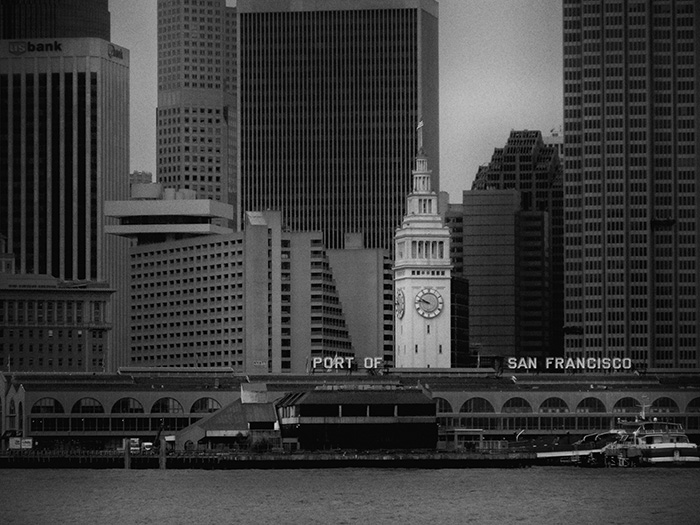
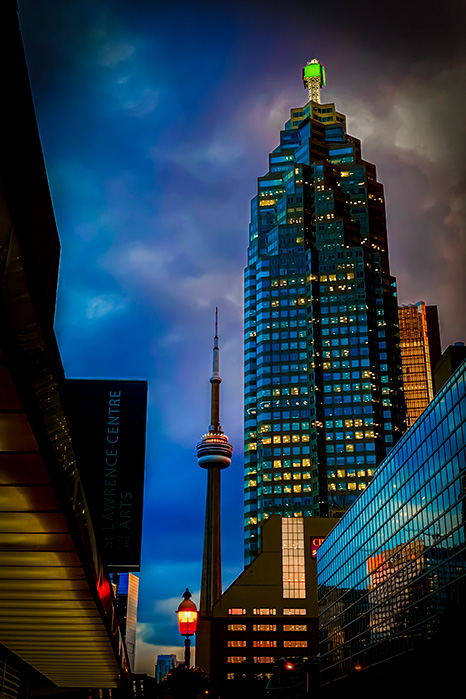
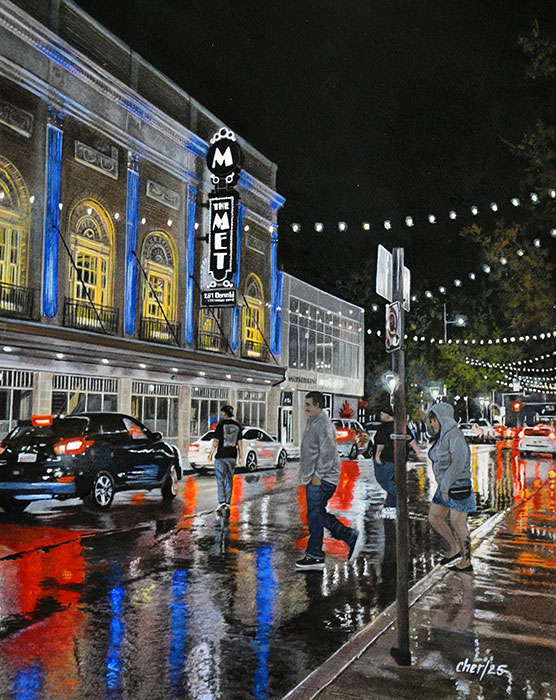
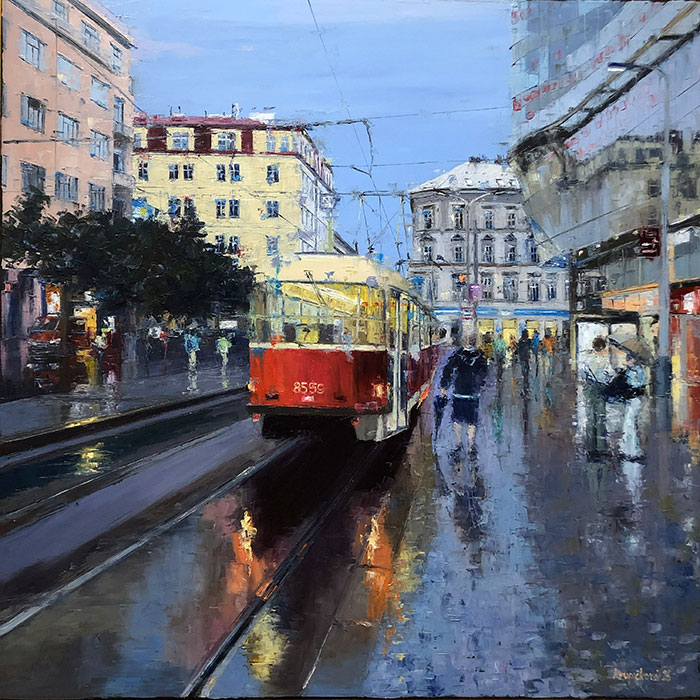
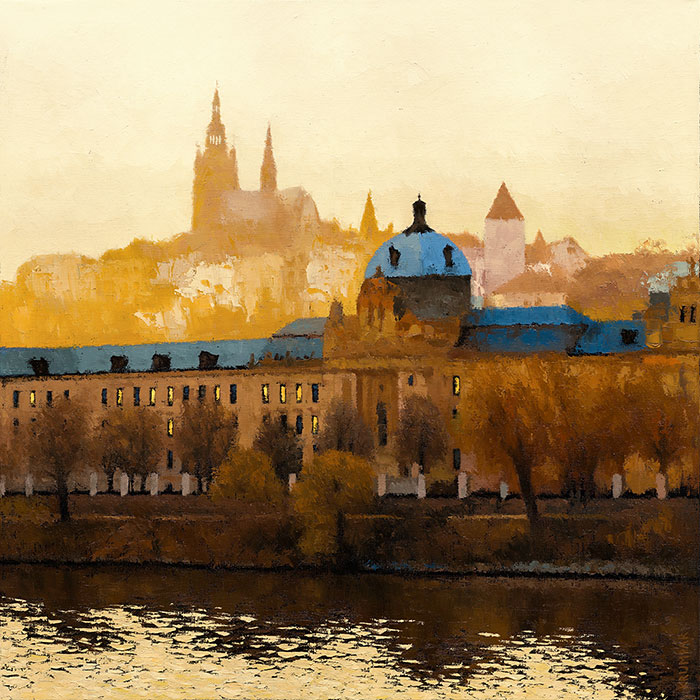
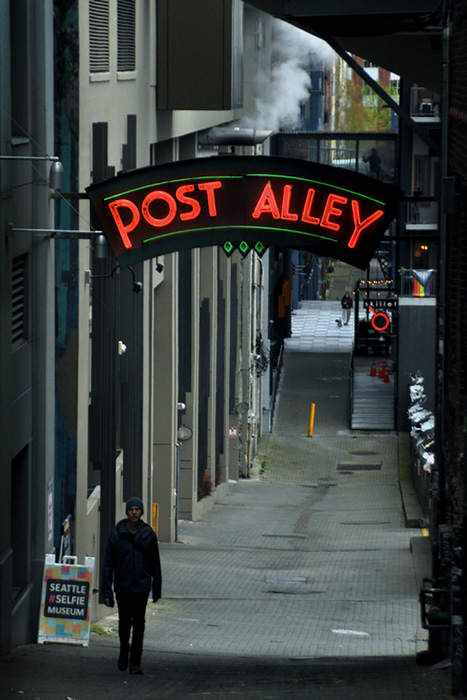
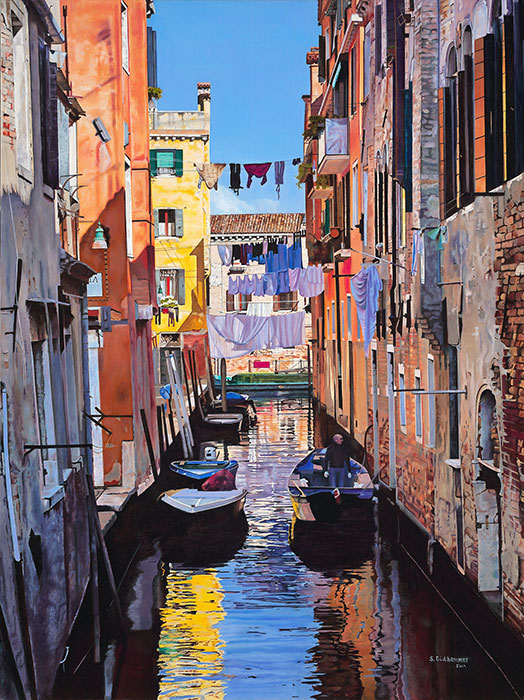
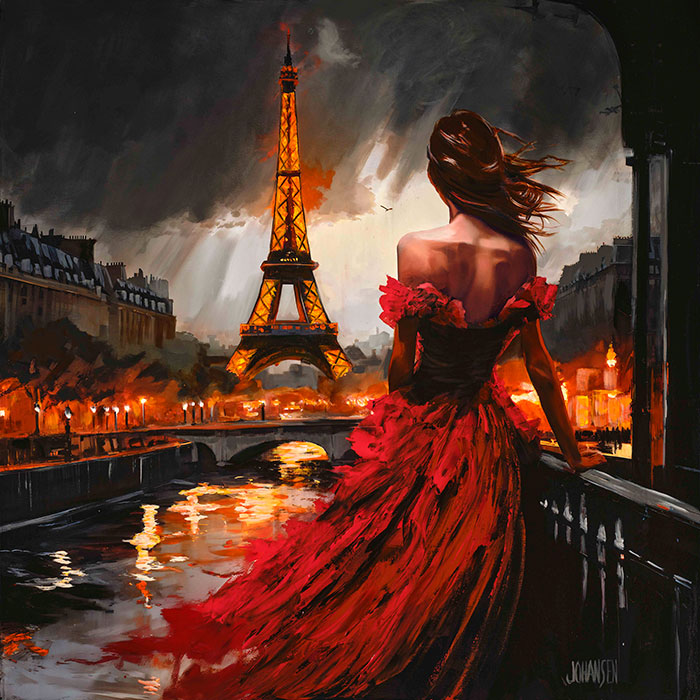
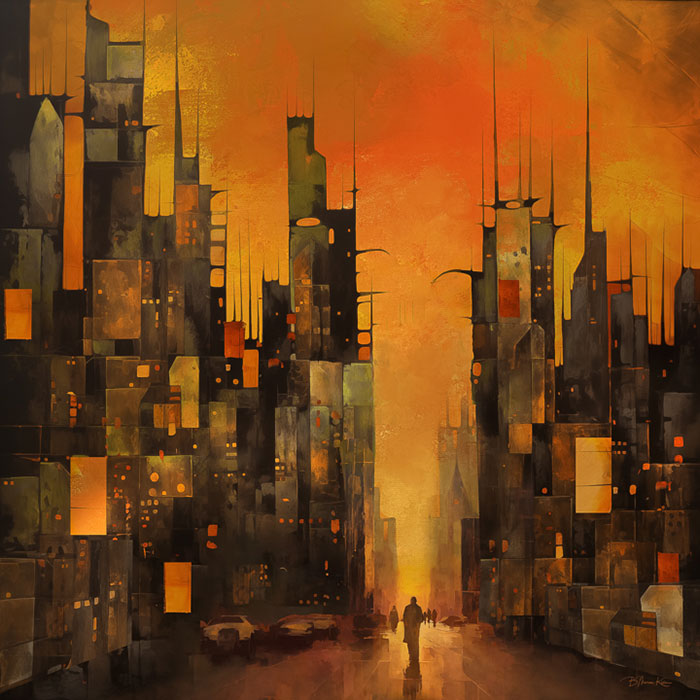
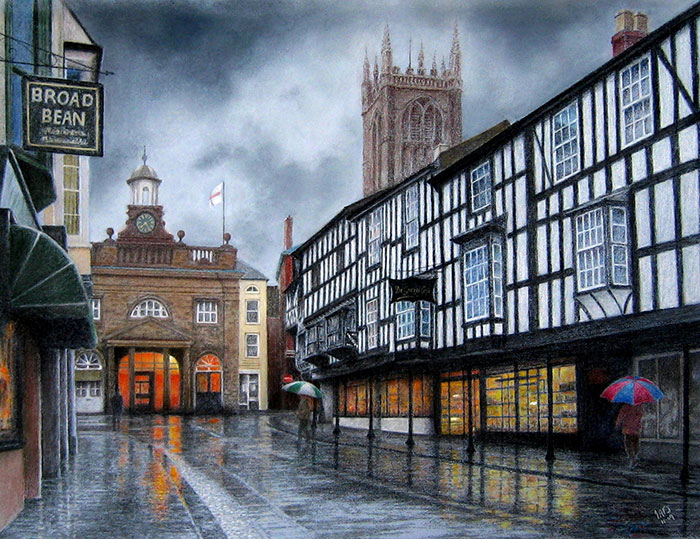
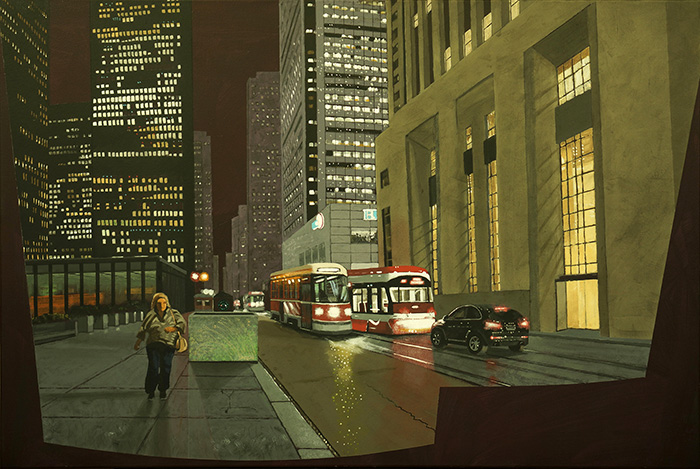
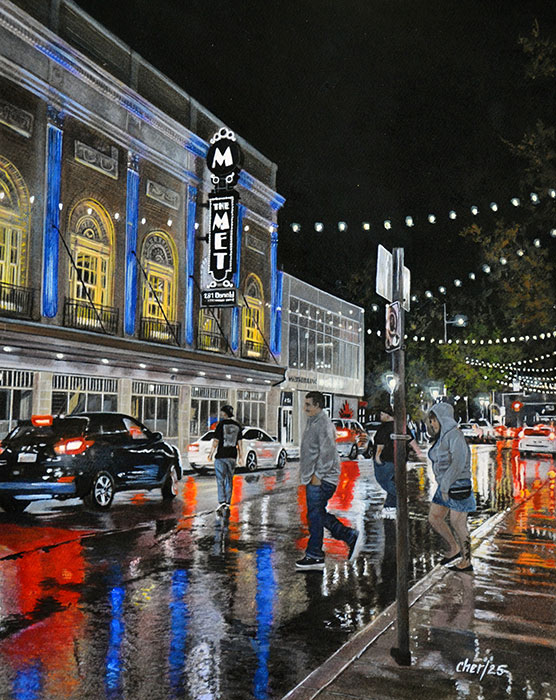
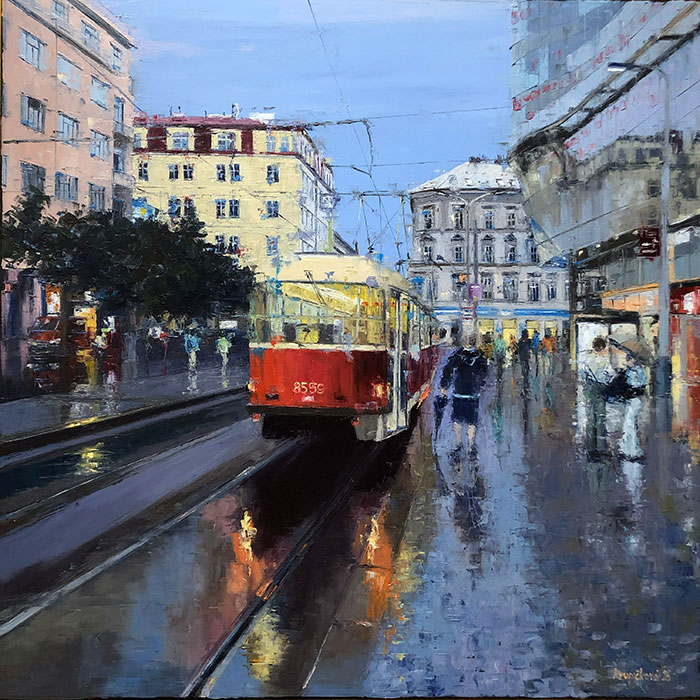
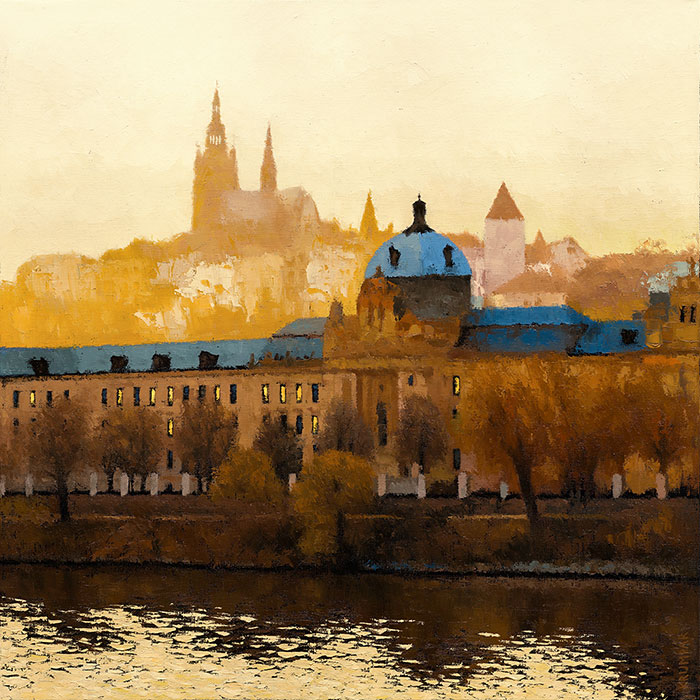
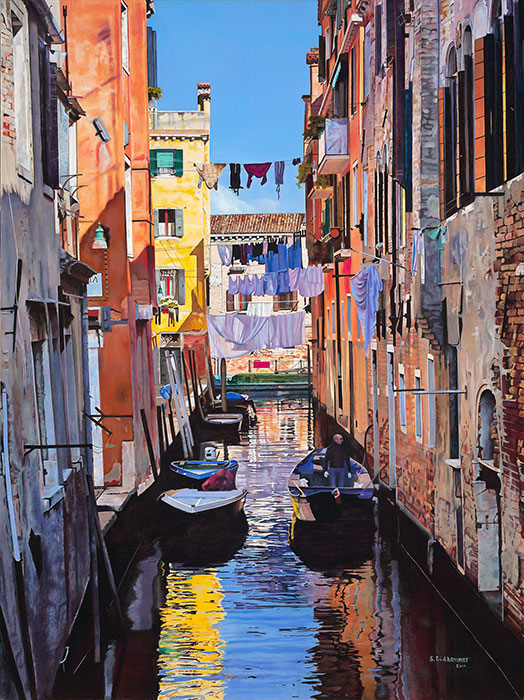
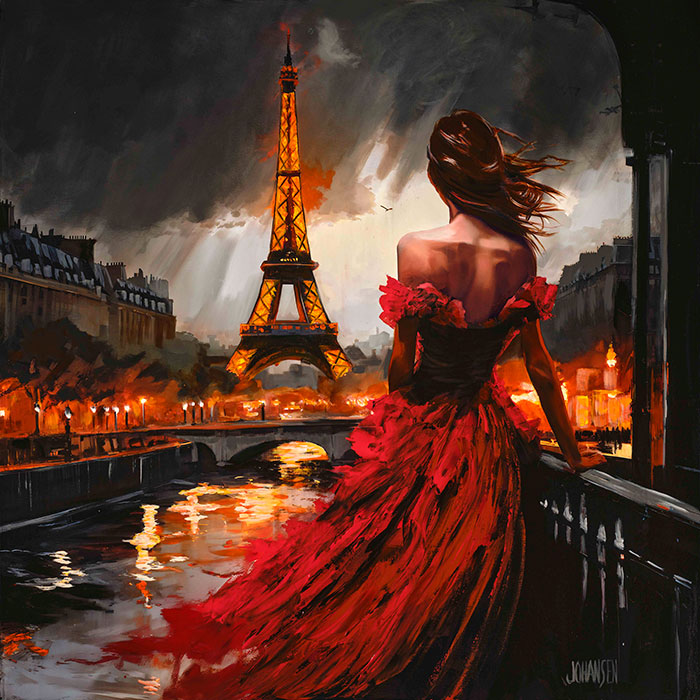
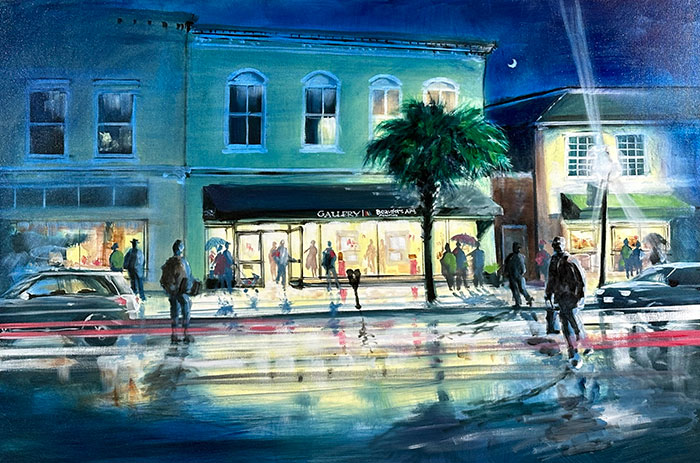
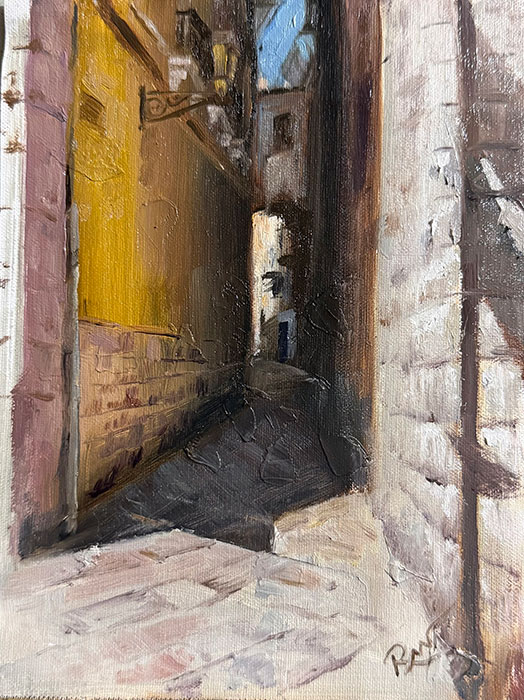
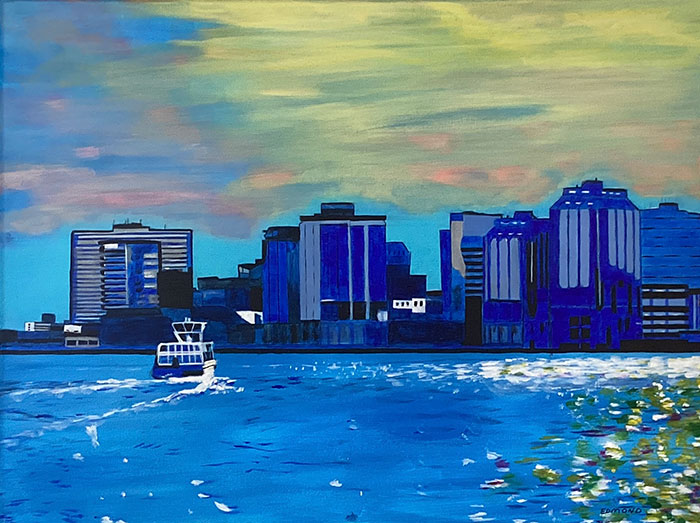
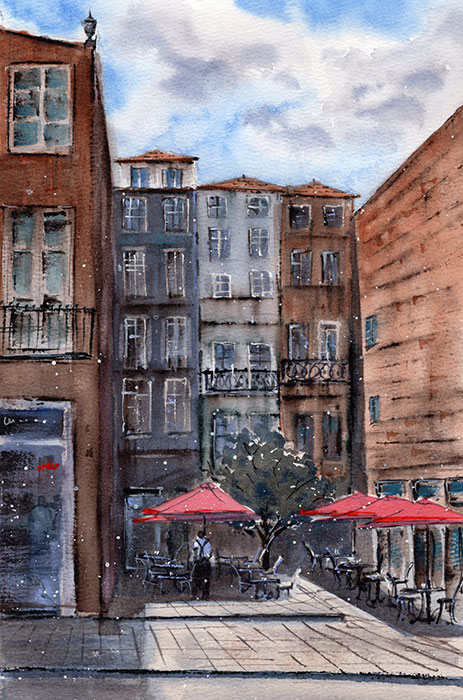
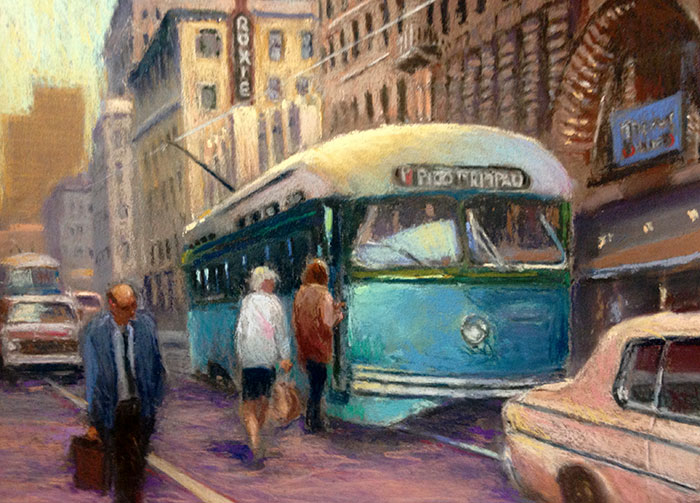
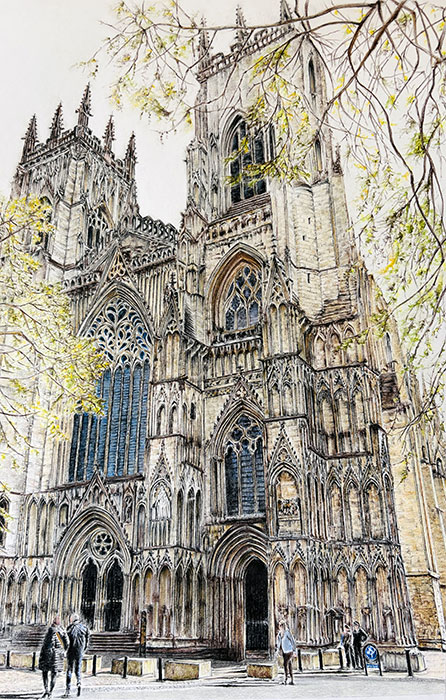
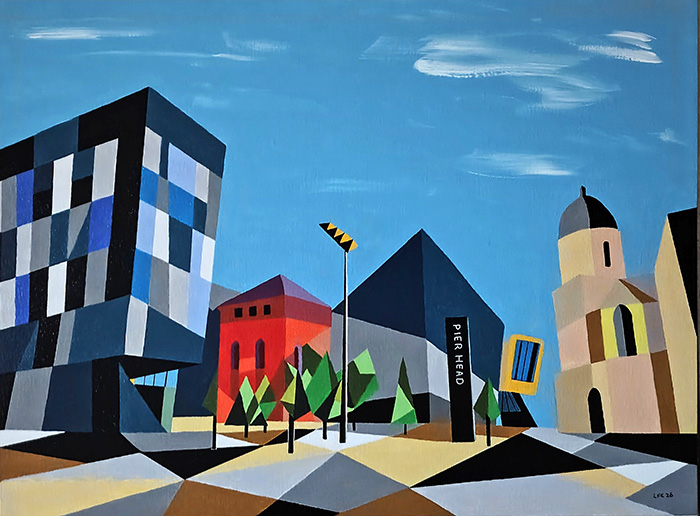
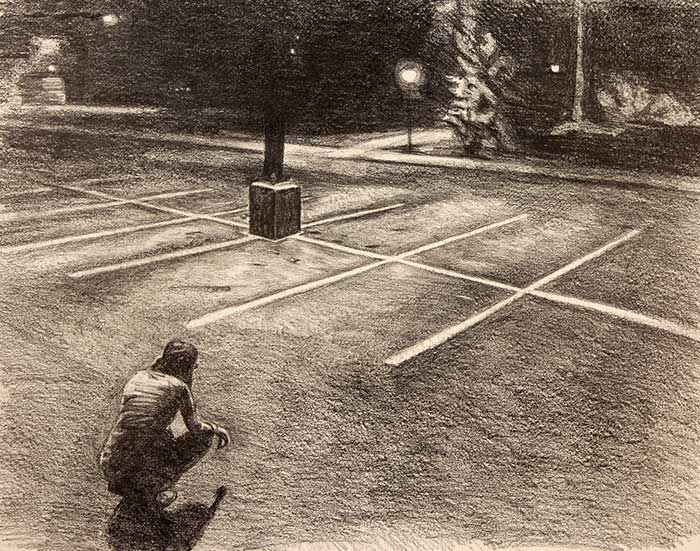
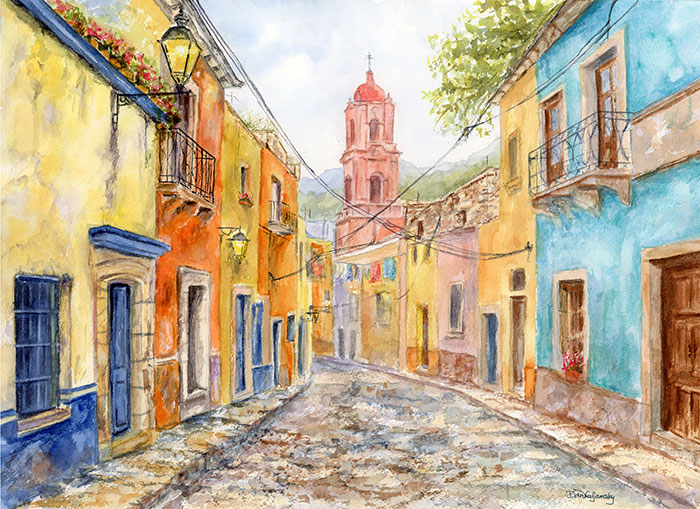
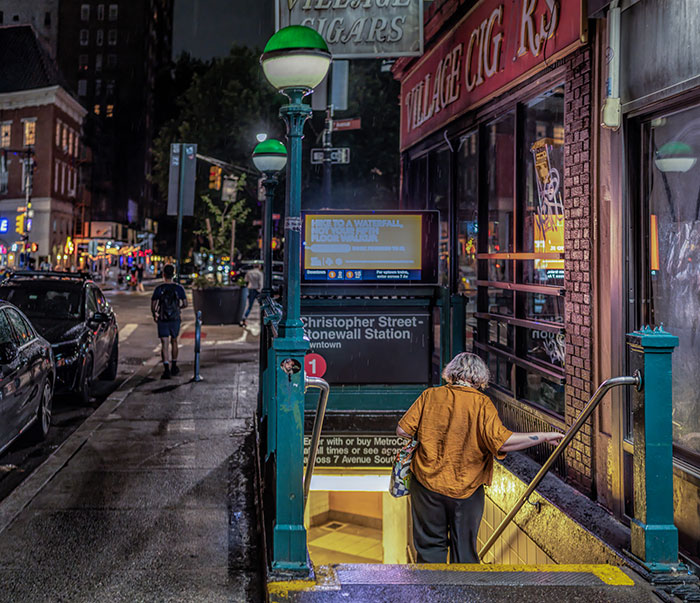
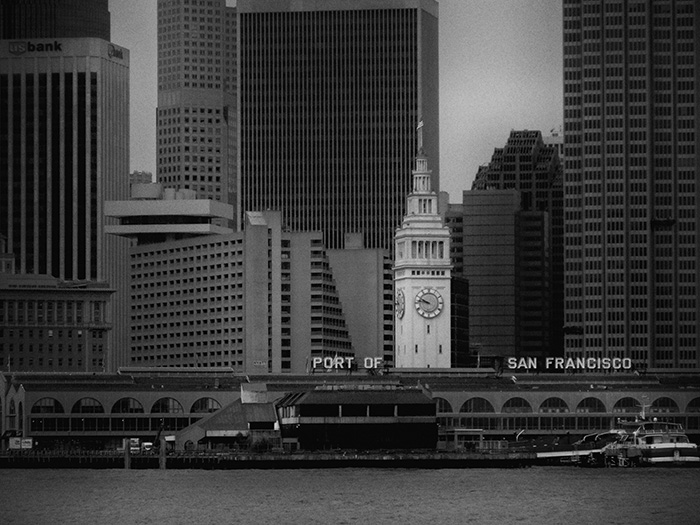
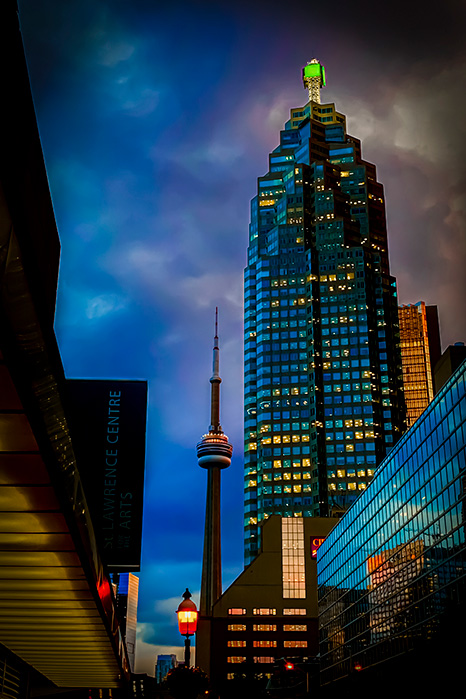
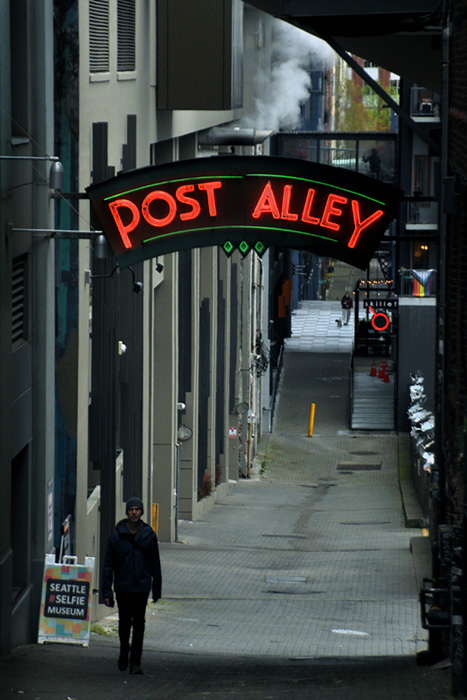
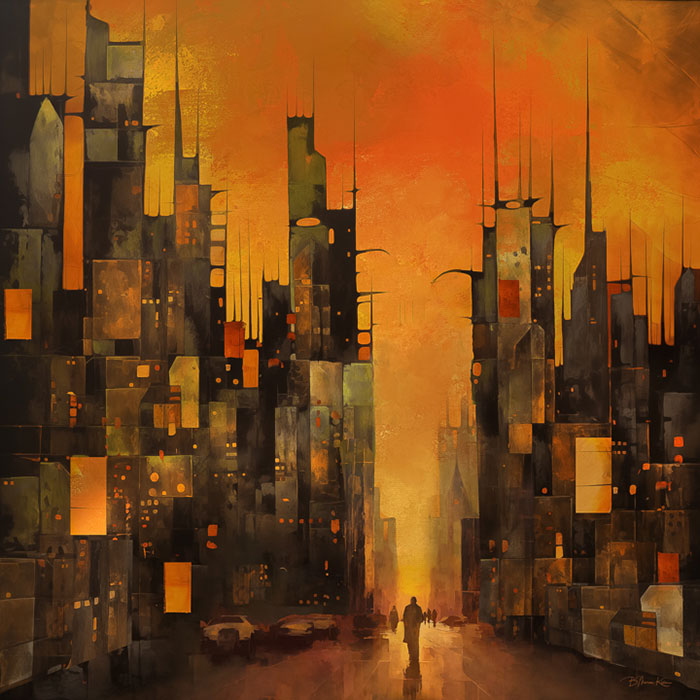
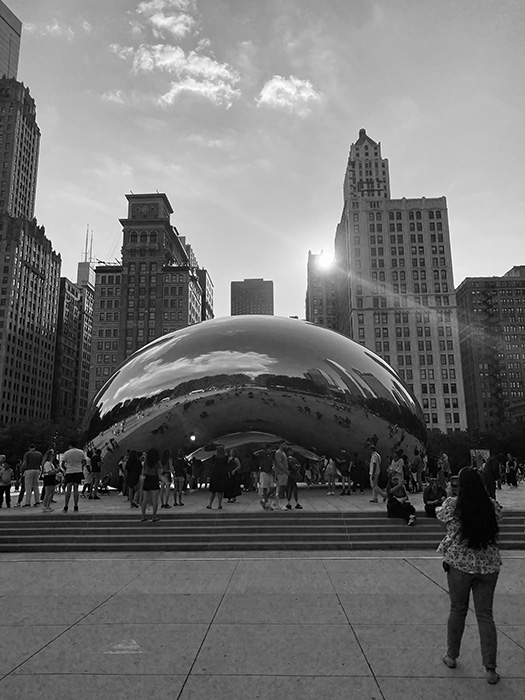
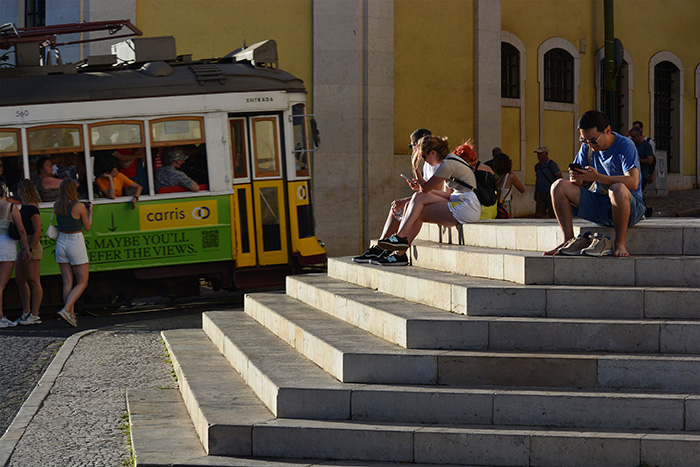
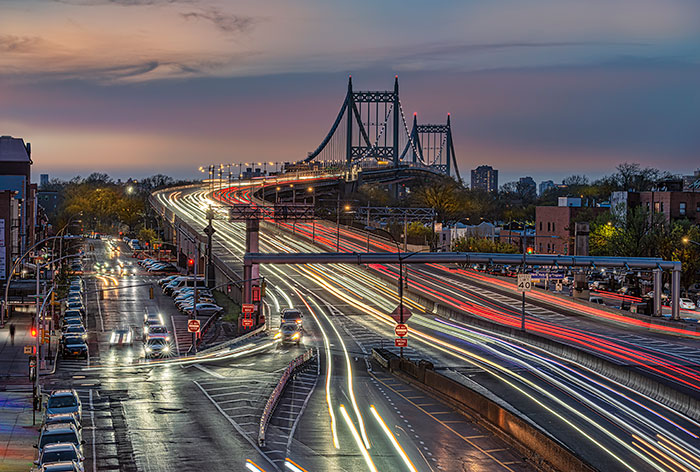
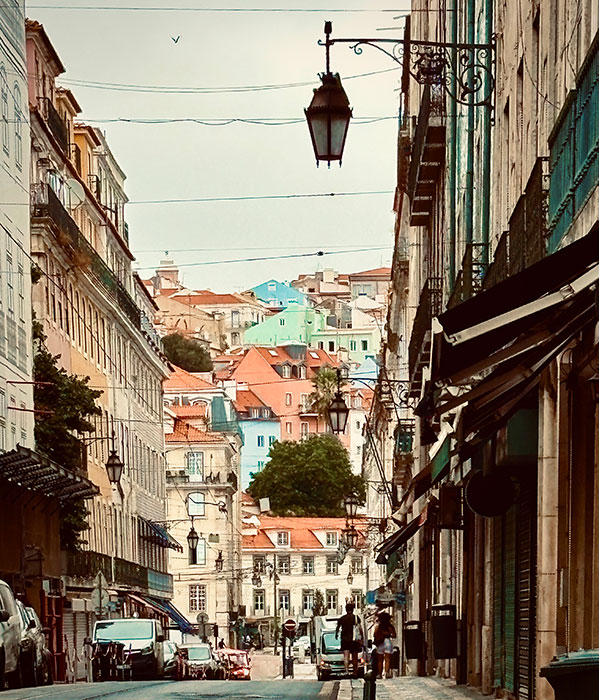
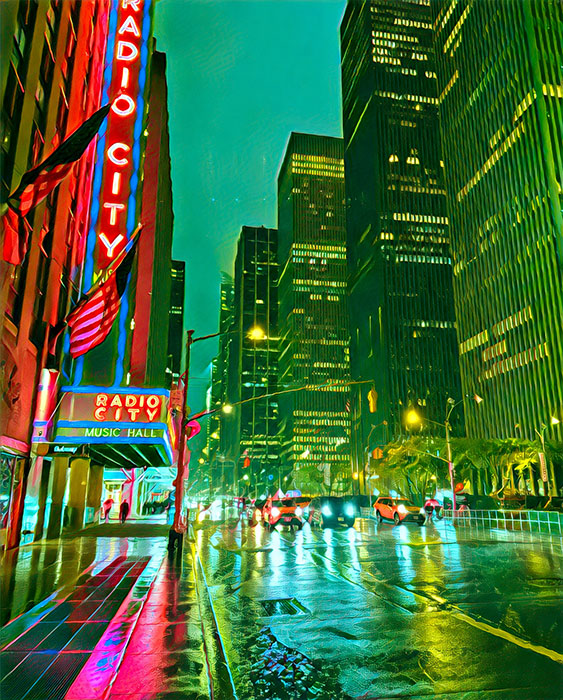
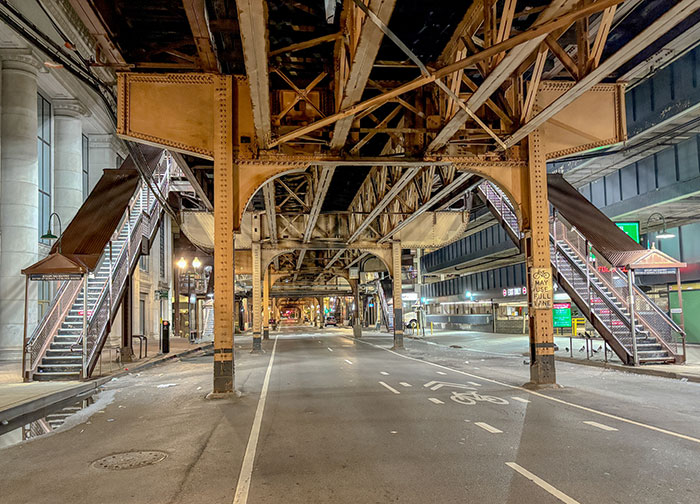
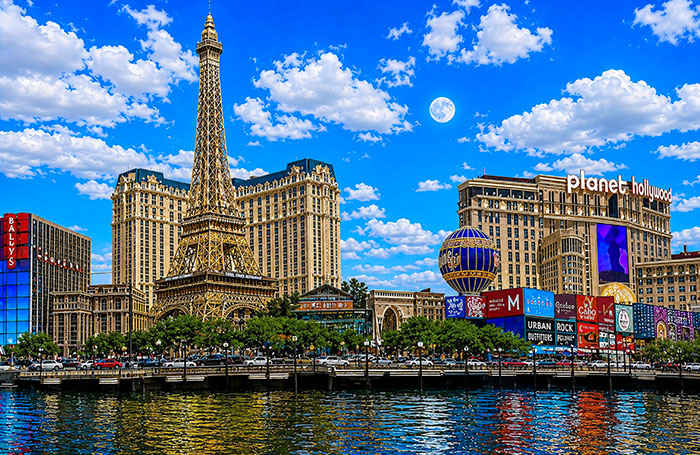
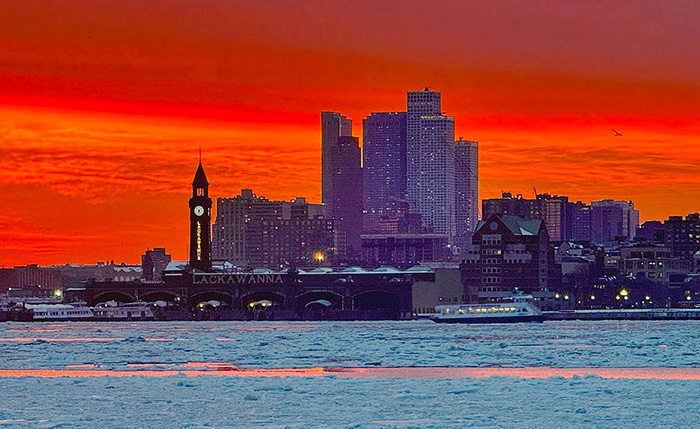
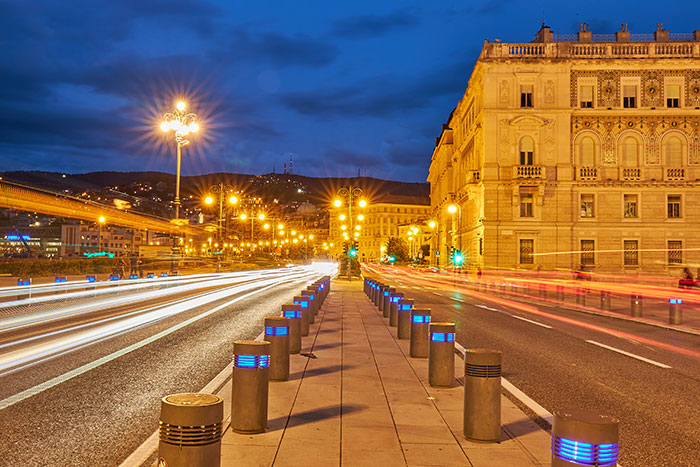
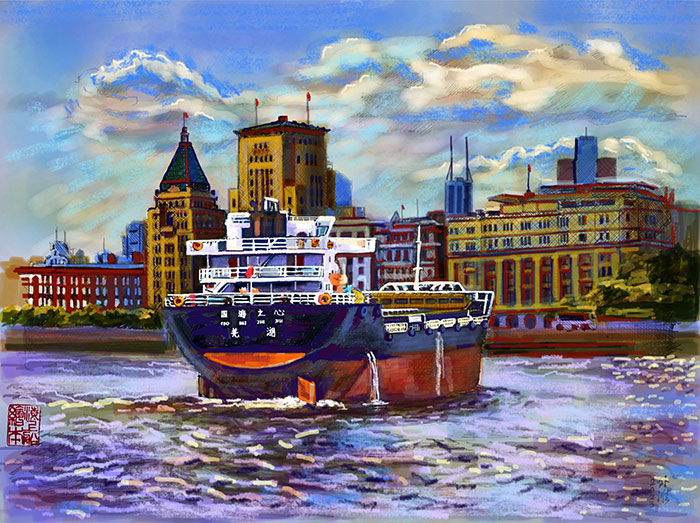
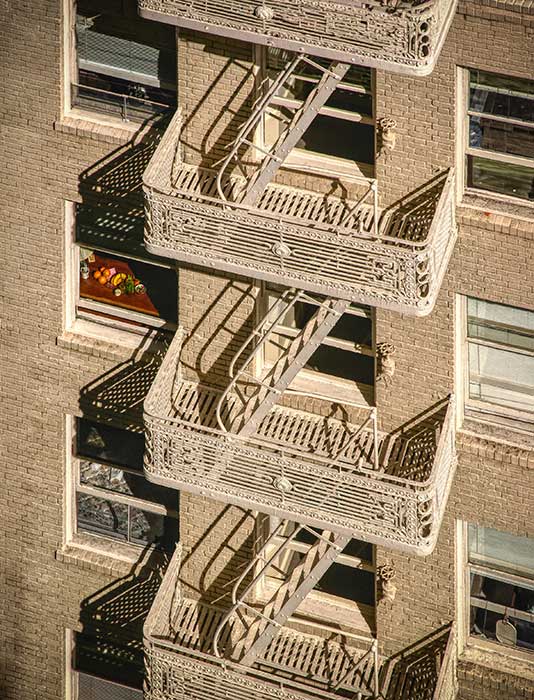
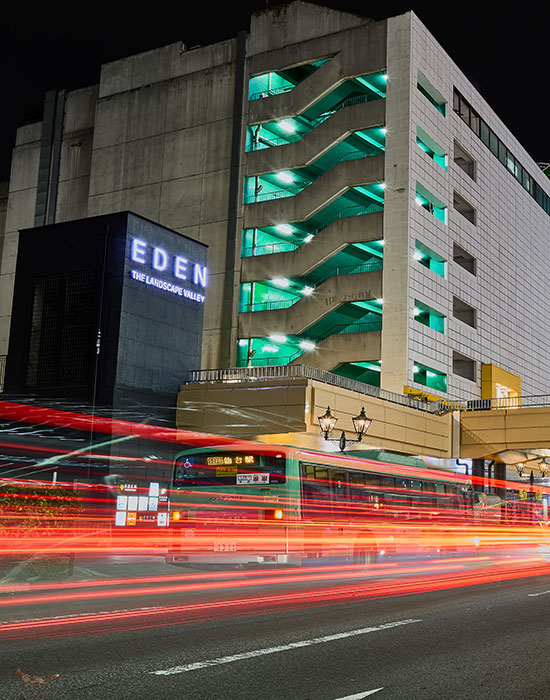
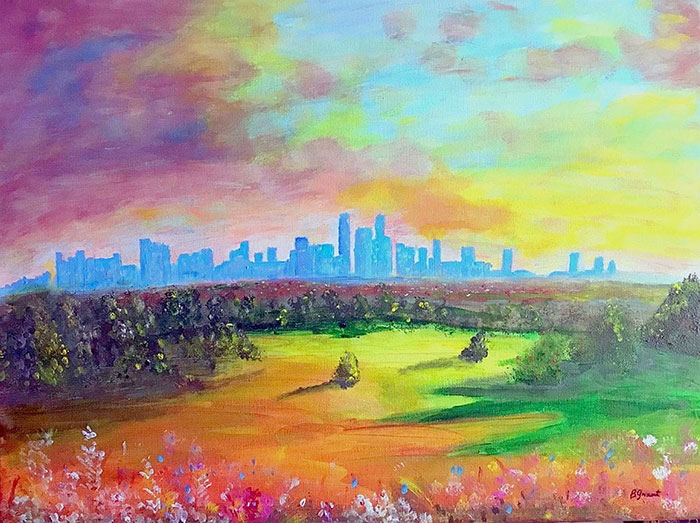
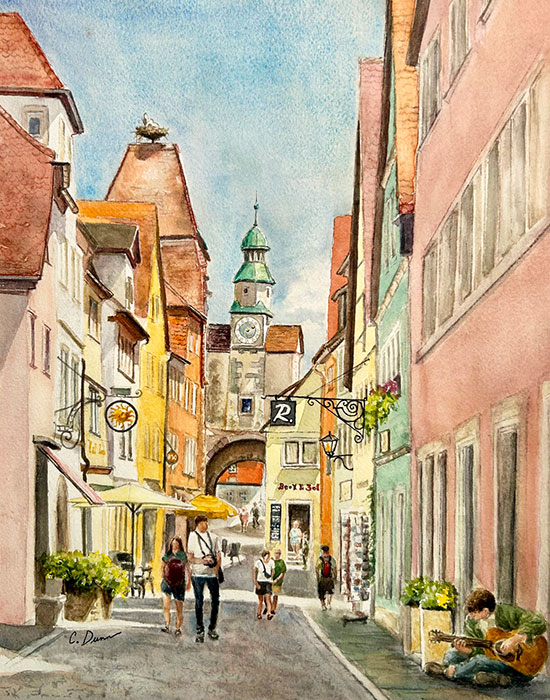
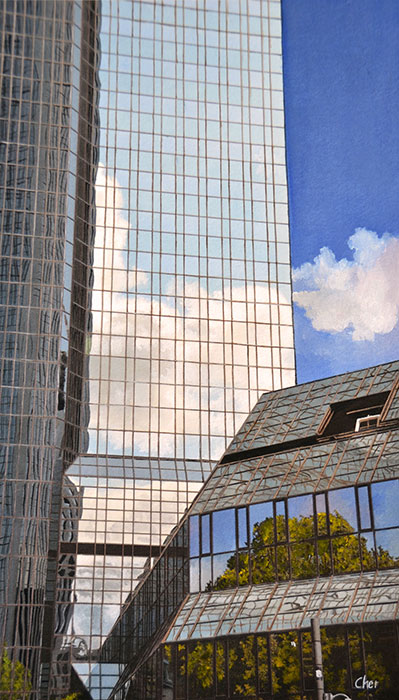
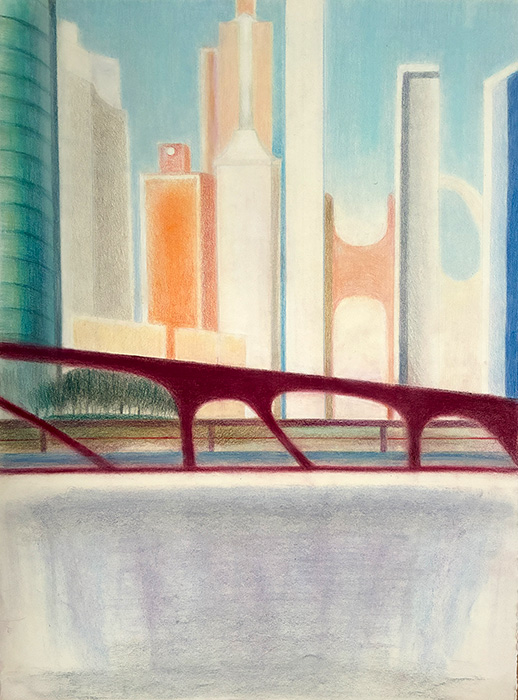
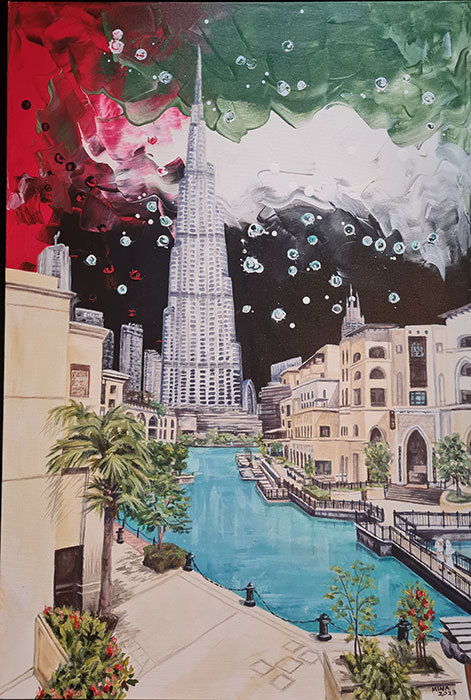
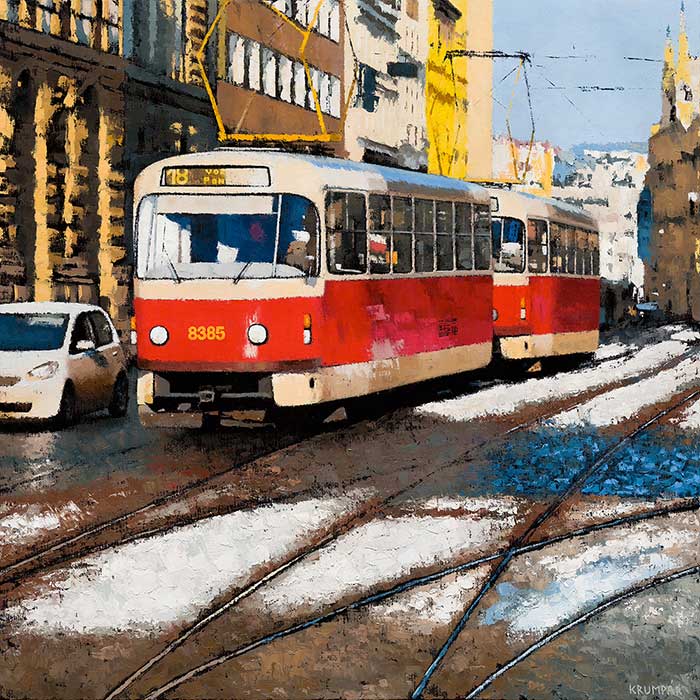
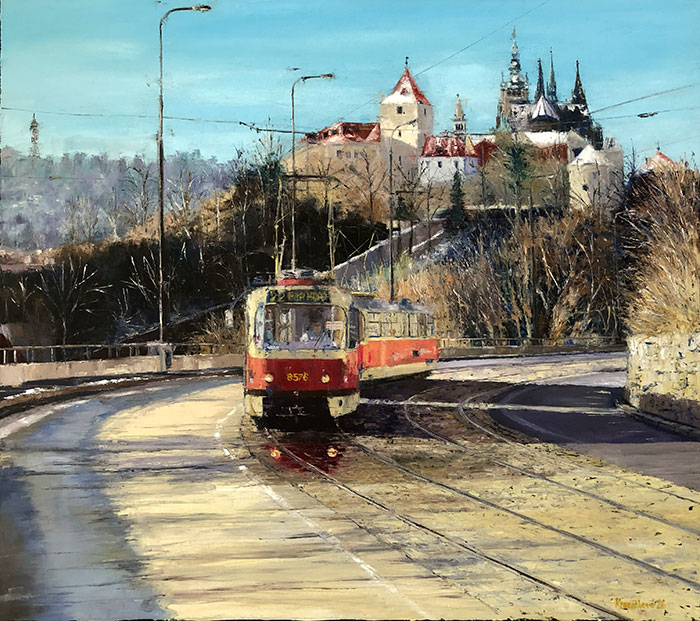
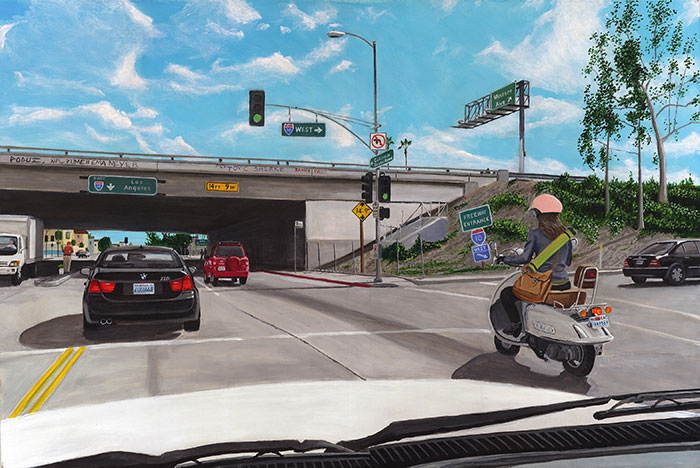
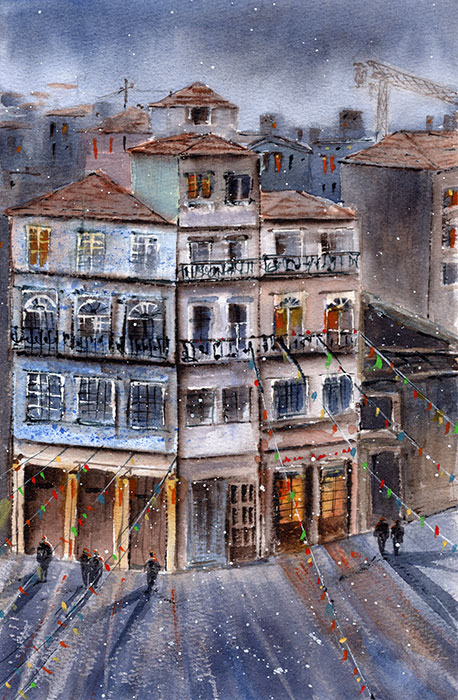
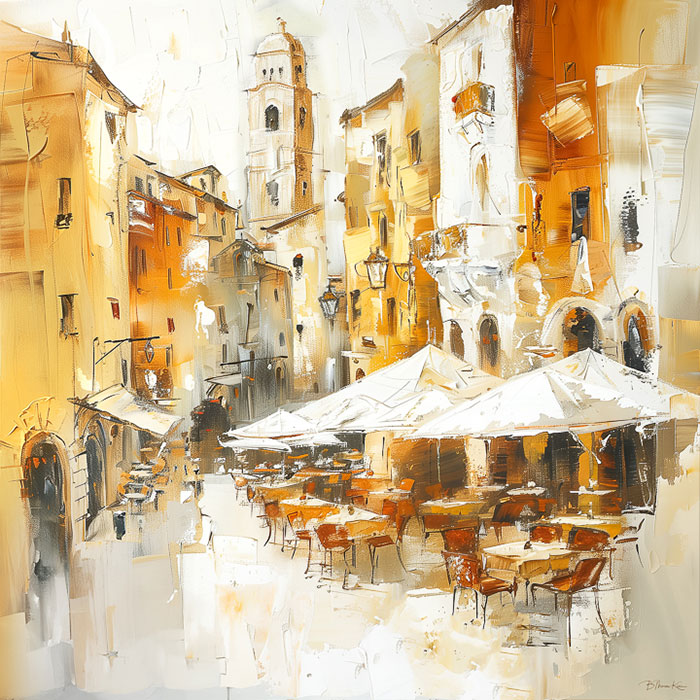
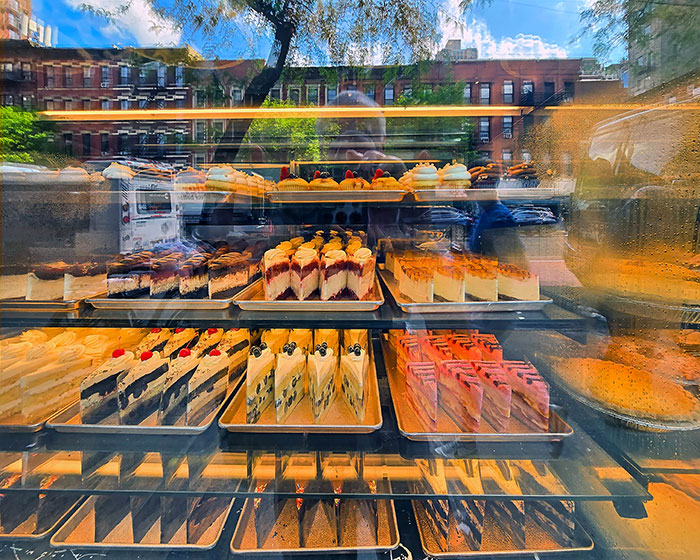
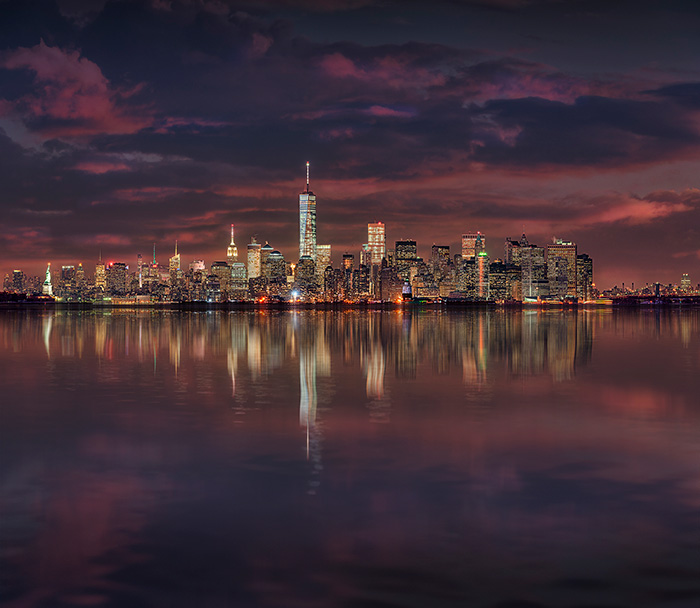
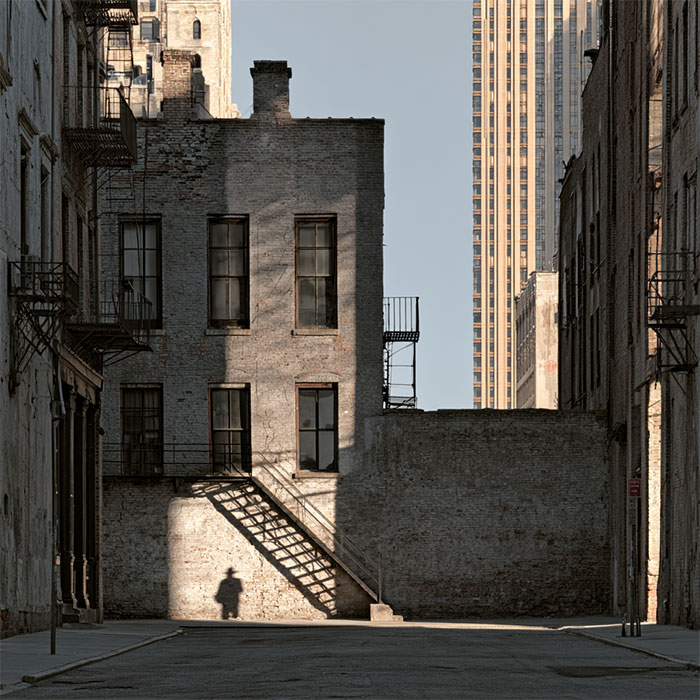
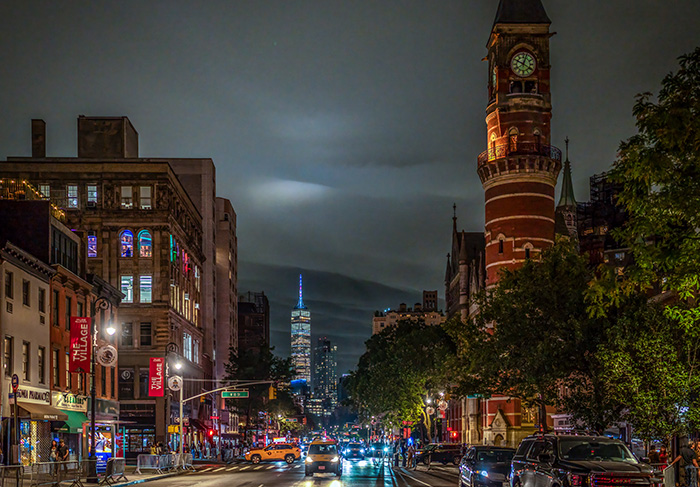
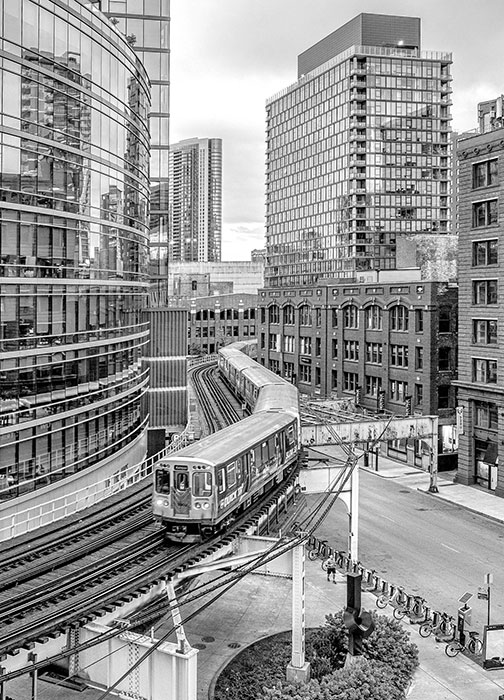
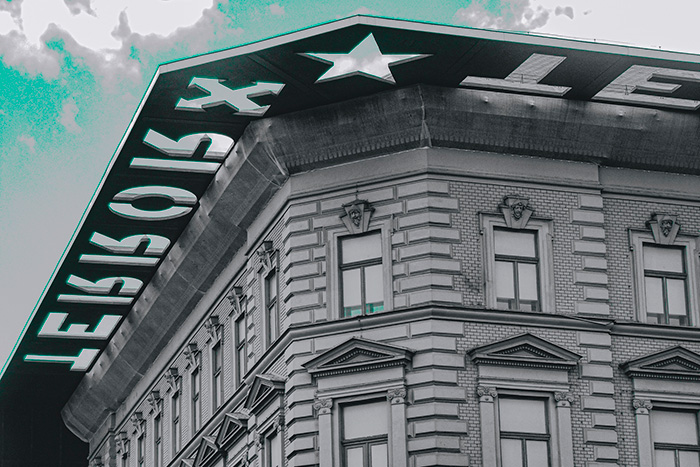
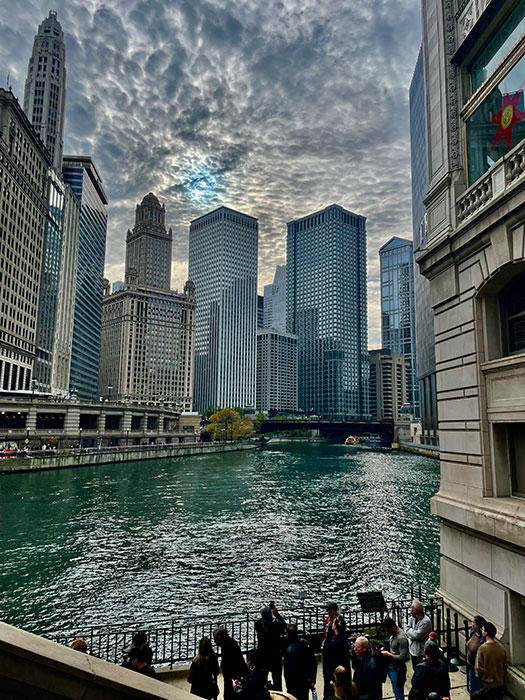
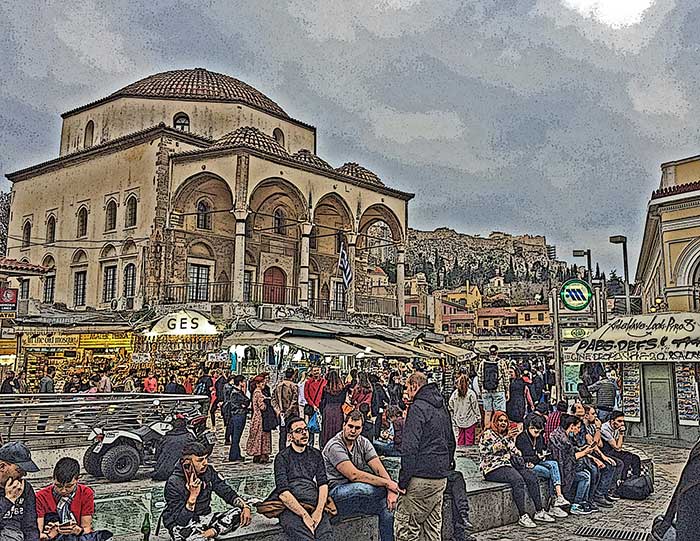
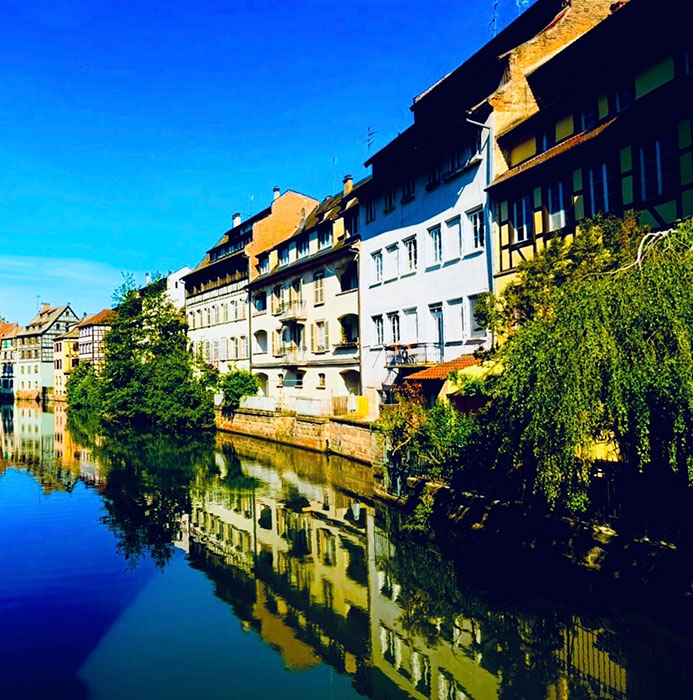
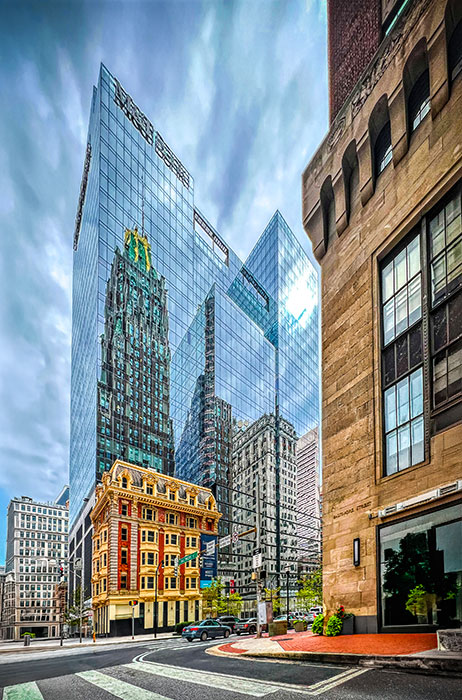
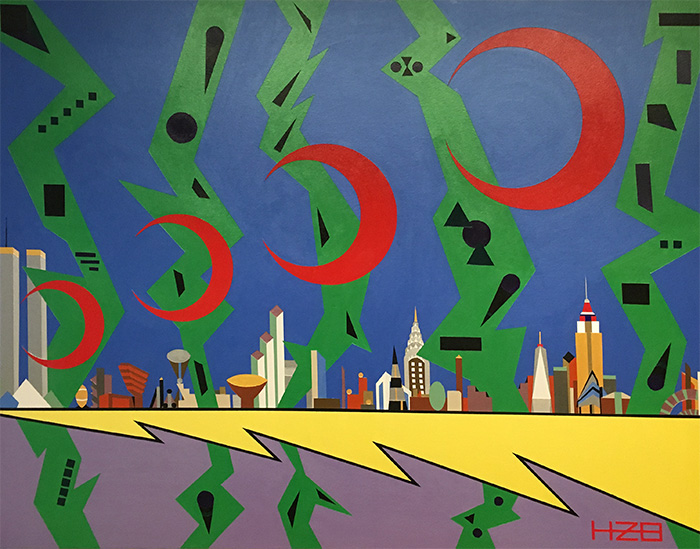
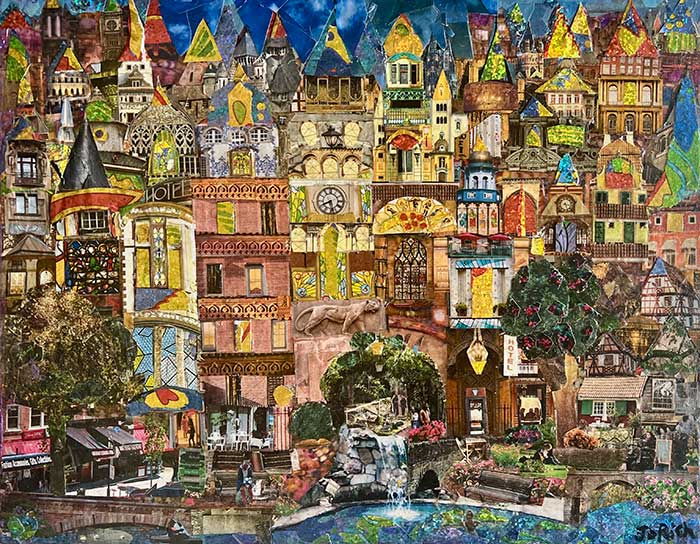
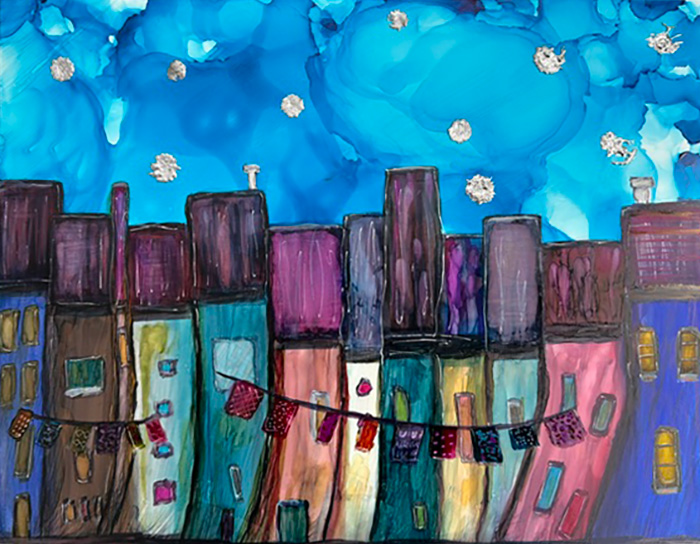
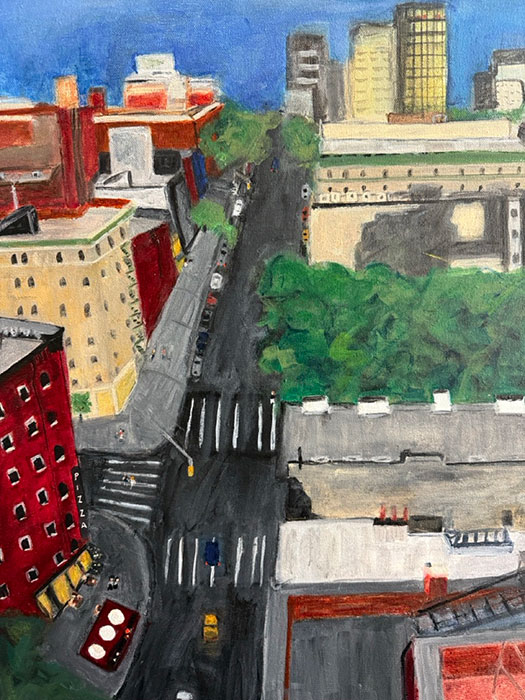
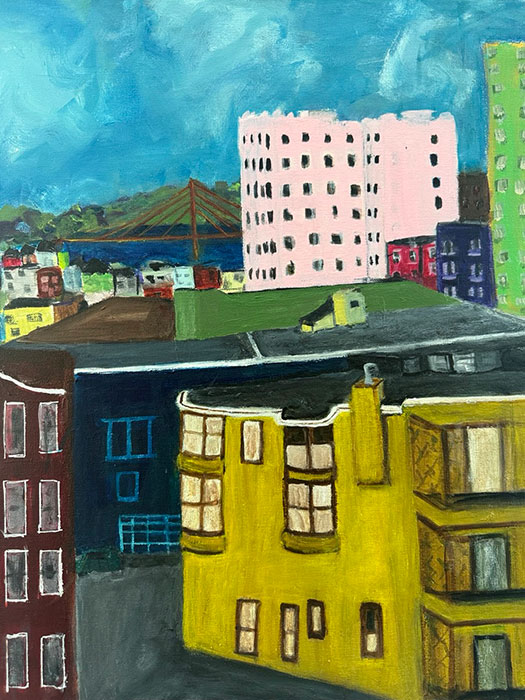
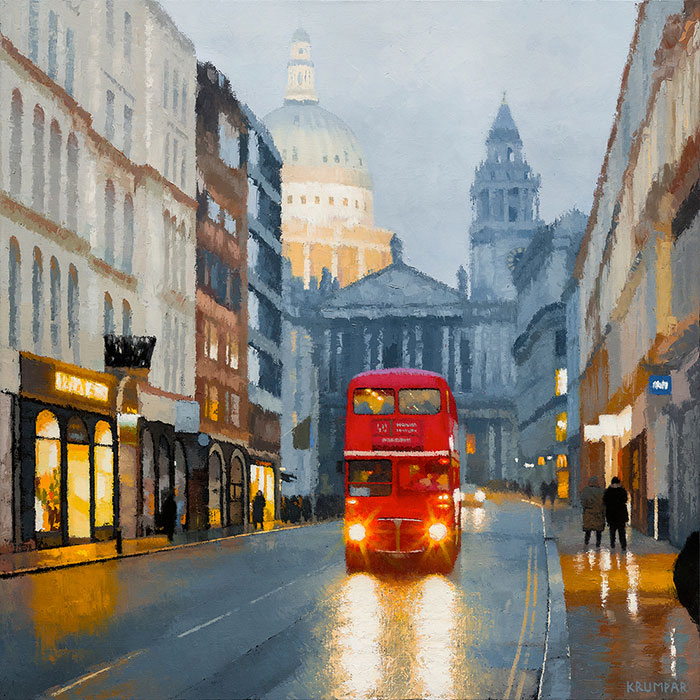
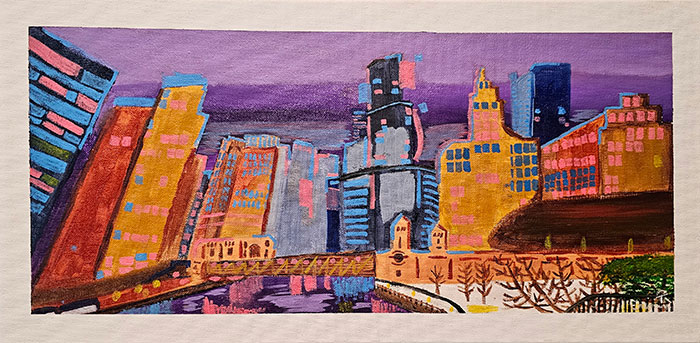
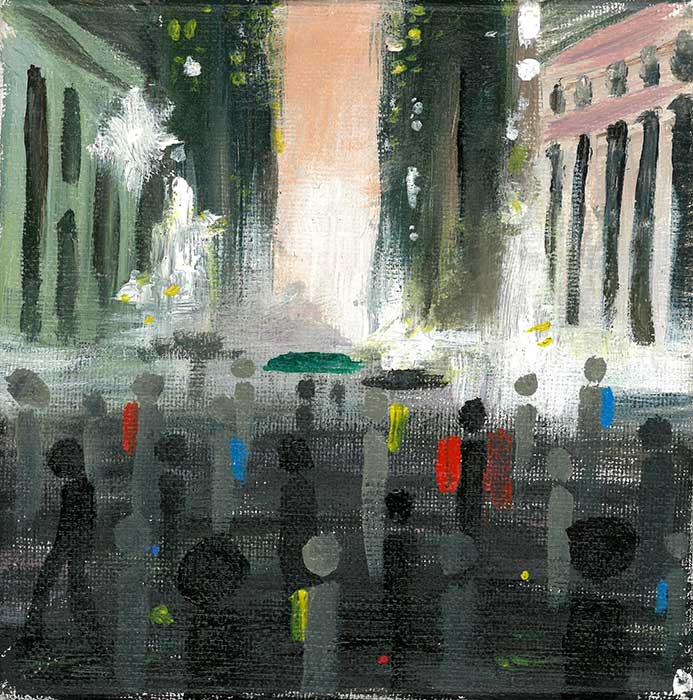
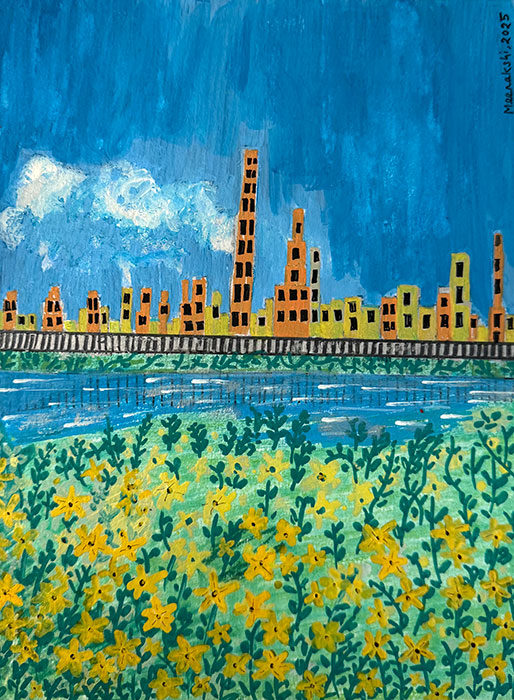
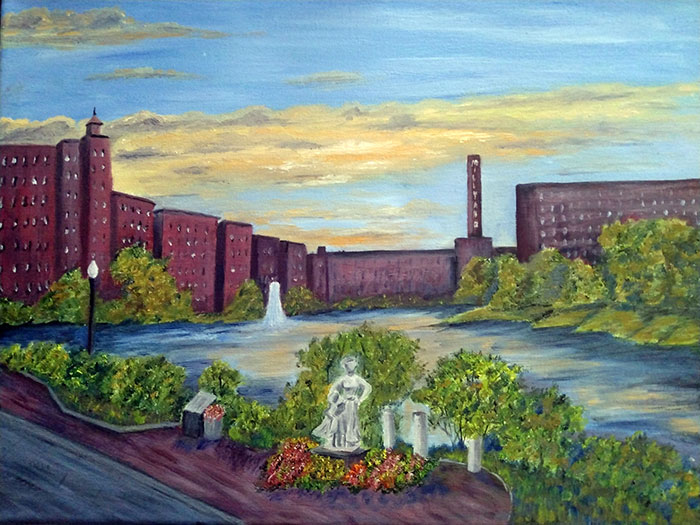
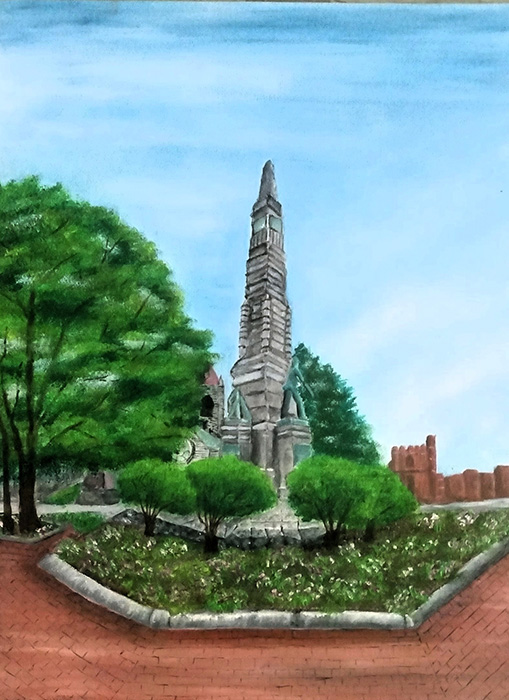
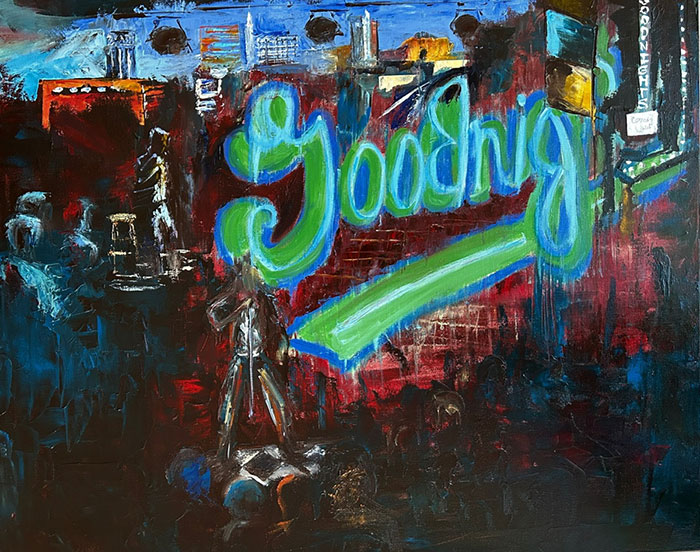
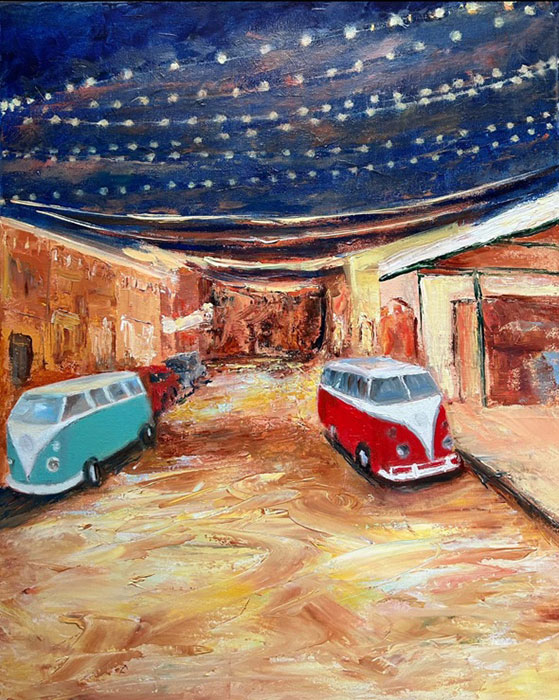
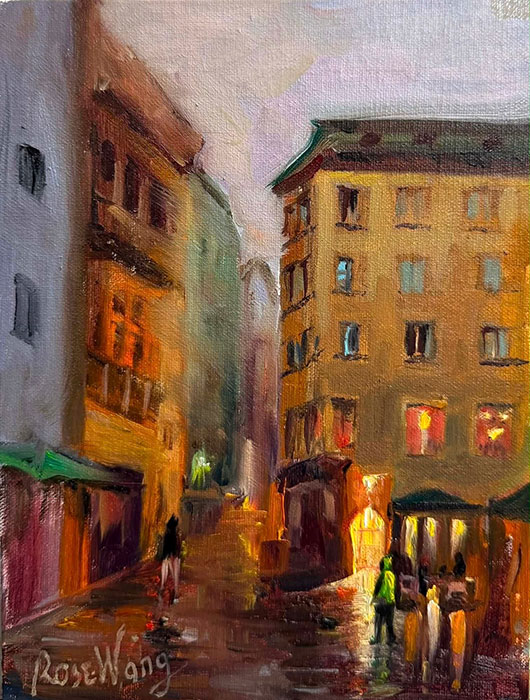
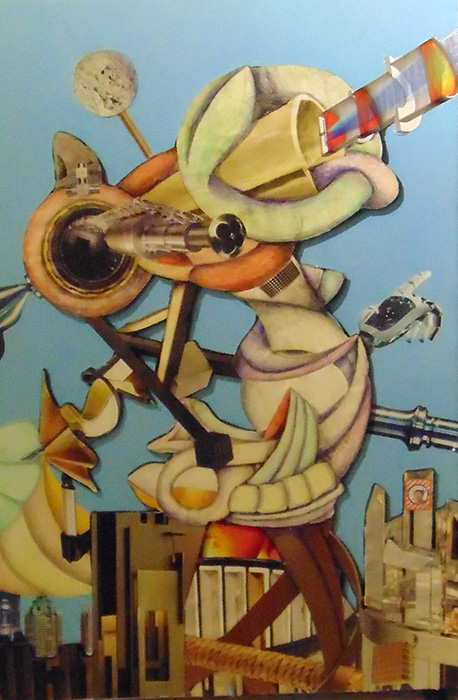
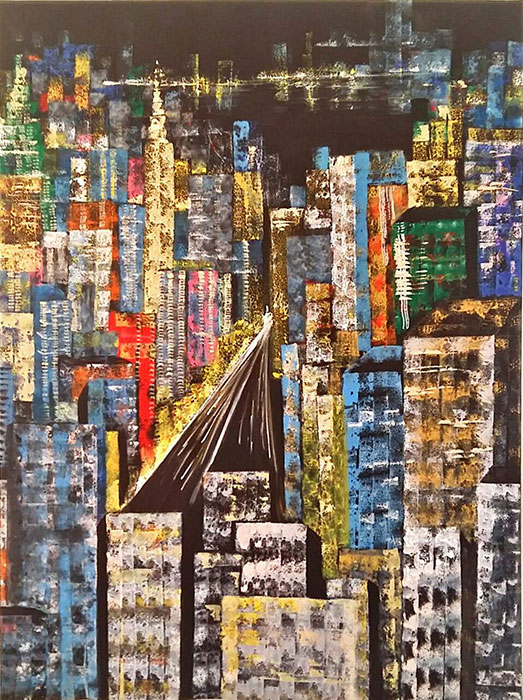
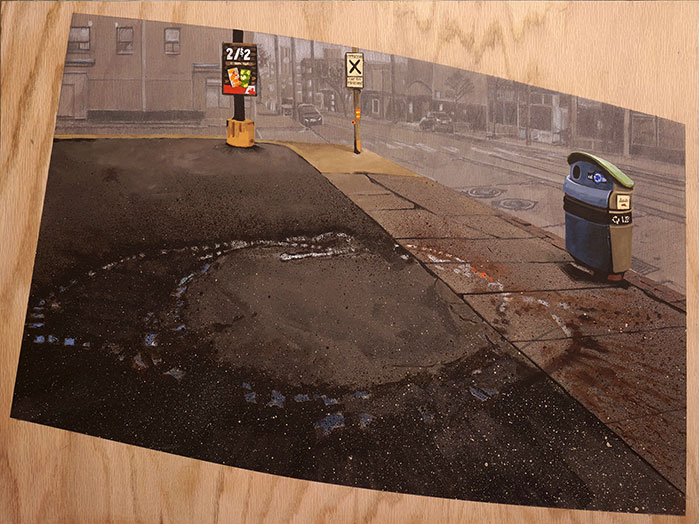
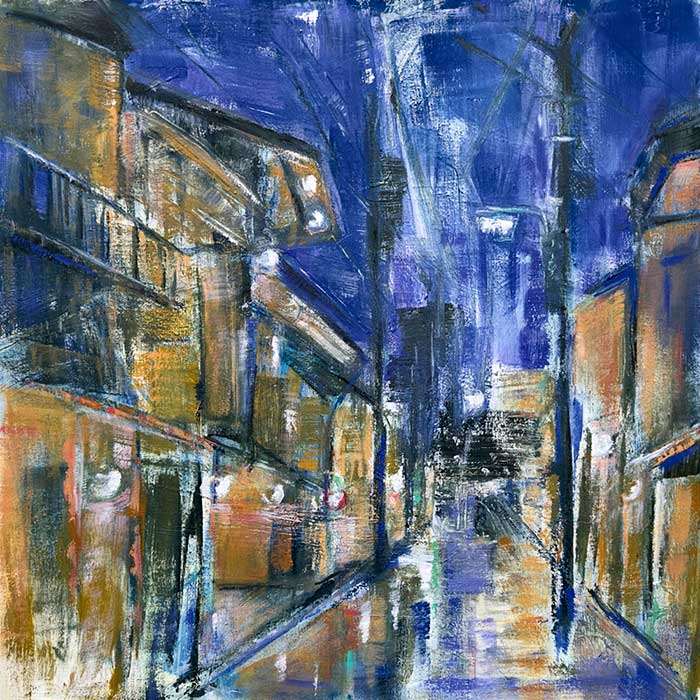
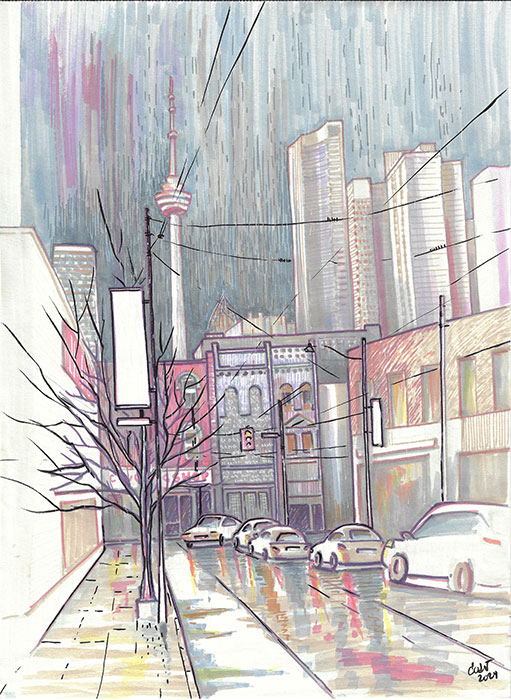
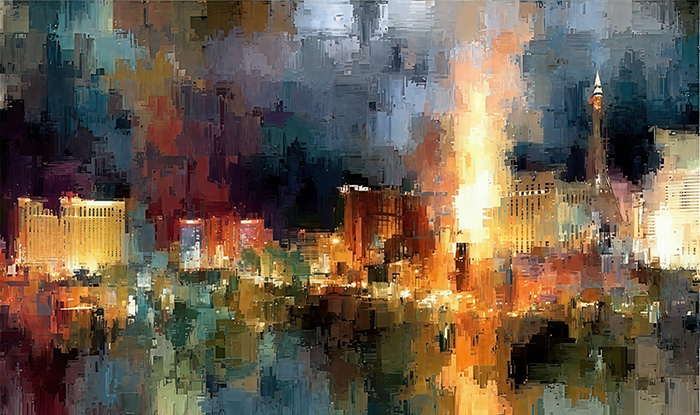
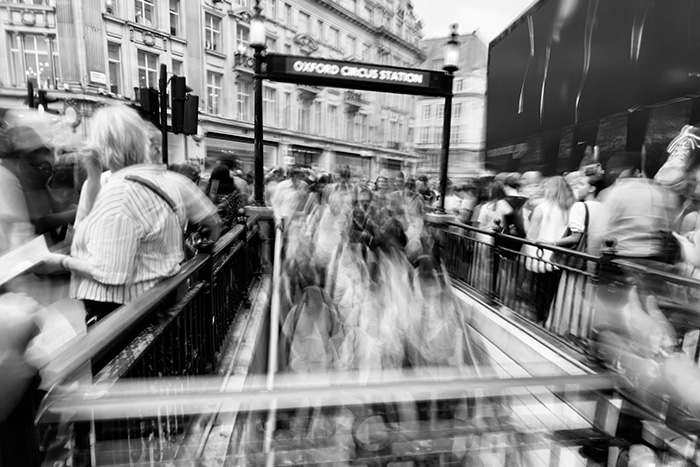
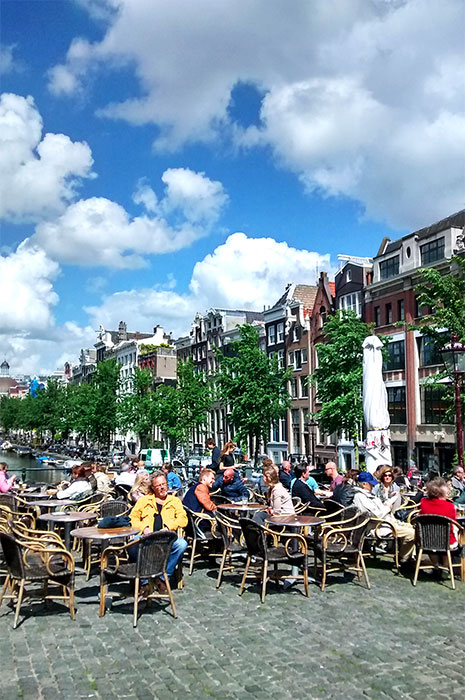
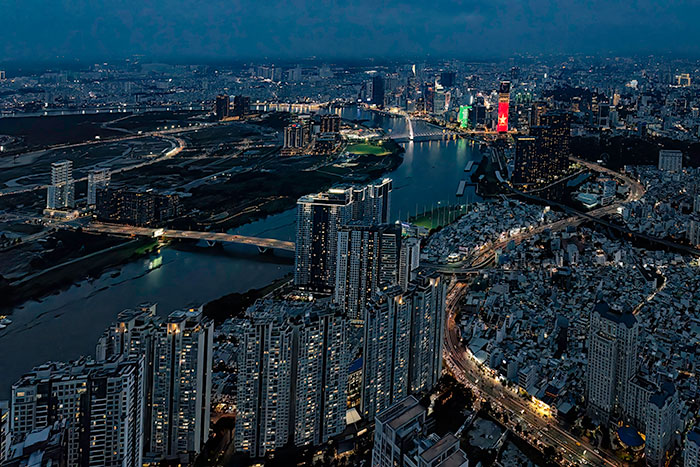
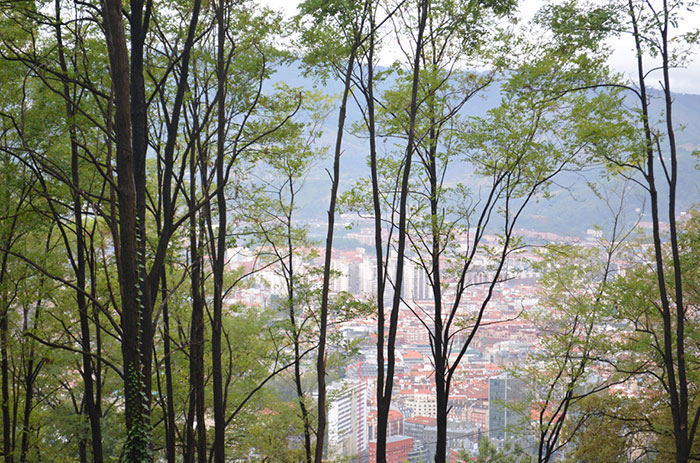
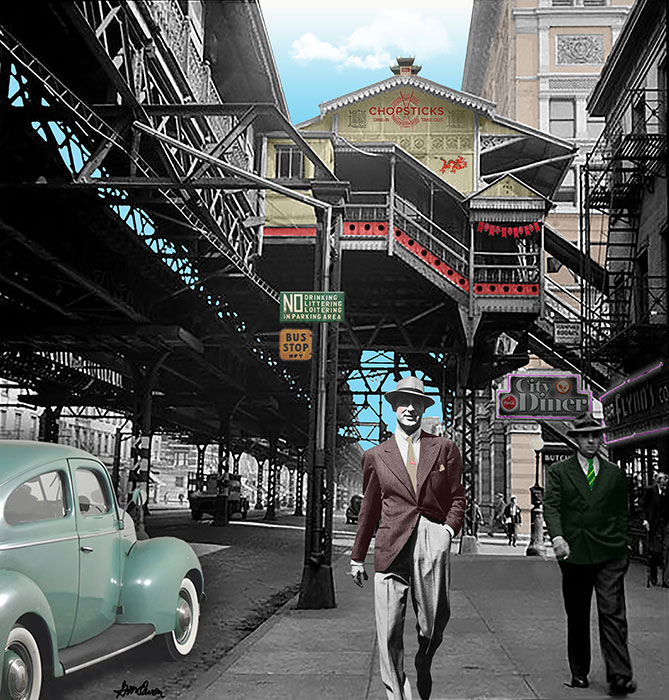
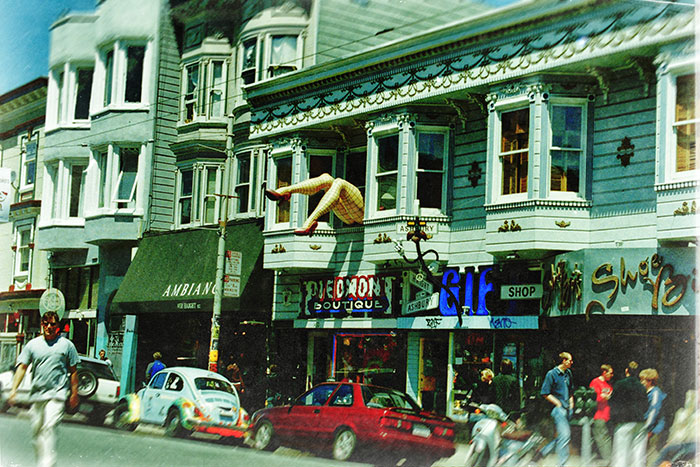
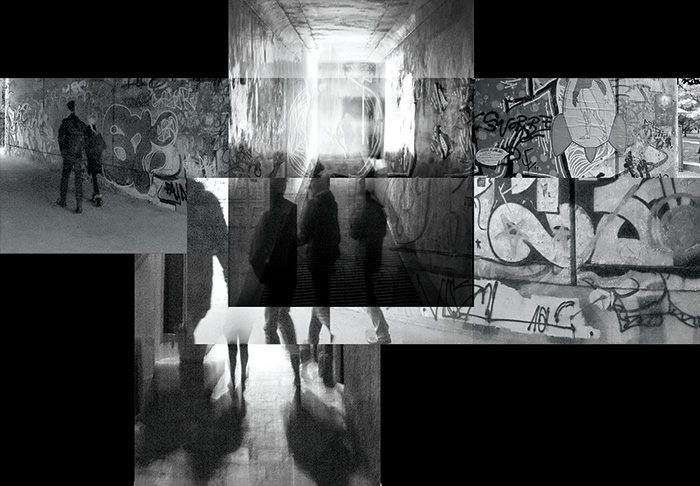
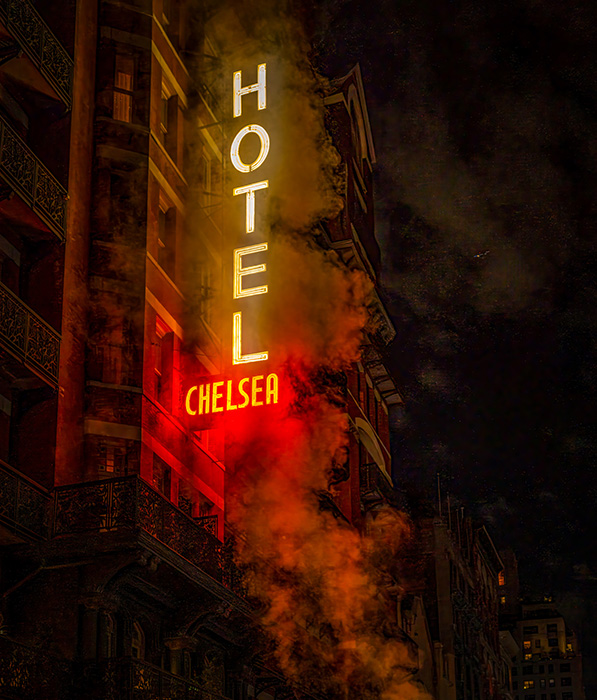
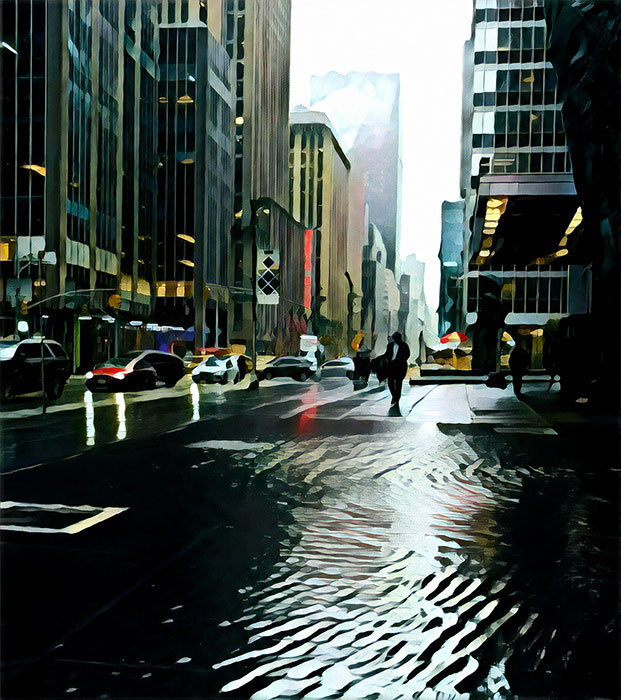
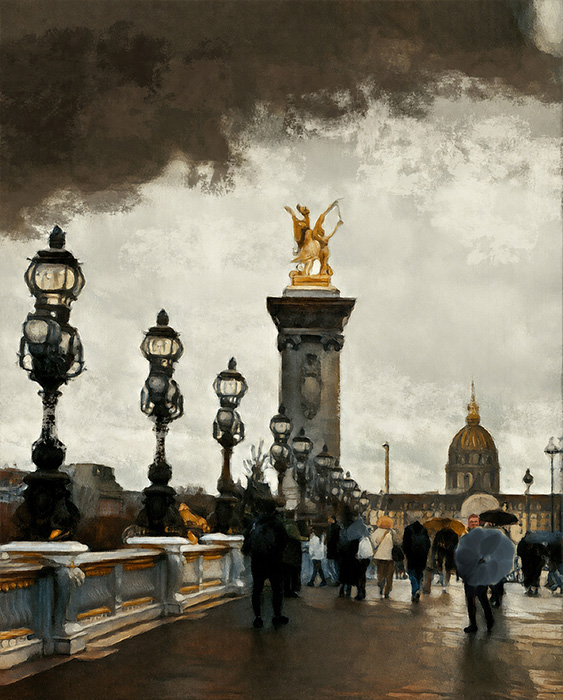
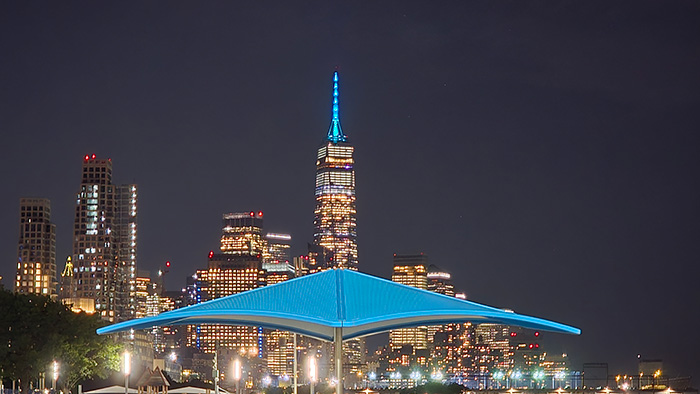
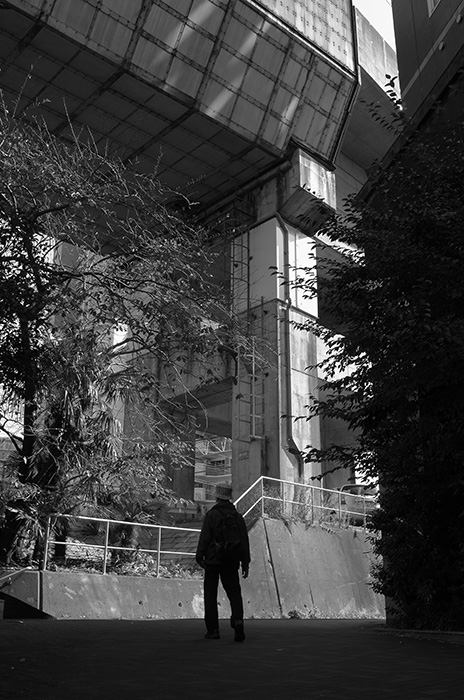
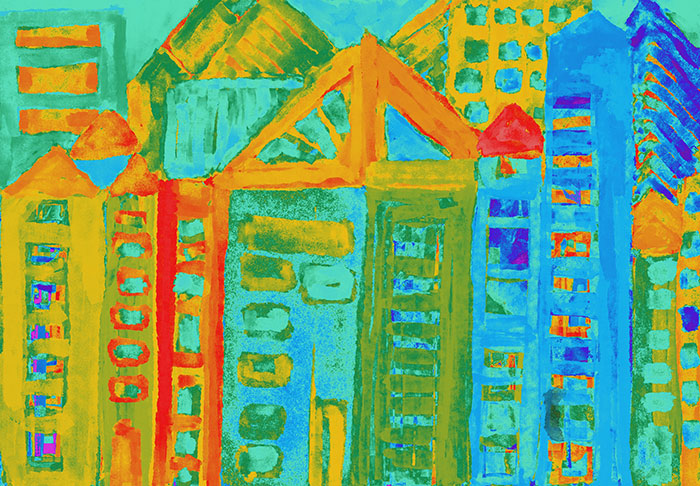
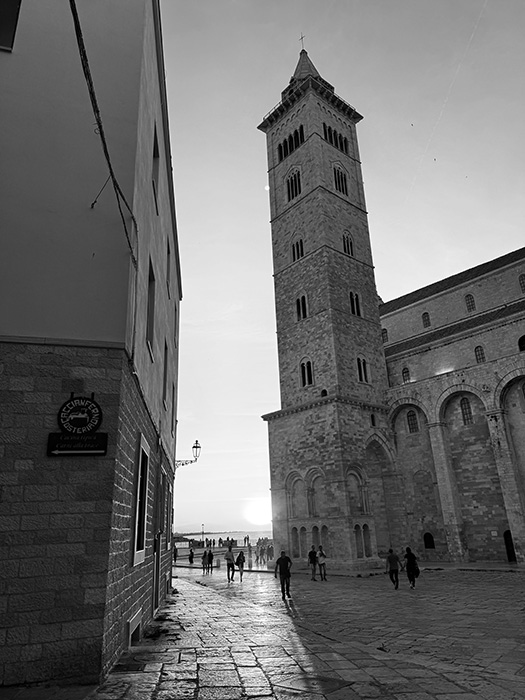
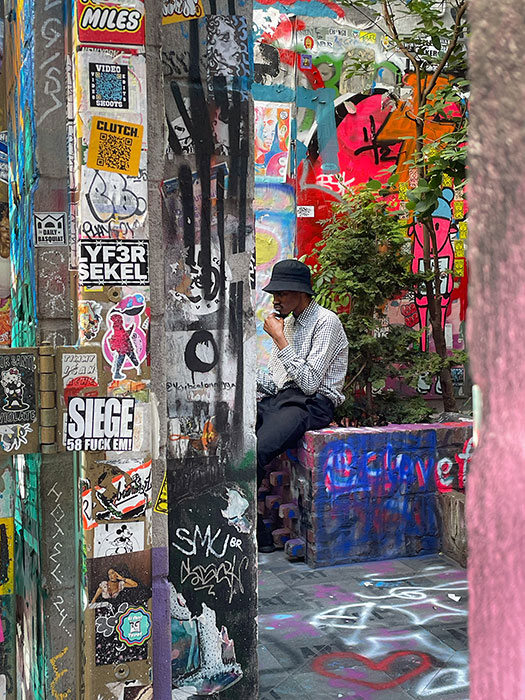
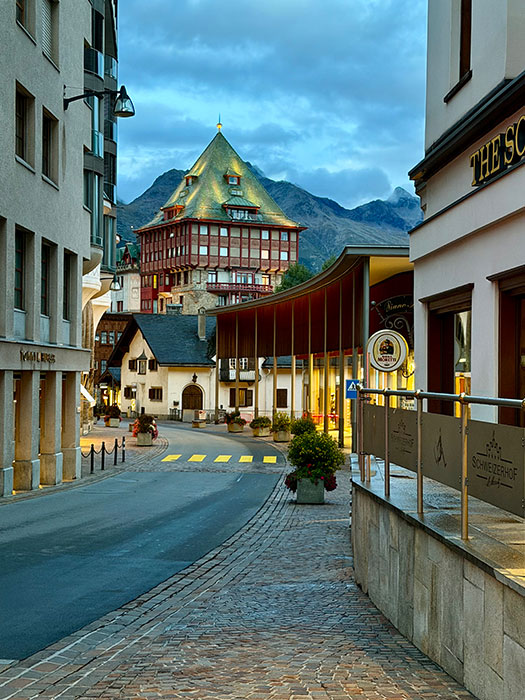
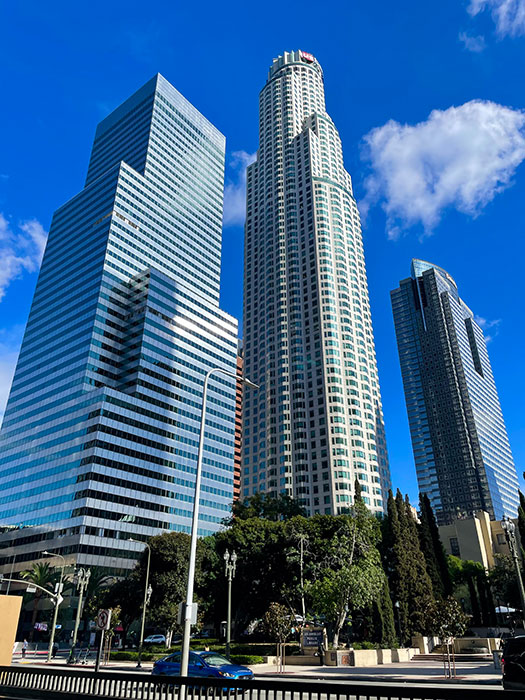
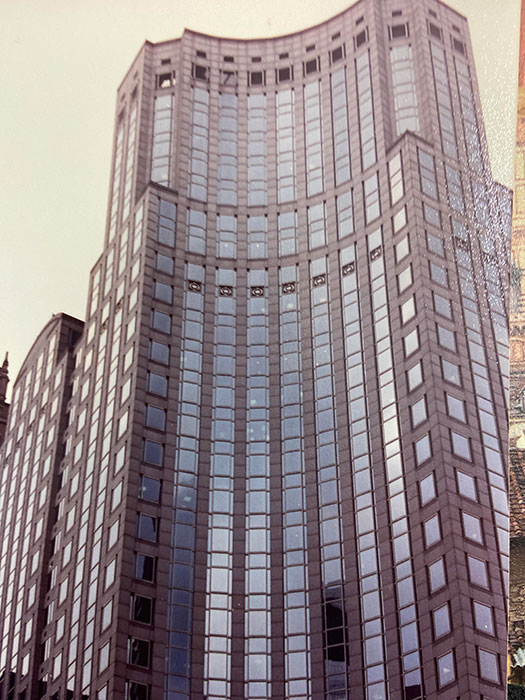
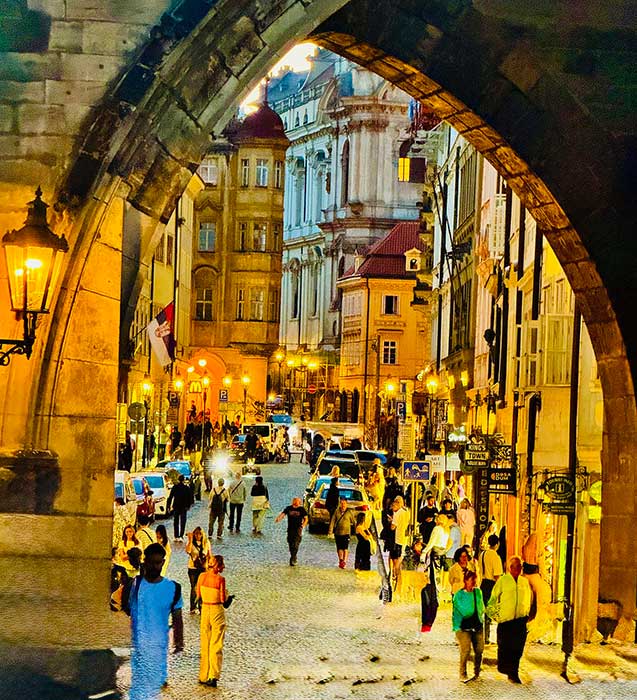
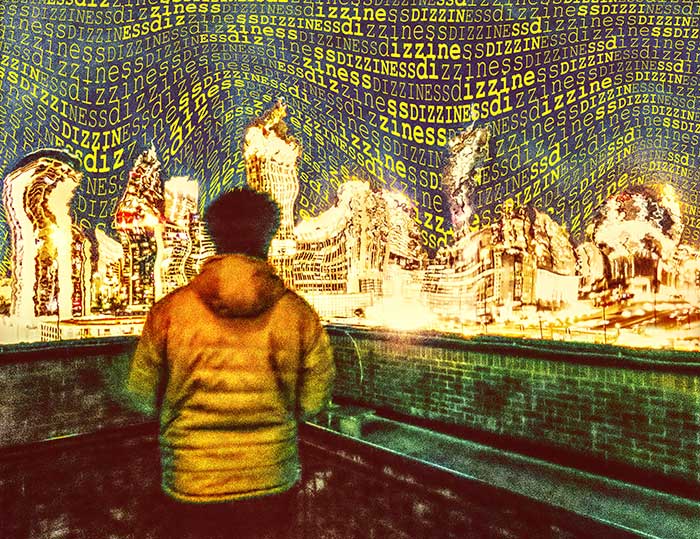
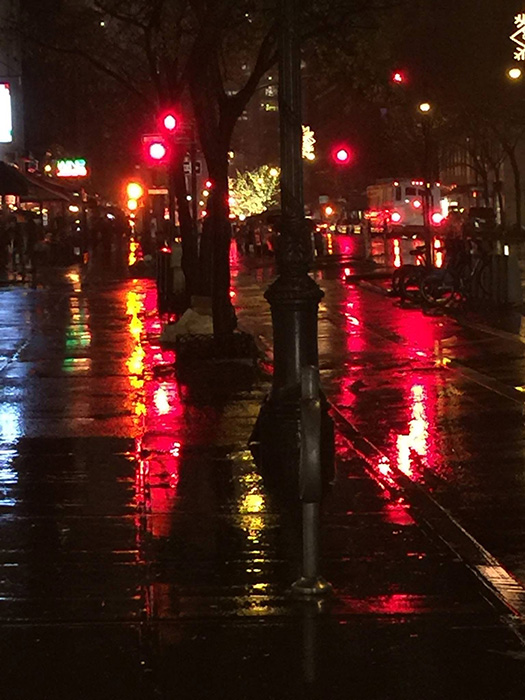
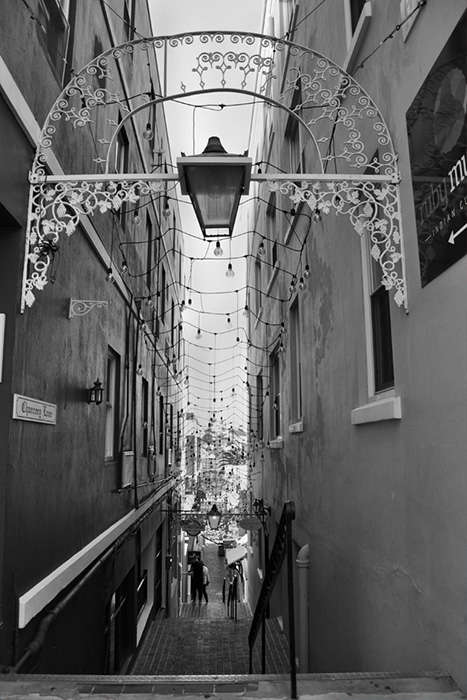
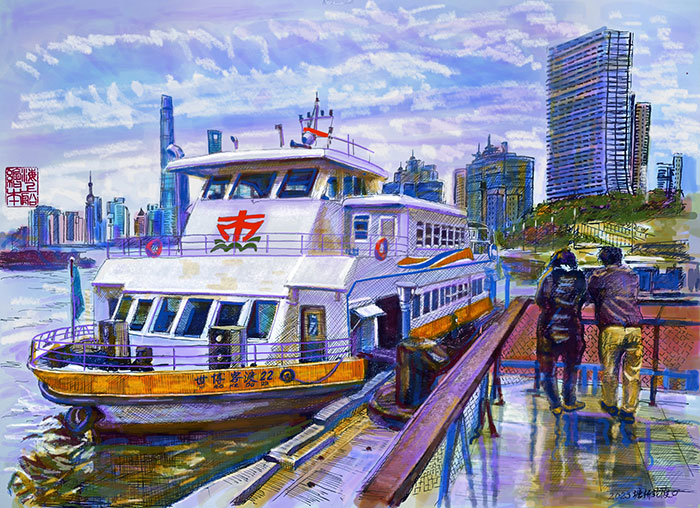
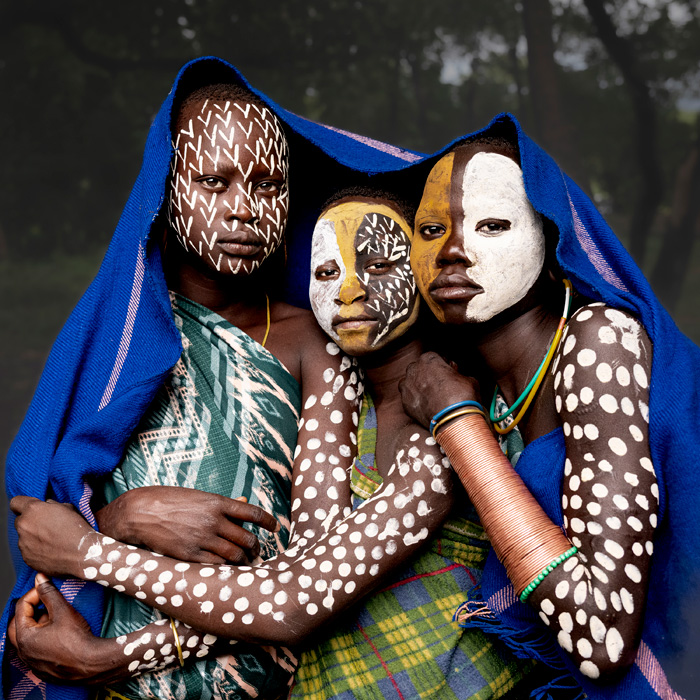
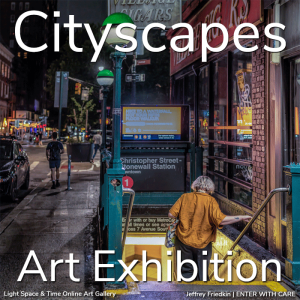 The gallery’s exhibition for September 2026 is the 16th Annual “Cityscapes” Online Art Competition. Both 2D and 3D, artists, from around the world, were asked for their interpretation of the “Cityscapes” theme by submitting their best representational and/or abstract art.
The gallery received 377 entries from 16 different countries from around the world, as well as from 22 different states and the District of Columbia.
The exhibition has been divided into two media categories - Painting & Other Media and Photography & Digital. Due to a limited number of entries in the 3 Dimensional category, those artworks have been included in the Painting and Other Media category. In addition, there is an overall Winning Artists Category, which is the “best of the best” and consists of the twelve (12) best entries comprised from all the media categories.
The gallery also included Special Merit awards and Special Recognition awards for outstanding art. Many of the artists in either of these groups could have easily been included in the upper tier of our winners, as their art was also exceptional.
All winning entries will now be featured on the Light Space & Time website homepage for the 3 months. Thereafter, the artworks and links to the artist’s websites will remain online in the Light Space & Time Archives for 5 years.
Congratulations to our artists who made our 16th Annual “Cityscapes” Art Exhibition so successful this month. At any time, we invite our winning artists and other interested visitors to link their websites to the Gallery’s archive page for further ongoing promotion. Scroll down the page to each section to see the artists accepted into the exhibition.
Overall Top 12 Winning Artists & Artworks
Click the Thumbnail to See the Artwork in a Lightbox
Top 20 Painting & Other Media Artists
Click the Thumbnail to See the Artwork in a Lightbox
Top 20 Photography & Digital Artists
Click the Thumbnail to See the Artwork in a Lightbox
Painting & Other Media Special Merit Artists
Click the Thumbnail to See the Artwork in a Lightbox
Photography & Digital Special Merit Artists
Click the Thumbnail to See the Artwork in a Lightbox
Painting & Other Media Special Recognition Artists
Click the Thumbnail to See the Artwork in a Lightbox
Photography & Digital Special Recognition Artists
Click the Thumbnail to See the Artwork in a Lightbox
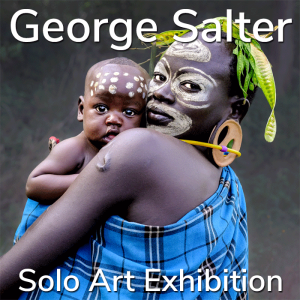 Light Space & Time Online Art Gallery is proud to announce that George Salter has been selected as one of four winners in Light Space & Time Online Art Gallery's 33rd "Solo Art Series" Art Competition. George’s month-long solo art exhibition will be featured on the gallery’s website, YouTube channel, and in the “Solo Art Series” Archive.
George’s is an internationally acclaimed, award-winning photographer based in Rhode Island, USA. The gallery will now promote him with an extensive online public relations campaign.
Promotion of George’s solo exhibition will include the distribution of press releases to hundreds of major news outlets. The Gallery will leverage Light Space & Time’s extensive social media network to promote George and his art.
George's work will also be showcased on the gallery's YouTube channel, and promoted via an event postcard, award ribbon, and certificate.
The “Solo Art Series” highlights the work of established artists, who have a body of work to showcase, through a series of online monthly solo exhibitions. Artist participants were asked to submit the following 3 components for the “Solo Art Series” competition: 1. Their art. 2. Their artist biography. 3. Their artist statement. A careful evaluation of the submissions led to the selection of four artists for month-long solo shows, ensuring a diverse range of artistic styles and approaches would be featured.
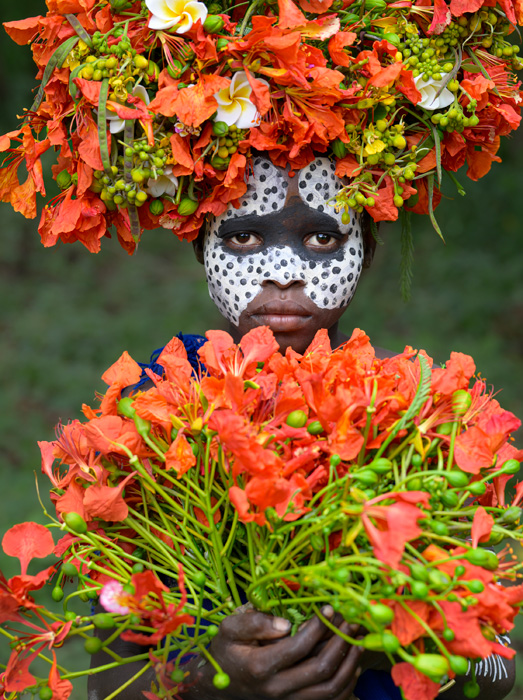
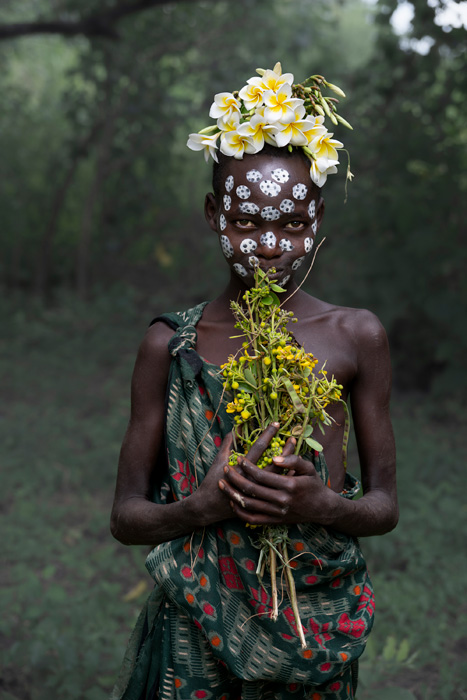
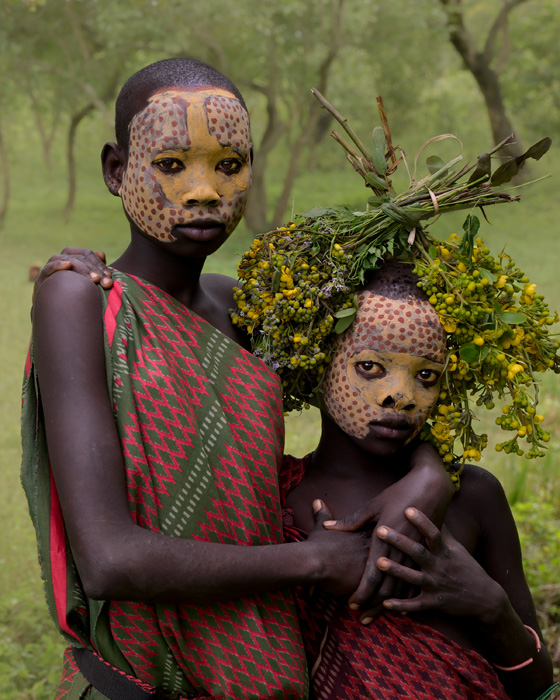
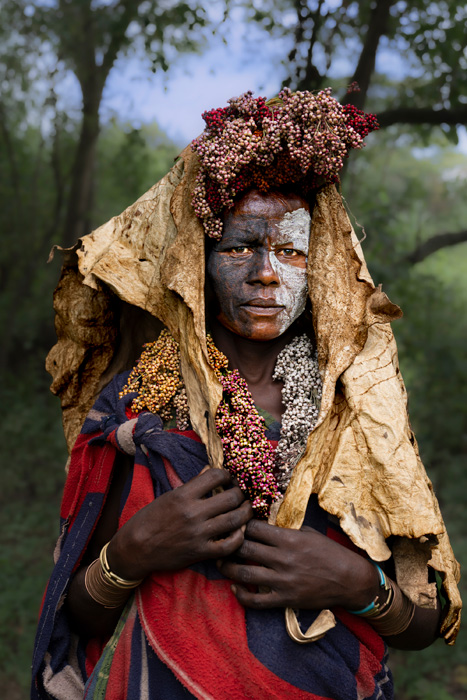
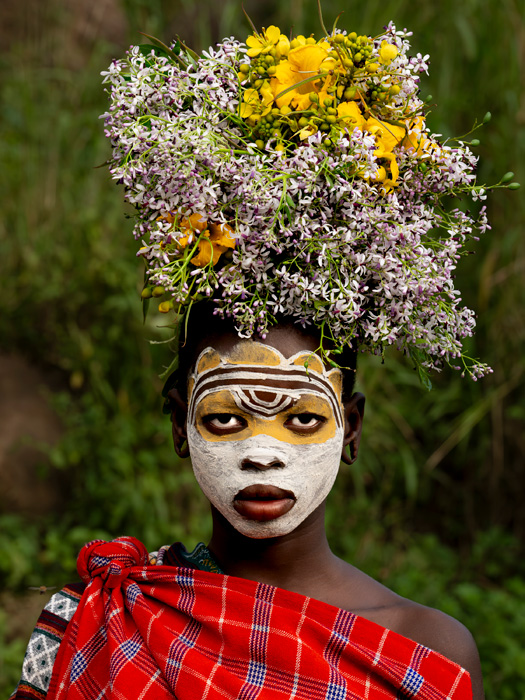
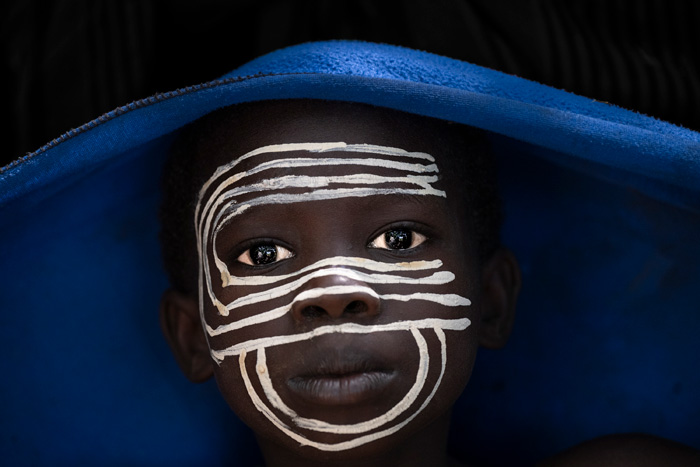
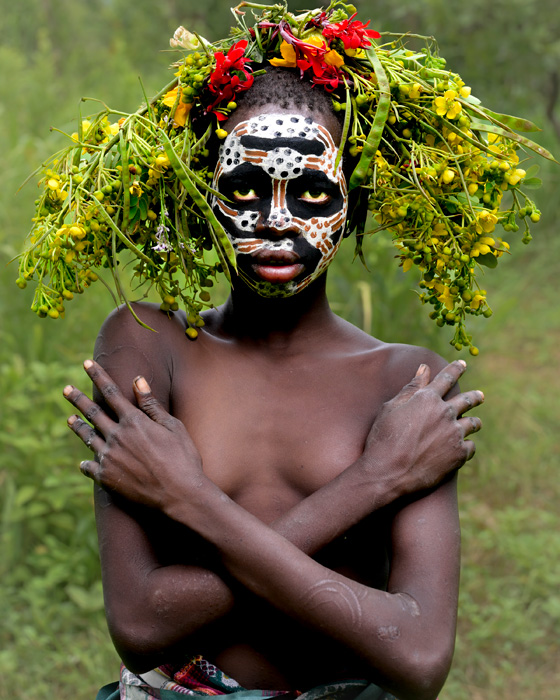
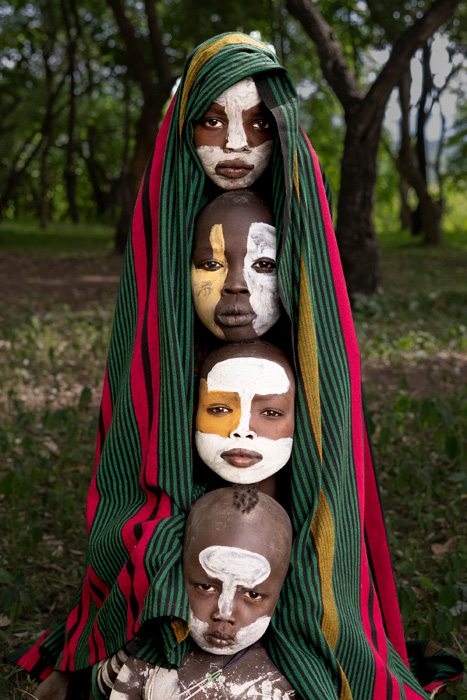
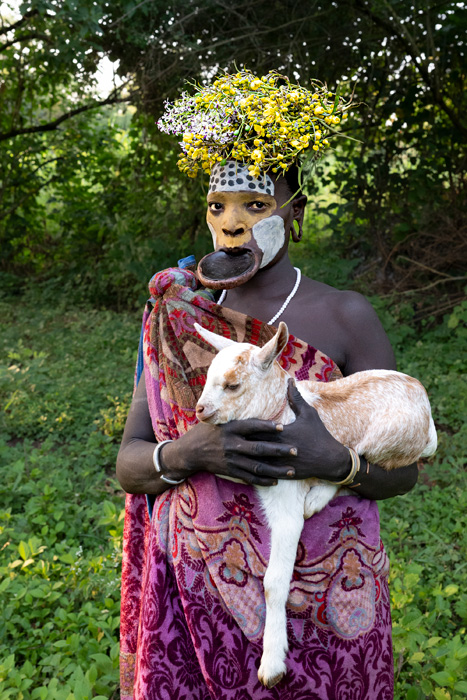
Presented below are George's artist biography and statement, together with 25 of his Omo Valley Collection photographs. All of the subjects are all members of the Suri Tribe. We encourage you to peruse his information and admire his art.
Over the past 45 years, George Salter's photography has added new layers to a lifelong fascination with beauty in unexpected places. Early in his career, light and shadow became a central preoccupation, with beauty revealing itself in the geometry and colors of architecture and marine vessels. Drawn to the lines, angles, and textures of architectural features, Salter transformed these details into subjects in their own right, elevating them beyond their role as fragments of a larger structure. This sensibility culminated in his first solo show, Architectural Abstracts, at the EG Photo Gallery in 1992.
Alongside this architectural work, Salter cultivated a parallel love for street photography, an art form long defined by capturing candid moments from a careful, unnoticed distance. That approach shifted fundamentally in 2024, during a trip to Bhutan, where photographing people without their permission is socially unacceptable. There, he began moving physically closer to his subjects — asking permission, building trust, and working collaboratively rather than covertly. As international photographer GMB Akash has observed, "getting close is hard. It asks for courage. It asks for connection. It asks for heart." In that closeness, Salter discovered something new: genuine personal connections with people willing to be vulnerable, to reveal something intimate, to share a fleeting moment of mutual understanding.
This shift redefined his practice. Salter's photographs now dwell in distinctly human territory — where eyes begin to speak and unwritten histories come to life. No longer simply a street photographer, he has become a street portrait photographer, traveling the globe in search of willing collaborators for thoughtful, considered portraits. This pursuit has led him to Cuba, Bolivia, the Philippines, Kenya, South Africa, Egypt, Russia, India, Bhutan, and Ethiopia, with travels to Indonesia and Papua New Guinea planned for 2026.
My street portraits are intended to be a celebration of different ethnicities around the world, sharing a glimpse into the way people relate to their surroundings through unique customs, foods, dress, music and art. Many ethnic groups are losing their unique identities, and I believe it is important to tell their stories now.
Faces tell stories. Meaningful portraits are collaborations between a subject and a photographer, with each contributing something essential. I photograph people who live in challenging places, where struggle is a fact of life, where joys and hardships are etched into each face. Eyes that reflect resilience are what I am trying to capture.
As a street portrait photographer, my attention is drawn to the individual. My approach is slow. I must break down barriers, alleviating fear and mistrust. I make eye contact, smile, and let the interaction develop naturally. I want to get to a moment of connection, of understanding, often without spoken language.
A portrait is successful when the precise moment of connection is captured in such a way that the viewer, too, can experience that moment.
To see more of George’s work, visit his website.
Click the Thumbnail to See the Artwork in a Lightbox